
The Hare and the Tortoise
1924
No user ratings available yet
Representation score: 0.5 out of 10
No Poster Available
Representation Score
Minimal
1926
PASSEDDirector
Paul Terry, Frank Moser
Runtime
7 minutes
Average Rating
No ratings yetNew Showbiz Analysis
Scrambled Eggs is a product of the silent animation era, prioritizing physical gags over complex identity-driven narratives. The film adheres to the established comedic clichés of 1926, which rarely engage with social hierarchies. The production lacks meaningful representation across most modern metrics. It relies on traditional archetypes and homogeneous character designs typical of the period's animation industry. Ultimately, the film functions as a standard comedic short that reinforces, rather than challenges, the social norms of its time.
Category Breakdown
The film does not depict any characters with non-traditional gender identities or same-sex relationships. The focus on slapstick humor leaves no room for exploring queer identities.
The characters seem to follow traditional gender roles of the 1920s. Female characters do not have significant roles in driving the story and do not challenge typical comedic stereotypes.
The animation likely reflects the homogeneous casting practices of early 20th-century America. There is no indication of diverse ethnic representation or casting actors of different backgrounds.
As an Aesop fable, the film emphasizes conventional morality and social order. It avoids challenging Western institutions or exploring moral relativism.
There is no information about the portrayal of neurodivergence or physical disabilities. No characters with disabilities are mentioned in the narrative.
Present on Screen
Limited or Absent
Official Synopsis
Aesop Fable
1924
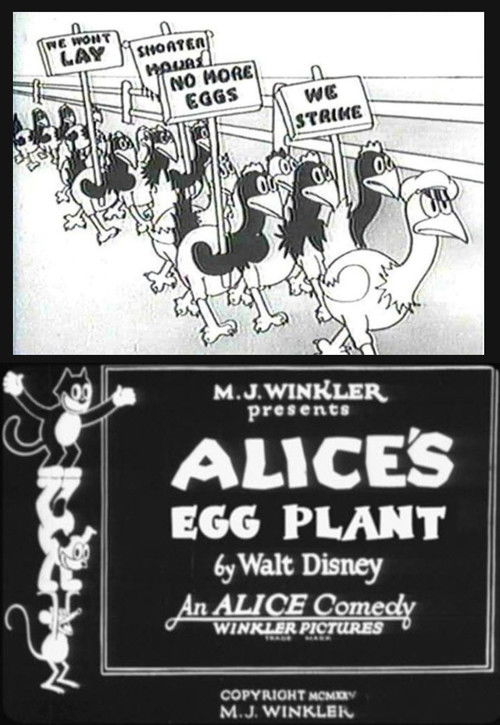
1925

1933
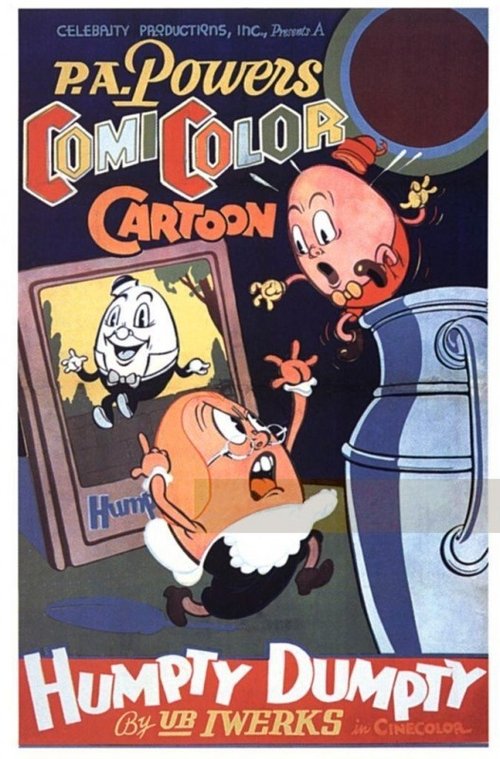
1935
1926
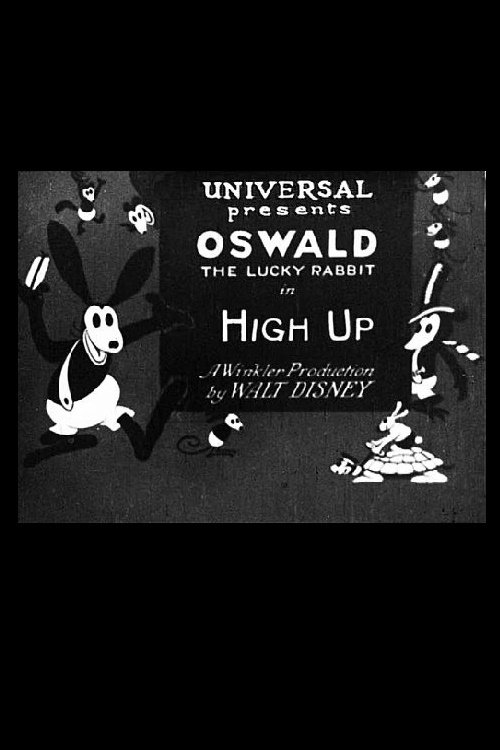
1928

1932
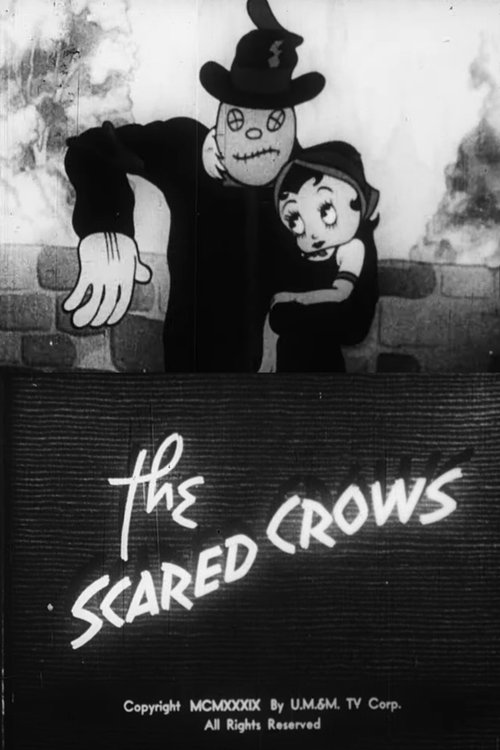
1939
No reviews yet. Be the first to share your thoughts on this movie!
Use the rating form above to leave a star rating and optional review.