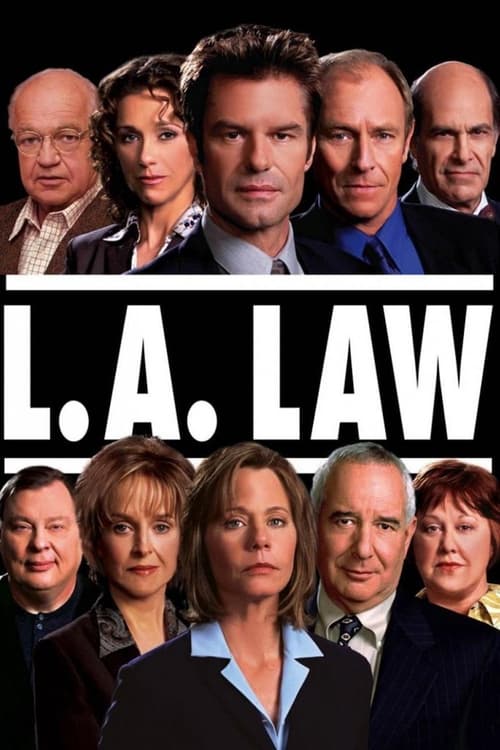
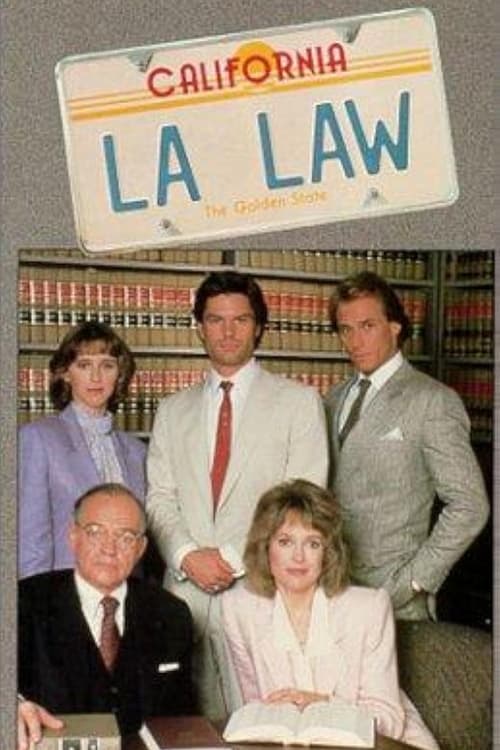
L.A. Law: The Movie
2002
No user ratings available yet
Representation score: 6.0 out of 10
Representation Score
Good
1986
TV-PGRuntime
97 minutes
Average Rating
No ratings yetNew Showbiz Analysis
The pilot breaks mid-1980s television norms by integrating diverse ethnic backgrounds into high-status professional roles. This casting choice reflects a more inclusive, metropolitan Los Angeles rather than an Anglo-centric landscape. While the show excels in racial integration and professional gender parity, it remains limited in other areas. LGBTQ+ representation is absent, and disability is used as a narrative catalyst rather than a character study. Ultimately, the work functions as a transitional piece. It moves away from conservative broadcasting standards by prioritizing moral ambiguity and a multifaceted ensemble cast.
Category Breakdown
The pilot follows a traditional framework that assumes everyone is straight and cisgender. It doesn't include any clear depictions of LGBTQ+ identities or same-sex relationships, focusing instead on typical marital conflicts.
Women are shown with strong professional roles and intellectual capabilities in high-stress legal environments. However, the show highlights systemic power imbalances through Abby Perkins' abusive relationship.
The ensemble avoids the typical homogeneity of 1980s dramas by featuring a multi-ethnic professional class. Victor Sifuentes adds a key perspective on ethnic diversity within the legal hierarchy.
The story explores moral relativism and the ethical complexities of the law. It deconstructs institutional perfection by highlighting the personal failings and compromises of its members.
Representation of disability is limited and mainly serves as a plot device. The mention of leukemia in a victim is used to heighten legal stakes rather than explore the lived experience.
Present on Screen
Limited or Absent
Official Synopsis
Pilot episode for the TV series introduces the lawyers and employees of McKenzie, Brackman, Chaney and Kuzak, a Los Angeles law firm, in dealing with their courtroom cases and personal matters out of the courthouse. While the entire office deals with the unexpected death of one of the founding senior partners, Norman Chaney, junior partner Michael Kuzak reluctantly takes on the defense of a wealthy and spoiled young man, accused with two friends, of raping a woman dying from leukemia. While intern Abby Perkins deals with her abusive alcoholic husband, divorce lawyer Arnie Becker takes advantage of his latest client caught up in her divorce. Public defender Victor Sifuentes is also offered to join the firm, while the ruthless managing partner, Douglas Brackman, deals with a surprising revelation from his new secretary.
2002

1985
1996
1993
1994
1993

1993
1991
No reviews yet. Be the first to share your thoughts on this movie!
Use the rating form above to leave a star rating and optional review.