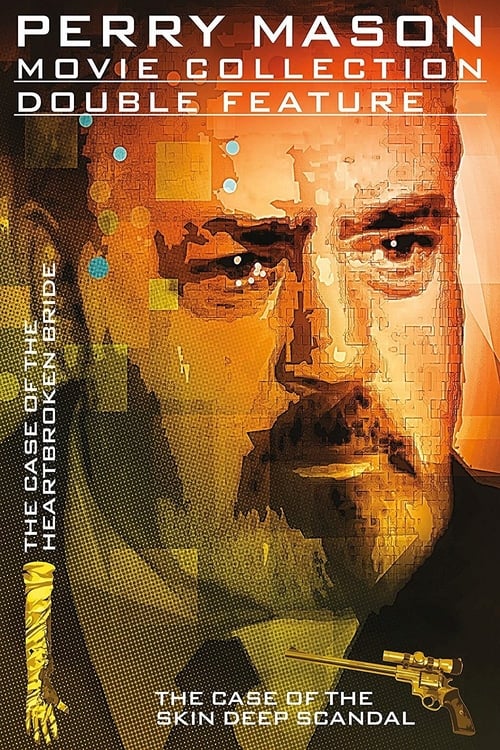
Perry Mason: The Case of the Heartbroken Bride
1992
No user ratings available yet
Representation score: 3.4 out of 10
Representation Score
Limited
1993
Director
Christian I. Nyby II
Runtime
96 minutes
Average Rating
No ratings yetNew Showbiz Analysis
The film operates as a traditionalist procedural, adhering to the mid-century mystery genre's reliance on established social hierarchies. It prioritizes conventional domestic clichés and a homogeneous social structure. While the plot centers on a group of women, their roles are tied to patriarchal dynamics and marital conflict. The narrative lacks significant disruption to historical norms or multi-layered identities. Ultimately, the work functions as a reinforcement of Western institutional stability, offering little representation of diverse racial, cultural, or LGBTQ+ perspectives.
Category Breakdown
The story focuses exclusively on heterosexual relationships and marriage. There is no presence of same-sex intimacy or non-binary gender identities.
While the plot features a web of female characters, their roles are defined by their relationships to men. The narrative relies on traditional clichés of marital instability and betrayal.
The production utilizes a largely homogeneous cast. There is no indication of significant racial blending or characters of color in key roles.
The film reinforces traditional Western institutions like the legal system. It prioritizes a procedural morality that seeks to restore social order through established channels.
The film provides no specific evidence regarding the inclusion or portrayal of characters with physical or neurodivergent disabilities.
Present on Screen
Limited or Absent
Official Synopsis
Anthony Caruso, an old friend of Perry Mason, comes to Denver on the request of Dee Morrison. She's married to famed photographer David Morrison, who wants to shoot a photo featuring his former models. The tricky thing is that all of his former models are also his former wives. But Dee knows Anthony can convince them to do it which he does. And David shoots them. Later Dee catches David it what appears to be in an inappropriate situation with his assistant. They have an argument and she leaves. Later David is found dead and she's arrested and Anthony defends her. And he suspects it could have been one of the wives
1992
1985
1993
1992
1987
1987
1993
1990
No reviews yet. Be the first to share your thoughts on this movie!
Use the rating form above to leave a star rating and optional review.