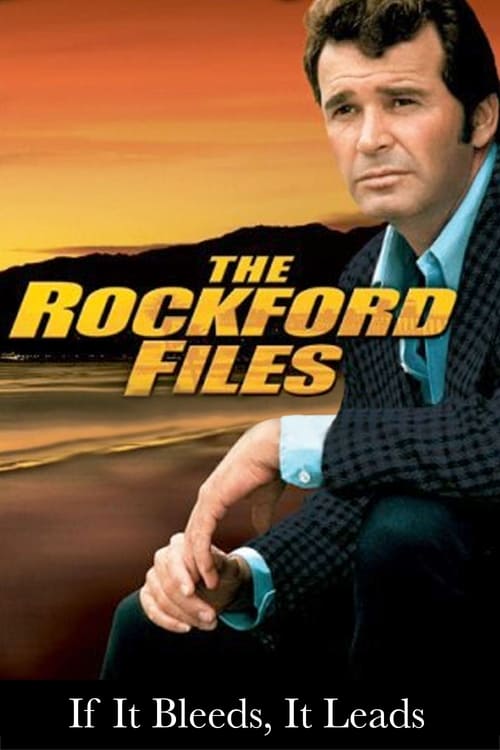
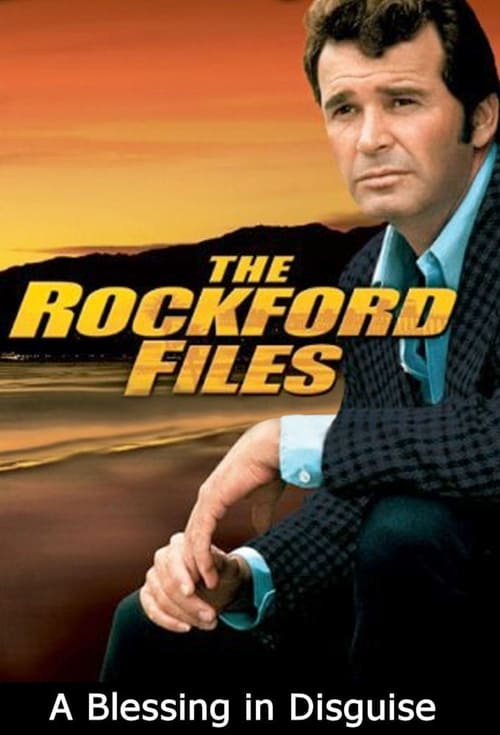
The Rockford Files: If It Bleeds... It Leads
1999
No user ratings available yet
Representation score: 3.1 out of 10

Representation Score
Fair
1994
TV-PGDirector
James Whitmore Jr.
Runtime
120 minutes
Average Rating
No ratings yetNew Showbiz Analysis
The film adheres to mid-1990s television clichés, emphasizing character-driven mysteries over social disruption. It relies on established genre conventions without implementing progressive thematic shifts. While Kit provides a model of professional female competence, the narrative lacks multi-layered complexity and diverse identity representation. The focus on wealthy, high-status demographics suggests a reliance on homogeneous storytelling patterns.
Category Breakdown
The film centers on traditional relationships between the protagonist and his ex-wife, with no clear representation of LGBTQ+ identities or critiques of the assumption that everyone is straight or cisgender.
Kit, a lawyer, demonstrates professional competence and intelligence. However, the central conflict revolves around masculine archetypes of investigation and protection.
The story focuses on a wealthy socialite and her children, which aligns with homogeneous Western structures. The narrative follows conventional genre patterns of the time.
The story operates within established crime mystery conventions and traditional Western institutional frameworks. It explores individual culpability and mystery resolution in a standard manner.
There are no specific characters with visible or invisible disabilities in the film. While the original series featured a physically vulnerable protagonist, such details are not confirmed here.
Present on Screen
Limited or Absent
Official Synopsis
Detective Jim Rockford works to uncover facts of the death of a wealthy socialite whose two grown children are accused of murdering her. Complicating matters are Rockford's omnipresent "friend" Angel, and Rockford's ex-wife Kit, a lawyer who represents the children.
1999

2023
2009
1996
1997
1995

2006

1983
No reviews yet. Be the first to share your thoughts on this movie!
Use the rating form above to leave a star rating and optional review.