
Pushover
1954
No user ratings available yet
Representation score: 1.7 out of 10
Representation Score
Minimal
1951
ApprovedDirector
John Sturges
Runtime
78 minutes
Average Rating
No ratings yetNew Showbiz Analysis
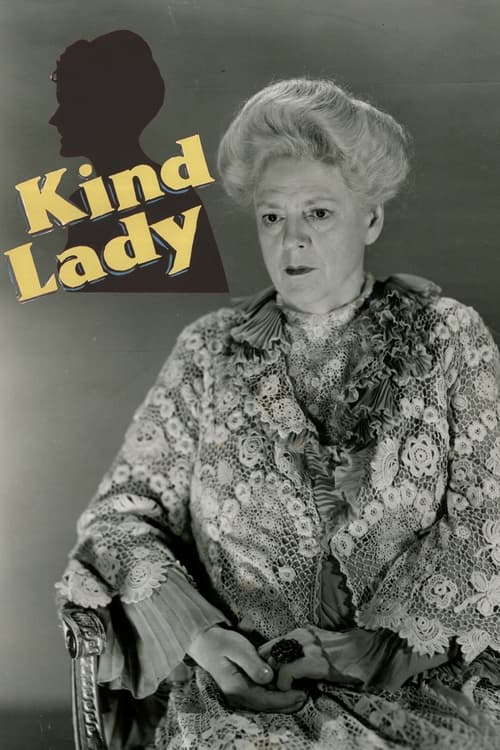
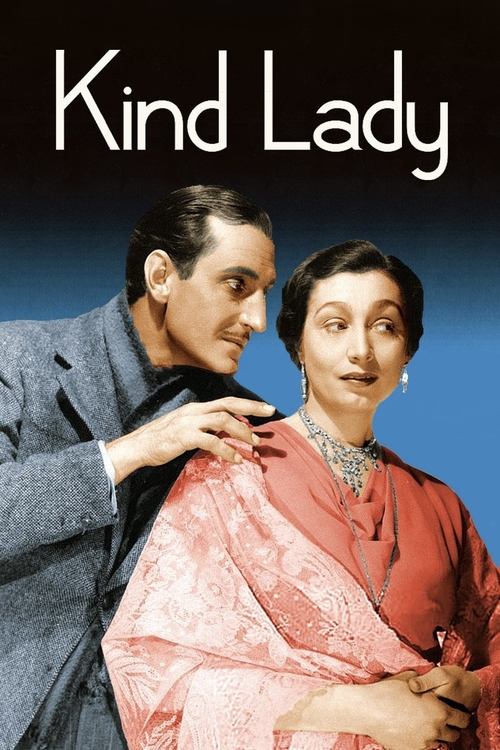
Kind Lady is a psychological noir that prioritizes character study over social commentary. While it lacks modern multi-layered representation, it offers a sophisticated look at power dynamics through its female lead. The film is a product of its era, adhering to the demographic and social standards of 1951. It focuses on the tension between hospitality and deception rather than challenging institutional structures. Ultimately, the film succeeds as a suspenseful character study but remains limited by the monolithic racial and social landscape of its time.
Category Breakdown
The film operates within a strictly straight-centered framework. There are no visible LGBTQ+ characters or explorations of queer intimacy.
The narrative centers on a female protagonist who plays a significant role in driving the story. She challenges traditional gender clichés by exerting intellectual and situational dominance over male characters.
The cast is primarily white, reflecting the demographic homogeneity of the early 1950s. There is no evidence of non-Anglo-Saxon characters.
The film focuses on individual morality and social trust rather than systemic critique. It adheres to conventional suspense clichés within a traditional setting.
There are no characters depicted with visible or invisible disabilities. No narrative arcs utilize disability as a thematic device.
Present on Screen
Limited or Absent
Official Synopsis
Mary Herries has a passion for art and fine furniture. Even though she is getting on in years, she enjoys being around these priceless articles. One day she meets a strange young painter named Elcott, who uses his painting skill to enter into her life. Little does she expect that his only interest in Mary is to covet everything she has.
1954

1945
1946

1955
1935
1952

1951
1949
No reviews yet. Be the first to share your thoughts on this movie!
Use the rating form above to leave a star rating and optional review.