
Amazonas, Amazonas
1966
No user ratings available yet
Representation score: 5.8 out of 10
Representation Score
Limited
1981
Director
Jorge Bodanzky, Wolf Gauer
Runtime
94 minutes
Average Rating
No ratings yetNew Showbiz Analysis
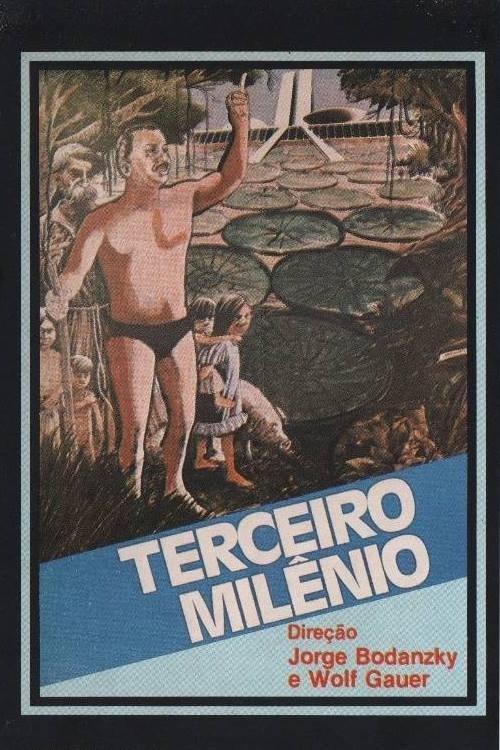
Terceiro Milênio serves as a vital ethnographic document that prioritizes the voices of underrepresented communities over centralized state narratives. Its primary value lies in its post-colonial lens, which highlights the tension between state-driven modernization and indigenous autonomy. The film's strength is its commitment to documenting the impact of capitalist expansion and systemic corruption on underrepresented ethnic groups. It goes beyond simple observation to offer a sophisticated critique of traditional power dynamics in the Amazon. However, the film remains a product of its era, lacking engagement with contemporary identity-based narratives. It reflects the social stratification of the 1980s without challenging gender or sexual identity norms.
Category Breakdown
The film does not include any LGBTQ+ characters or narratives. It focuses on observing existing social structures rather than exploring sexual identities.
The documentary reflects the traditional gender hierarchies of 1980s Brazil. While it offers a platform for various voices, it does not explicitly challenge masculine leadership or promote non-traditional roles.
The film excels by highlighting the Ticunas and Maiuruna peoples. It challenges explorer clichés by presenting a nuanced view of indigenous ability to act and the pressures from state institutions.
The narrative challenges Western-centric models of progress by criticizing industrialization and policy corruption. It prioritizes the lived experiences of local communities over idealized national development stories.
There is no specific evidence regarding the portrayal of visible or invisible disabilities within the documentary's socioeconomic documentation.
Present on Screen
Limited or Absent
Official Synopsis
August, 1980. Evandro Carreira, a Brazilian senator leaves his party's office in Manaus to visit his constituents in the state of Amazonas. Interviews with farmhands, loggers, explorer Paulo Lucena, Brazilian and Peruvian Indians and a representative of the National Indian Foundation (Funai) were recorded from the city of Benjamin Constant to the village of Cavalo Cocho. A visit to the indigenous village of the Ticunas and the lands of the Maiuruna people culminate with an interview and the actions of José Francisco da Cruz, a member of the Order of the Holy Cross. Throughout the trip, the economic potential of the Amazon and its problems (corruption in the indigenous policies and the pollution produced by factories) are shown.
1966

2018

1982

2006

2021
1971
2018

2016
No reviews yet. Be the first to share your thoughts on this movie!
Use the rating form above to leave a star rating and optional review.