
Vampire
2011
No user ratings available yet
Representation score: 5.3 out of 10
Representation Score
Excellent
2015
Director
Im Sang-soo
Runtime
18 minutes
Average Rating
No ratings yetNew Showbiz Analysis
Im Sang-soo’s film is a sophisticated deconstruction of the supernatural genre. By shifting focus from horror to social critique, it challenges conventional expectations of both genre and social order. The film effectively uses the vampire mythos to explore themes of isolation and systemic friction. It prioritizes subjective identity and the breakdown of traditional binaries over established institutional norms. While the film provides rich metaphorical layers related to disability and gender, it remains culturally specific to South Korea, limiting its broader ethnic representation.
Category Breakdown
The film uses vampire mythology to explore relationships that exist outside traditional norms. It challenges expectations by focusing on a bond that doesn't follow typical social or biological rules.
The female lead challenges traditional power structures instead of following submissive roles. She often takes control away from the male protagonist, showing that power dynamics can shift and aren’t fixed.
As a South Korean production, the film focuses on local social dynamics. While it avoids global homogenization, it doesn’t blend multiple cultural backgrounds together as much as more diverse stories might.
The film critiques traditional institutions by presenting the vampire as isolated within a system. It emphasizes a secular, existentialist perspective over religious or patriotic morals.
The vampire condition is used as a metaphor for being chronically different and socially isolated. The film avoids sentimentality by highlighting the friction caused by the protagonist's unique needs.
Present on Screen
Limited or Absent
Official Synopsis
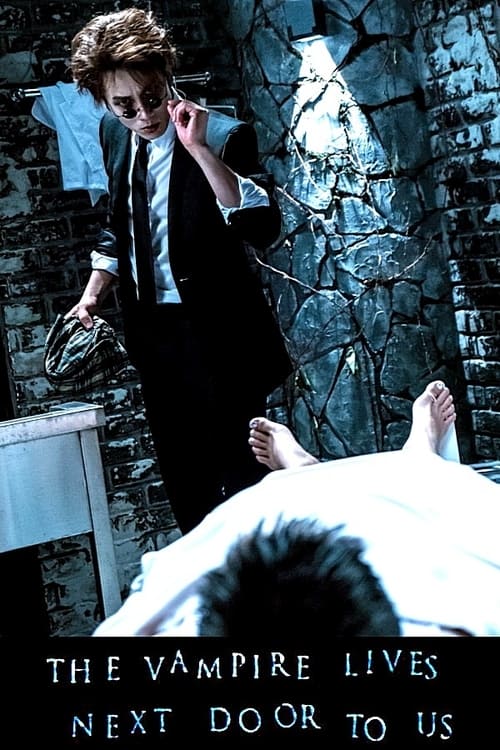
A vampire living in a morgue encounters a drowned girl whose fate may be entwined with his own.
2011
1999

2017
2012
2009

1978
2018

1995
No reviews yet. Be the first to share your thoughts on this movie!
Use the rating form above to leave a star rating and optional review.