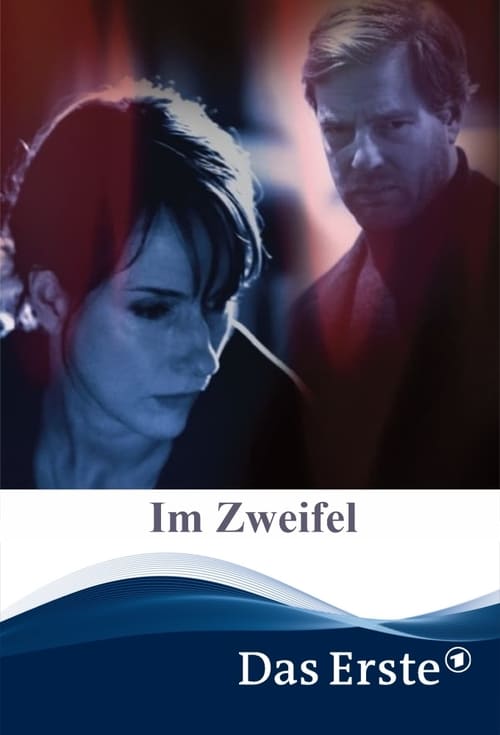
Im Zweifel
2016
No user ratings available yet
Representation score: 4.4 out of 10

Representation Score
Limited
2015
Director
Holger Haase
Runtime
93 minutes
Average Rating
No ratings yetNew Showbiz Analysis
Die Ungehorsame is a sophisticated historical reconstruction that emphasizes political action over typical period drama themes. By focusing on Louise Otto-Peters, the film shifts attention from traditional romance to the dismantling of patriarchal systems. The film stands out for its portrayal of women as active agents of social change and its critique of systemic oppression. It provides a nuanced view of how underrepresented groups navigate and challenge established power structures. While the film stays true to the demographic realities of its time, its narrative structure offers a modern perspective on early feminist thought and historical reinterpretation.
Category Breakdown
The film focuses on the socio-political struggles of the 19th-century women's movement. There are no LGBTQ+ characters or non-straight relationships portrayed.
The film highlights women's active roles in social change. Louise Otto-Peters is shown taking a leading role in driving the story forward.
The cast reflects the demographics of 19th-century Germany, which was relatively homogeneous. The film does not include actors from diverse backgrounds.
The film critiques 19th-century social hierarchies and institutions. It portrays the protagonist's defiance of authority as a fight for justice.
There are no prominent depictions of physical or cognitive disabilities that play a central role in the narrative.
Present on Screen
Limited or Absent
Official Synopsis
Alexander Keller is dead in the kitchen. Next to him is his wife Leonie, who called the police and confessed to the crime. Did she kill in cold blood, was it manslaughter or self-defense? Public defender Gottwald gets to the bottom of her client's story.
2016
2013

2021

2016

2016
2014

2024

1963
No reviews yet. Be the first to share your thoughts on this movie!
Use the rating form above to leave a star rating and optional review.