
Cyclo
1995
No user ratings available yet
Representation score: 7.6 out of 10
Representation Score
Limited
2003
UnratedDirector
Jafar Panahi
Runtime
96 minutes
Average Rating
No ratings yetNew Showbiz Analysis
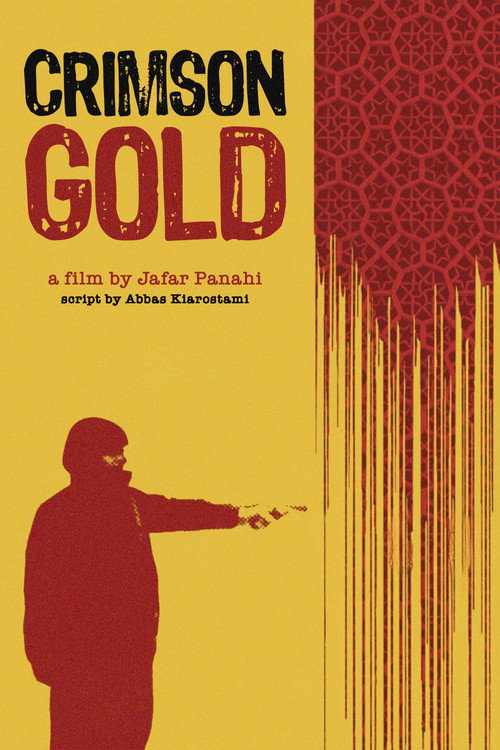
Crimson Gold is a work of social realism that uses a thriller framework to examine class friction in Tehran. It succeeds in providing a non-hegemonic perspective, offering a sophisticated critique of capitalism and systemic inequity through the eyes of a working-class protagonist. However, the film lacks diversity in terms of LGBTQ+ representation and gender subversion. It operates within a traditional social framework that does not actively challenge established gender hierarchies or include non-straight-centered identities. Ultimately, the film's strength lies in its cultural authenticity and its ability to challenge Western storytelling norms, even as it remains narrow in its demographic scope.
Category Breakdown
The film does not feature any LGBTQ+ characters or themes. The story focuses solely on the socioeconomic and moral pressures of the urban environment.
Gender roles adhere to traditional cultural and legal structures. The narrative centers around the class-based struggles of a male protagonist without challenging gender hierarchies.
The cast reflects a culturally homogeneous Iranian setting. It provides an authentic, non-Western perspective that challenges Hollywood-centric storytelling through a localized lens.
The film offers a sharp critique of capitalist structures and wealth inequality. It portrays institutional access as exclusionary, highlighting the tension between individuals and economic systems.
There are no significant depictions of physical or neurodivergent disabilities. Such traits do not serve as central plot devices or character elements.
Present on Screen
Limited or Absent
Official Synopsis
Pizza man Hussein is a daily witnesses to the unjust distribution of wealth in his native Iran. One day, he finds a purse filled with shockingly expensive receipts from an upscale jewelry store. He attempts to bring the purse back to the store, but because of his working-class attire, he's not allowed inside. Then, during a delivery, a rich man invites Hussein into his extravagant mansion – an event that spurs Hussein to make a desperate bid for wealth.
1995

1996

2002
1993

2002

1978

2008
2011
No reviews yet. Be the first to share your thoughts on this movie!
Use the rating form above to leave a star rating and optional review.