
The Bounty
2012
No user ratings available yet
Diversity score: 3.2 out of 10
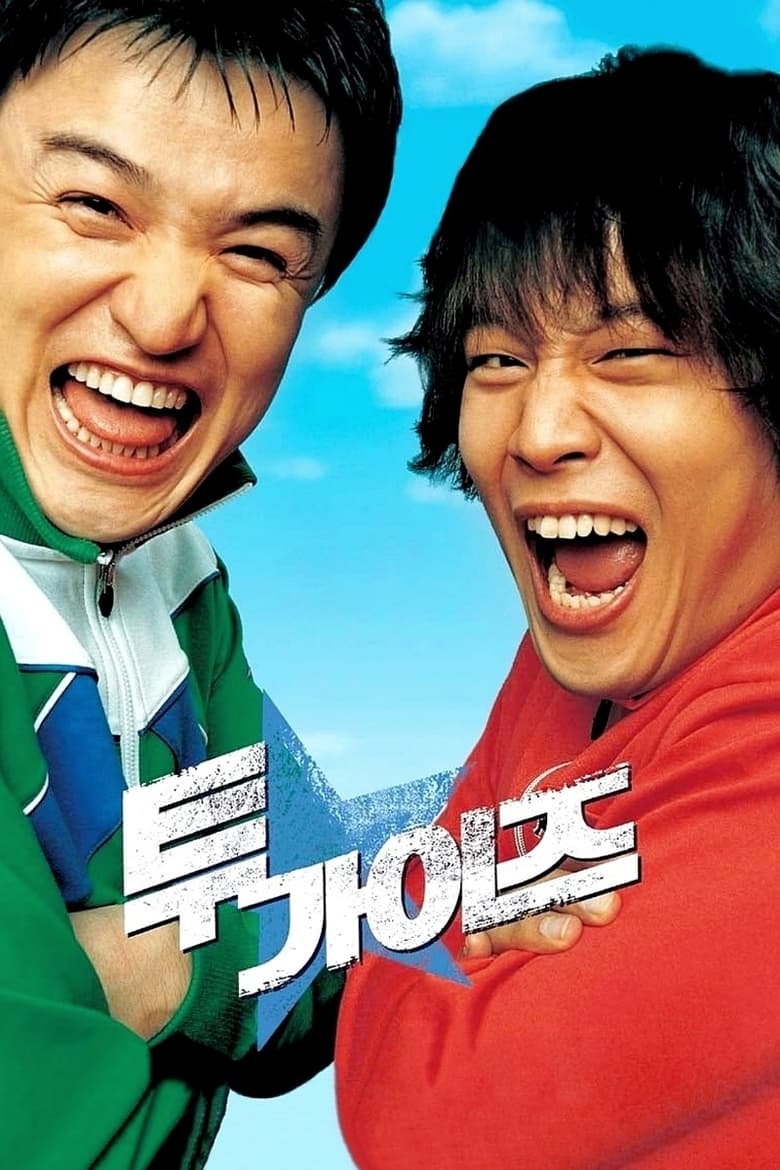
2004
Director
Park Hun-soo
Runtime
116 minutes
Average Rating
No ratings yetSynopsis
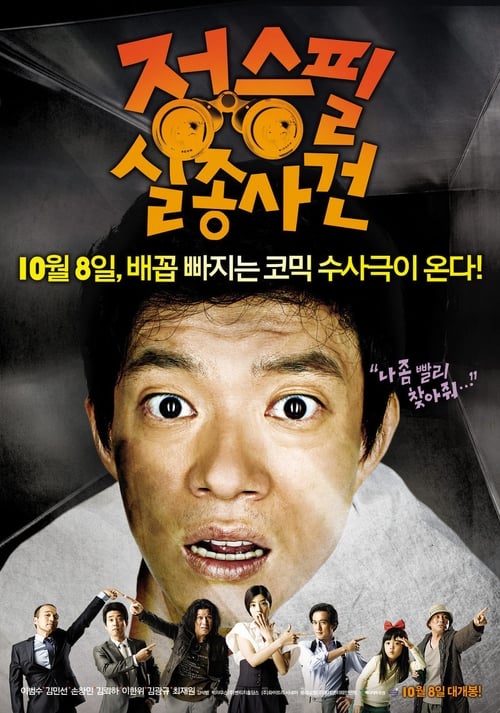
Hun is a famous Casanova who works as a part-time valet parker at a bar. He suffers from a huge amount of credit card debt, since he has spent money on his girls. Meanwhile, Hun's usurer hires Joong-tae to threaten Hun for getting his money back. One day, Hun and Joong-tae witness a murder scene, and they fall into the real trouble.
Overall Score
Limited
Category Breakdown
LGBTQ+ Representation
The film lacks any evidence of non-cisnormative identities. The plot centers on a male protagonist's interactions with women, suggesting a traditional heteronormative framework.
Gender Representation
The narrative focuses on male agency and conflict. The protagonist's Casanova persona relies on traditional gendered power dynamics and the objectification of female characters.
Racial & Ethnic Diversity
As a South Korean production, the film provides a non-Western perspective. It operates outside of Anglo-Saxon hegemony, though specific racial blending is not detailed.
Religious & Cultural Diversity
The story touches on economic instability and consumerism through themes of credit card debt. However, it primarily follows traditional crime-comedy tropes involving usurers and criminals.
Disability Representation
There is no information available regarding characters with physical, sensory, or neurodivergent disabilities.
Strengths
Areas for Improvement
AI Analysis
Two Guys is a conventional genre comedy that relies heavily on established tropes of masculinity and romantic pursuit. The narrative architecture focuses on an 'odd couple' dynamic driven by debt and accidental criminality rather than social critique. The film lacks intentional efforts to disrupt traditional social hierarchies or promote intersectional representation. It functions primarily as a character-driven comedy centered on male-driven conflict and gendered social dynamics. While the film offers regional cultural specificity as a South Korean production, it does not engage with progressive social frameworks or subvert mainstream norms.
2012
1984

2024

2016
2006
1977
2009
2007
1984
2012
2012

2014
No reviews yet. Be the first to share your thoughts on this movie!
Use the rating form above to leave a star rating and optional review.