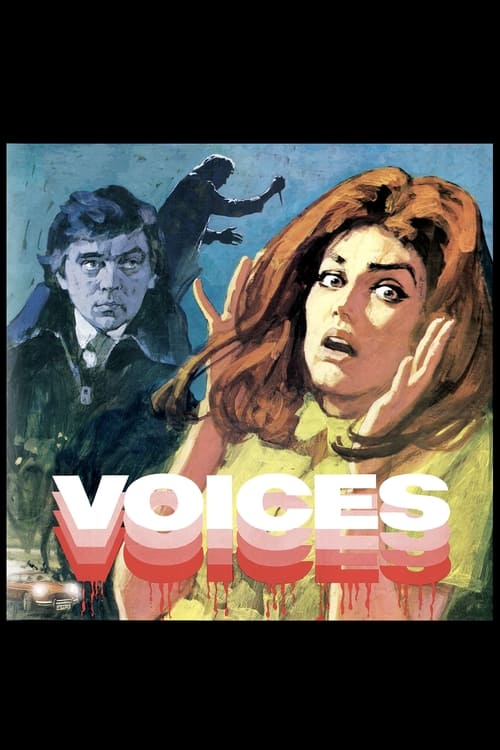
Voices
1973
No user ratings available yet
Representation score: 3.8 out of 10
Representation Score
Limited
1973
RDirector
Bernard Girard
Runtime
74 minutes
Average Rating
No ratings yetNew Showbiz Analysis
A Name for Evil operates within a conventional mid-20th-century dramatic framework. The plot focuses on ancestral property, family business, and integration into local religious structures, reinforcing traditional social hierarchies rather than challenging them. The film lacks active representation of diverse identities. The narrative structure prioritizes a traditionalist worldview, centering on a heterosexual couple and established community institutions. Without evidence of multi-layered storytelling or the subversion of gender and racial norms, the film remains a product of its era's standard dramatic clichés.
Category Breakdown
The story centers on a heterosexual marriage. There are no explicit depictions of non-straight identities or same-sex relationships in the narrative.
The plot follows a traditional domestic unit. The male protagonist drives the action through his career dissatisfaction and his efforts to renovate the ancestral home.
The film lacks details regarding the racial composition of the cast. The setting suggests a potentially homogeneous environment typical of the 1973 production era.
The narrative engages with traditional Western institutions like the nuclear family and organized religion. The local church acts as an integrating force for the protagonist.
There is no mention of characters with visible or invisible disabilities in the story.
Present on Screen
Limited or Absent
Official Synopsis
Dissatisfied with the family architectural business, a man and his wife pack up and move out to his great-grandfather's old house in the country. While trying to patch it up, the house starts to make it clear to him that it doesn't want him there, but the local church (with some off-kilter practices of their own) seems to take a shine to him.
1973

1976

1972

1986
1974
1971

1974

1960
No reviews yet. Be the first to share your thoughts on this movie!
Use the rating form above to leave a star rating and optional review.