
Black Hills
1947
No user ratings available yet
Diversity score: 1.9 out of 10
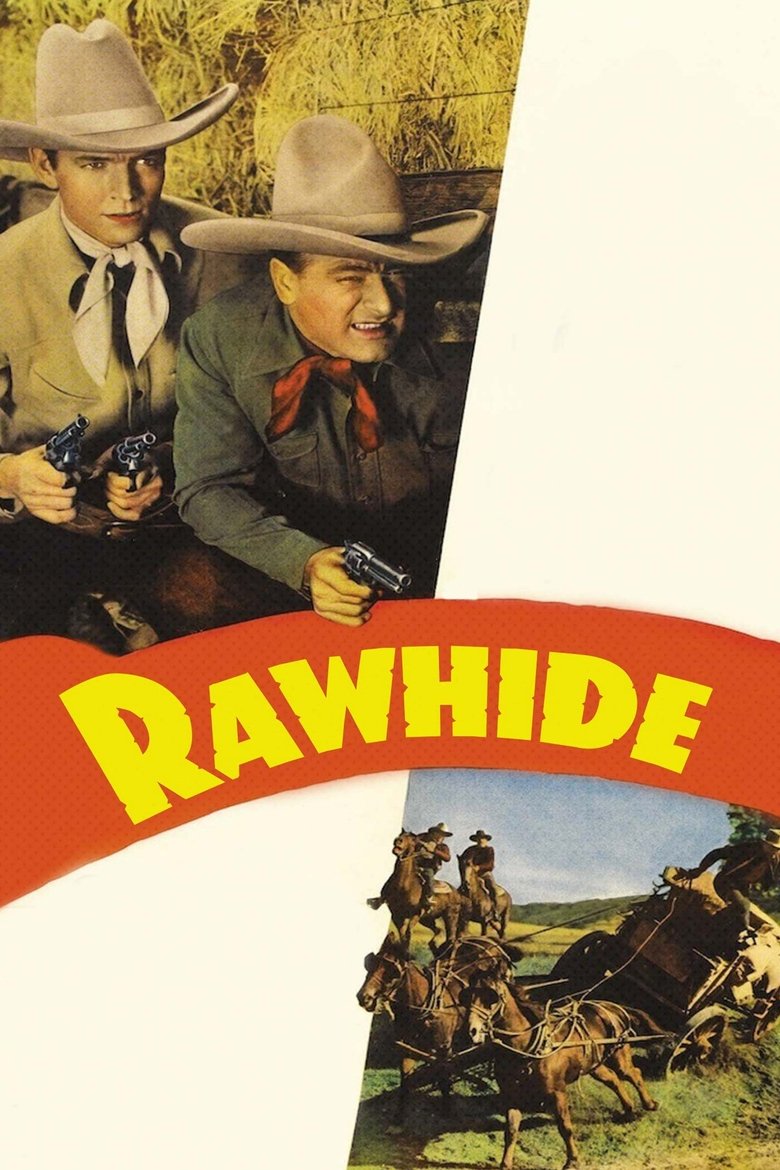
1938
Director
Ray Taylor
Runtime
58 minutes
Average Rating
No ratings yetSynopsis
Saunders with his Cattlemen's Protective Agency is running roughshod over the ranchers. Lawyer Larry Kimball is fighting him but he needs a rancher that will stand up with him against Saunders. He finds him when Lou Gehrig retires from baseball to take up ranching. Lou expects to relax on his ranch but quickly joins Larry in the fight.
Overall Score
Limited
Category Breakdown
LGBTQ+ Representation
The film lacks any evidence of LGBTQ+ characters or non-heteronormative narratives. It operates within the strict social and cinematic constraints of 1938, prioritizing heteronormative archetypes.
Gender Representation
The narrative focuses on a conflict between male protagonists and a male antagonist. Female roles are not detailed, suggesting they likely occupy secondary or domestic positions typical of the era.
Racial & Ethnic Diversity
Set in a Western context, the film likely reinforces the era's standard of homogeneous white representation. It utilizes the traditional 'pioneer' spirit common to 1930s Western cinema.
Religious & Cultural Diversity
The story engages with traditional Western themes like land ownership and legal struggle. It aligns with conventional values of justice rather than offering systemic or post-colonial critiques.
Disability Representation
There is no information available regarding the depiction of physical or neurodivergent characters in this film.
Strengths
Areas for Improvement
AI Analysis
Rawhide is a period-typical Western that adheres strictly to the genre conventions of the late 1930s. The plot centers on masculine heroism and traditional power dynamics, specifically the struggle between a lawyer, a rancher, and a corrupt agency. The film prioritizes established social hierarchies and conventional morality. It lacks intersectional storytelling, instead focusing on archetypal male conflict and the standard Western tropes of its time. Because the narrative is built around traditionalist values and homogeneous casting, it offers little in the way of social subversion or diverse representation.
1947

1934
1941
1946
1932
1925
1949

1936
1935
1934
1945
1938
No reviews yet. Be the first to share your thoughts on this movie!
Use the rating form above to leave a star rating and optional review.