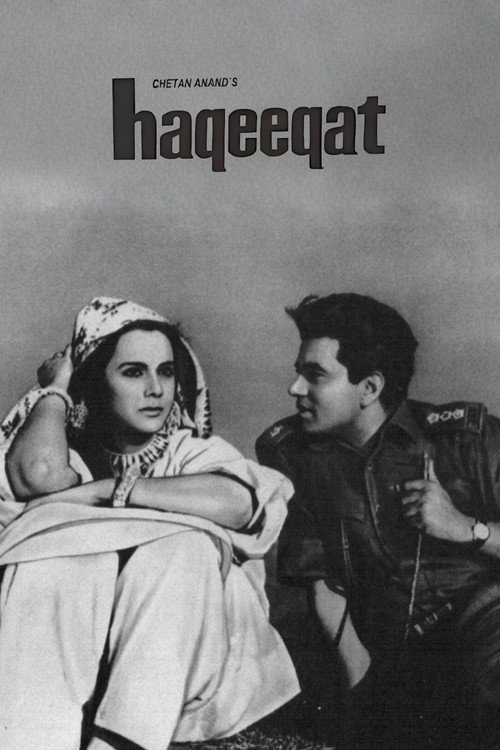
Haqeeqat
1964
No user ratings available yet
Diversity score: 3.0 out of 10

2012
Director
Bedabrata Pain
Runtime
105 minutes
Average Rating
No ratings yetSynopsis
Jhunku, a 14-year-old youth in 1930s British Bangladesh, embarks on a journey to determine where he belongs.
Overall Score
Good
Category Breakdown
LGBTQ+ Representation
The film focuses on geopolitical and nationalistic struggles rather than queer narratives. There is no explicit evidence of non-cisnormative gender identities within the primary character arcs.
Gender Representation
Women are portrayed with significant agency, navigating the intersection of domestic survival and political resistance. The narrative avoids treating female characters as passive victims, emphasizing their intellectual and emotional resilience.
Racial & Ethnic Diversity
The film excels by utilizing a primarily Bengali cast to ground the story in its specific cultural reality. It avoids whitewashing by centering the decolonization process and Bengali identity.
Religious & Cultural Diversity
The story is deeply rooted in post-colonial critique, depicting the struggle for independence against military crackdowns. It prioritizes national identity and the pursuit of sovereignty over institutional stability.
Disability Representation
There is no prominent evidence regarding the inclusion of neurodivergent or physically disabled characters. The narrative focuses instead on broader socioeconomic and political realities.
Strengths
Areas for Improvement
AI Analysis
Chittagong is a sophisticated work of post-colonial cinema that successfully challenges Western-centric historical narratives. Its primary strength lies in its authentic ethnic representation and its ability to center the voices of the formerly colonized during the 1971 Bangladesh Liberation War. The film also makes significant strides in gender representation by providing women with agency and resilience within a high-stakes military landscape. This disrupts traditional patriarchal hierarchies often found in wartime dramas. However, the film lacks representation for LGBTQ+ identities and characters with disabilities. While these omissions do not appear to stem from harmful tropes, they represent gaps in the narrative's inclusive scope.
No reviews yet. Be the first to share your thoughts on this movie!
Use the rating form above to leave a star rating and optional review.