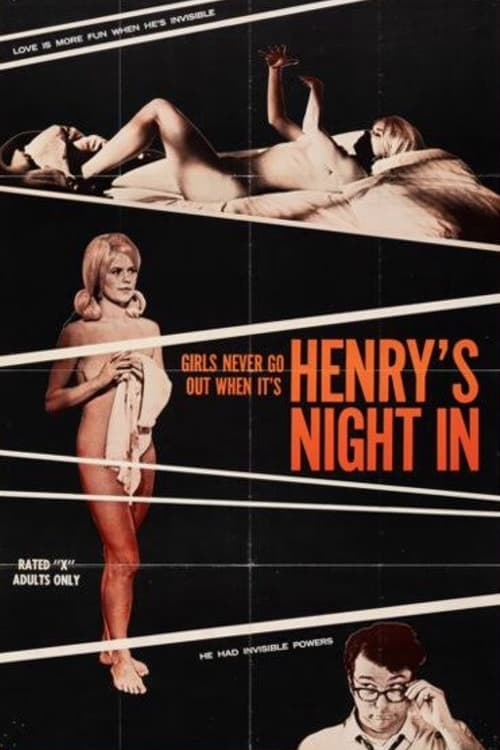
Henry's Night In
1969
No user ratings available yet
Representation score: 0.8 out of 10
Representation Score
Minimal
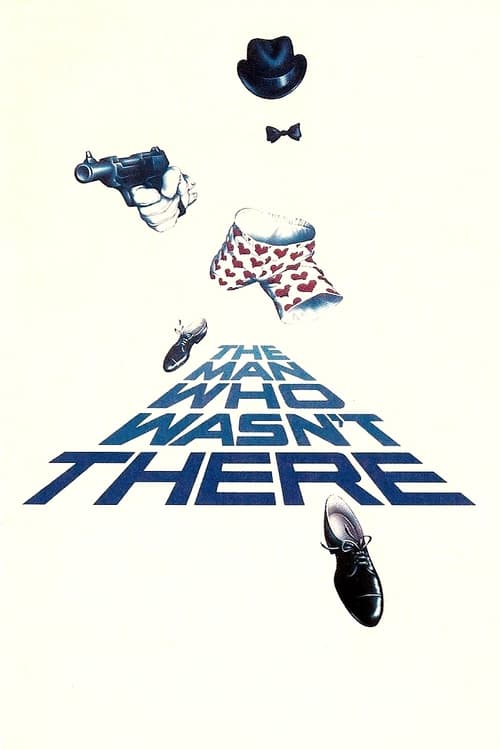
1983
RDirector
Bruce Malmuth
Runtime
111 minutes
Average Rating
No ratings yetNew Showbiz Analysis
The film is a typical 1980s action-comedy that emphasizes spectacle and escapism over social critique. It relies heavily on established genre clichés and mid-century hierarchies. The narrative structure reinforces existing geopolitical and gender norms. By focusing on a Western bureaucrat navigating Cold War tensions, the film maintains a narrow, Western-centric viewpoint. Overall, the film functions as a standard genre piece without the intention to challenge or disrupt traditional social or cultural archetypes.
Category Breakdown
The film centers around a heterosexual relationship between the main character and his fiancée. There are no representations of LGBTQ+ identities or narratives that challenge traditional assumptions about sexuality and gender.
The story revolves around Sam Cooper, a male bureaucrat. The female lead is shown reacting emotionally, indicating a traditional role with limited proactive influence.
The conflict is framed through Cold War stereotypes, pitting a Western bureaucrat against Russian adversaries. The narrative leans on established geopolitical tensions rather than showcasing a diverse range of ethnicities.
The story unfolds within a Western institutional context, involving the State Department and Cold War politics. It adheres to traditional adventure themes without critiquing Western structures or religious frameworks.
Disability is used as a plot device in the science fiction setting rather than depicting actual physical or neurological differences. No characters with disabilities have significant roles or ability to act.
Present on Screen
Limited or Absent
Official Synopsis
When he accidentally takes possession of a top-secret invisibility potion while en route to his wedding, government bureaucrat Sam Cooper finds himself engulfed in a madcap free-for-all as Russians and other bad guys try to get the substance. To elude the Reds, his own State Department bosses and his livid fiancée, Cooper takes the vanishing juice himself—which only makes matters worse.
1969
1980
1983
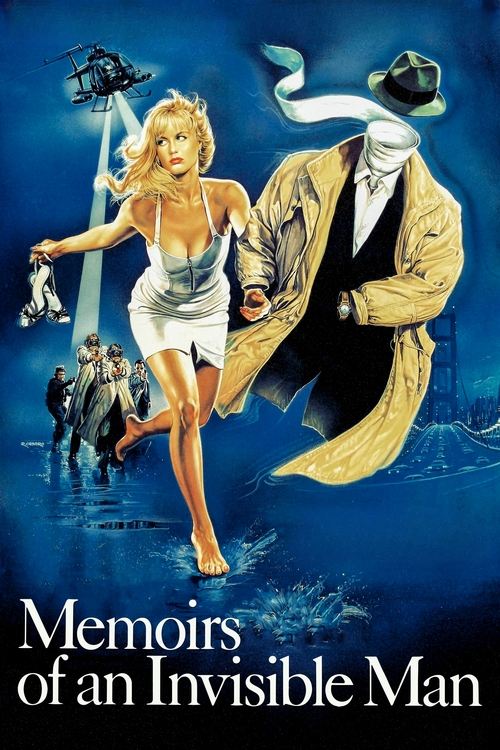
1992
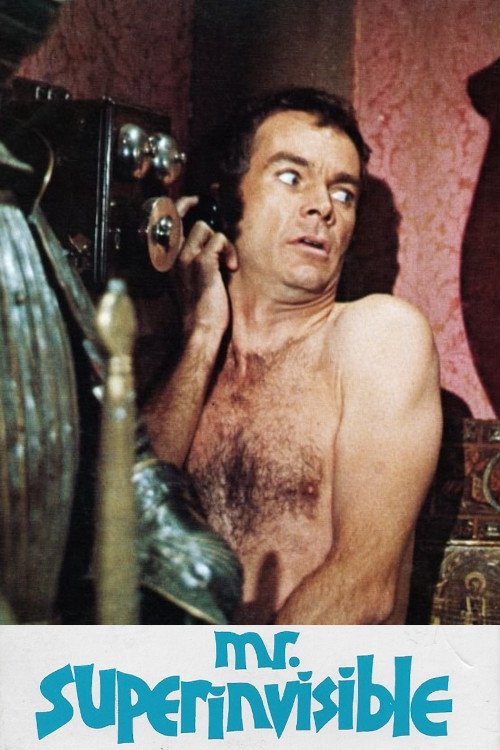
1970
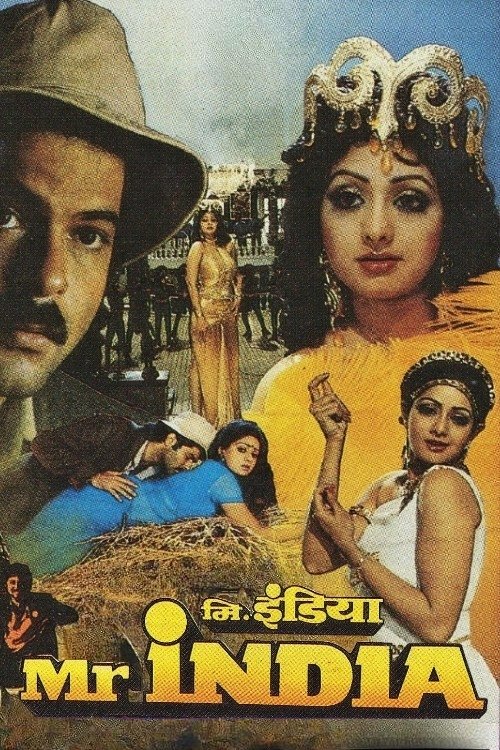
1987

2004
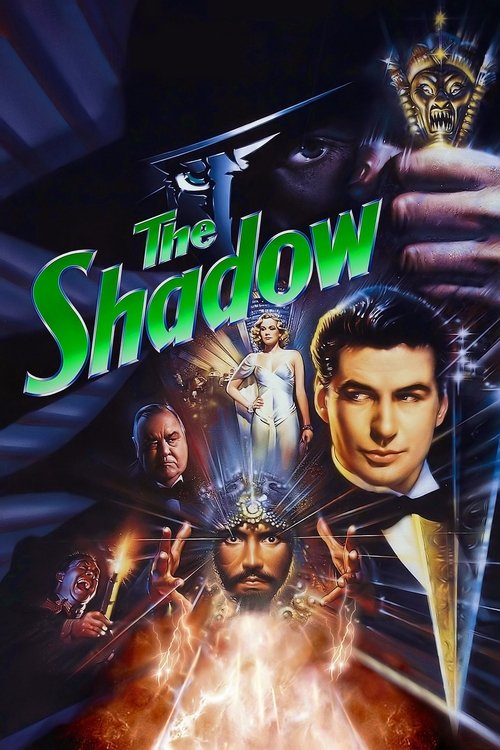
1994
No reviews yet. Be the first to share your thoughts on this movie!
Use the rating form above to leave a star rating and optional review.