
Elaan
1971
No user ratings available yet
Representation score: 3.1 out of 10
Representation Score
Good
1987
Director
Shekhar Kapur
Runtime
179 minutes
Average Rating
No ratings yetNew Showbiz Analysis
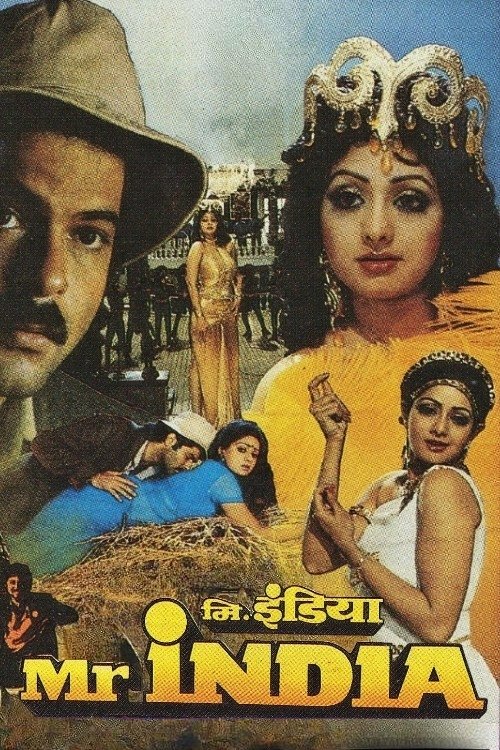
Mr. India succeeds as a social commentary by transforming genre clichés into a critique of systemic oppression. Its strength lies in its deconstruction of institutional authority and its focus on the 'common man' fighting against predatory wealth. However, the film remains limited by its adherence to conventional social frameworks. It lacks representation for LGBTQ+ identities and does not feature characters with disabilities as central figures. Ultimately, the film's impact comes from its portrayal of class-based identity and the necessity of grassroots ability to act in a post-colonial urban setting.
Category Breakdown
The film follows traditional structures centered around straight relationships. There are no queer subtexts or non-binary identities represented.
Seema breaks away from traditional roles by showing significant resilience and ability to act. She avoids the submissive stereotype, offering a nuanced portrayal of female strength in challenging situations.
Set in Mumbai, the film showcases a diverse urban landscape. It contrasts the lives of the working class with those of the wealthy elite using socioeconomic differences.
The story critiques systemic corruption and institutional failures. It portrays the protagonist as a vigilante fighting against predatory capitalism and the corrupting influence of absolute power.
No characters with visible or invisible disabilities drive the plot. Invisibility is treated as a technological superpower rather than a representation of physical or sensory disability.
Present on Screen
Limited or Absent
Official Synopsis
A poor but big-hearted man takes orphans into his home. After discovering his scientist father's invisibility device, he rises to the occasion and fights to save his children and all of India from the clutches of a megalomaniac.
1971

1975

2006
1994
2007
2003

2015

1985
No reviews yet. Be the first to share your thoughts on this movie!
Use the rating form above to leave a star rating and optional review.