Buona giornata
2012
No user ratings available yet
Representation score: 2.3 out of 10
Representation Score
Limited
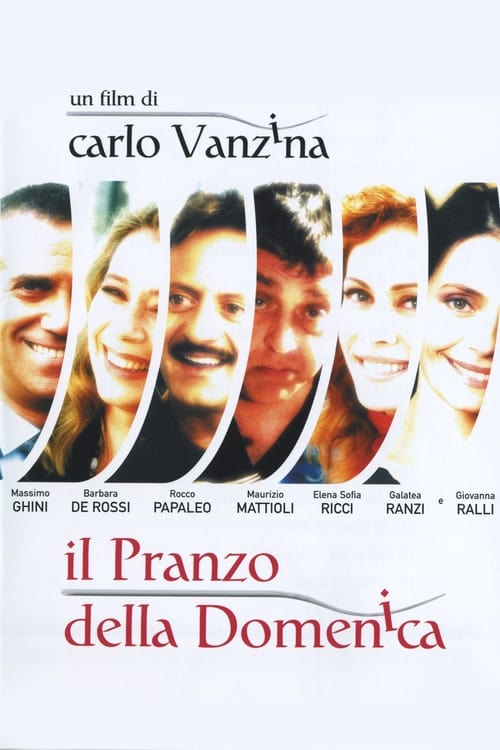
2003
Director
Carlo Vanzina
Runtime
98 minutes
Average Rating
No ratings yetNew Showbiz Analysis
Il pranzo della domenica is a traditional comedy that reflects established social hierarchies. It focuses on the conflicts within a stable, bourgeois family unit rather than exploring diverse identities. The film relies on recognizable archetypes and conventional social structures. While it centers on a female matriarch, the narrative remains confined to domesticity and traditional middle-class life. Overall, the work serves as a portrait of a specific, culturally uniform era of Italian life, without challenging systemic norms.
Category Breakdown
The film does not include any queer narratives or non-cisgender identities, sticking to traditional social roles.
Franca Malorni plays a central role as a matriarch, driving the plot forward. However, the story remains focused on traditional gender roles within the middle class.
The film portrays a homogeneous depiction of the Roman bourgeoisie, with no multi-ethnic cast.
The narrative emphasizes traditional Mediterranean social rituals, particularly the Sunday lunch, which highlights the preservation of bourgeois status and familial norms.
There are no visible or invisible disabilities that play a central role in the character arcs or the plot progression.
Present on Screen
Limited or Absent
Official Synopsis
The life of Franca Malorni, exponent of the good bourgeoisie of the capital, suddenly changes when her husband dies suddenly. The woman begins to pour her attention on the three daughters, obliging them to have a Sunday lunch with their families.
2012
1995
2012
1983
2013
2000
2007
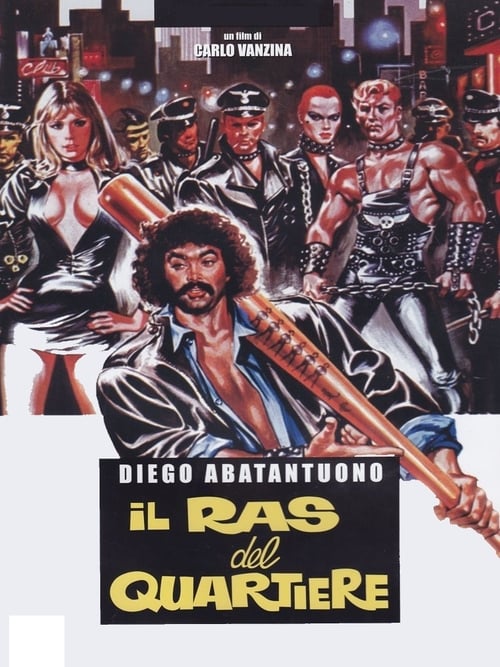
1983
No reviews yet. Be the first to share your thoughts on this movie!
Use the rating form above to leave a star rating and optional review.