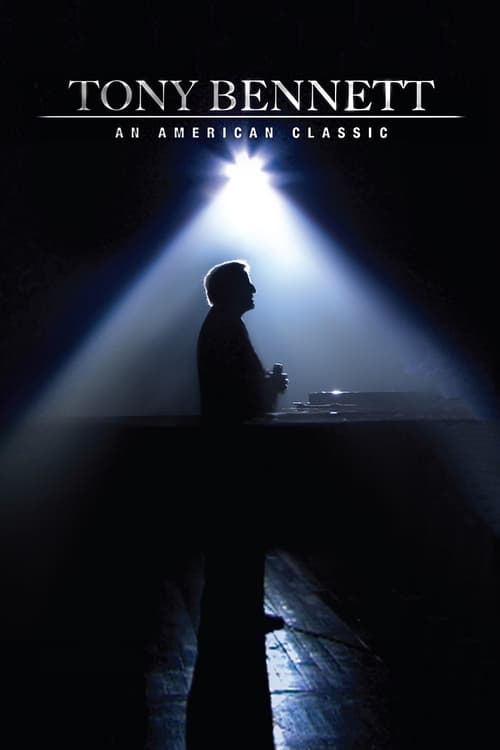
Tony Bennett: An American Classic
2006
No user ratings available yet
Representation score: 3.5 out of 10
Representation Score
Fair
1985
TV-GDirector
David Heeley
Runtime
80 minutes
Average Rating
No ratings yetNew Showbiz Analysis
This documentary functions as a celebratory retrospective rather than a tool for social critique. It relies on archival preservation to honor a legendary career, which naturally leans toward a traditionalist framework. While the film does not actively seek to disrupt social norms, it gains progressive value through the inclusion of historically significant performers like Lena Horne. Ultimately, the work serves as a tribute to stardom and musical heritage, celebrating established talent and legacy rather than engaging in the deconstruction of systemic power dynamics.
Category Breakdown
The film carries significant subtext due to Judy Garland's status as a queer icon. However, the archival footage lacks explicit depictions of same-sex intimacy or narratives that highlight queer experiences.
The documentary centers on a powerful female protagonist and features other legendary women like Liza Minnelli. It highlights professional excellence rather than critiquing patriarchal structures.
Representation is bolstered by the inclusion of Lena Horne, a pioneering Black performer. This presence acknowledges diverse voices within the musical canon without focusing on systemic racial struggles.
The production adheres to traditional Western entertainment values. It celebrates the concept of the superstar and the musical canon rather than deconstructing cultural institutions.
There is no discernible focus on visible or invisible disabilities. The narrative prioritizes musical performance and biographical reminiscence.
Present on Screen
Limited or Absent
Official Synopsis
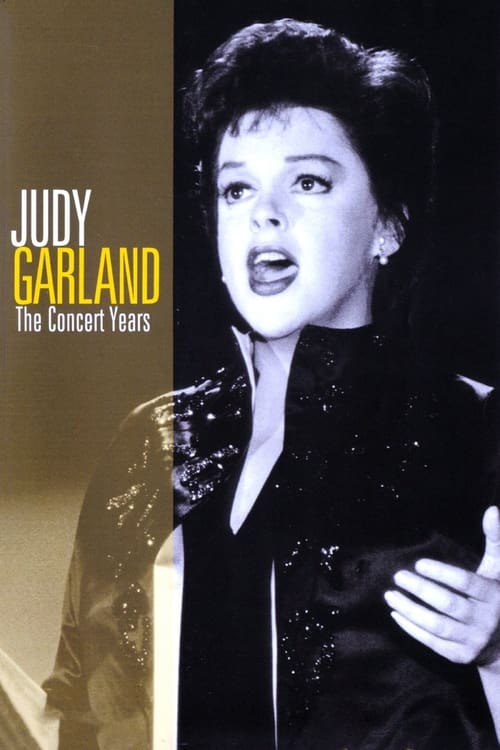
This very special program-hosted by Judy's daughter, Lorna Luft-is a loving tribute to the life and timeless popularity of superstar Judy Garland, who began as a small-time vaudeville act and grew up to be one of the greatest entertainers of all time. Featuring the fond reminiscences of many family and friends, this show is filled with some of Judy's finest filmed performances. Includes the legendary performer singing-on her own and with stars such as Barbra Streisand, Lena Horne, Liza Minnelli, and Tony Bennett-several of her greatest songs such as The Man That Got Away, Swanee, San Francisco. Chicago, Over the Rainbow, and many more.
2006
2018
2004

1999

2002

2002
2006
1990
No reviews yet. Be the first to share your thoughts on this movie!
Use the rating form above to leave a star rating and optional review.