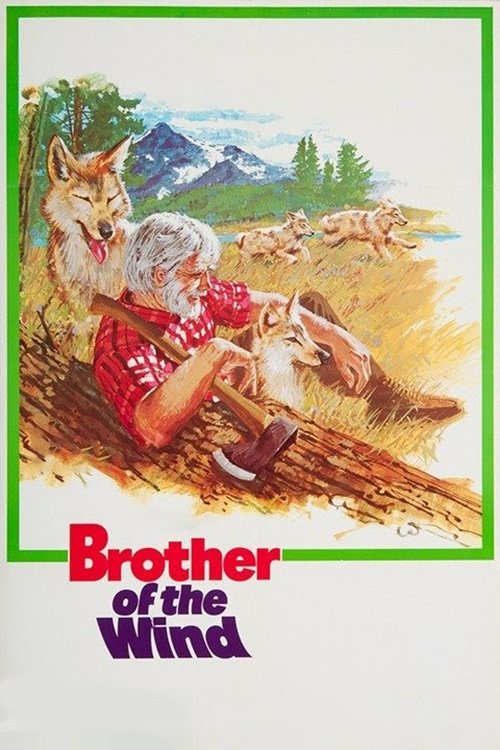
Brother of the Wind
1972
No user ratings available yet
Diversity score: 3.2 out of 10
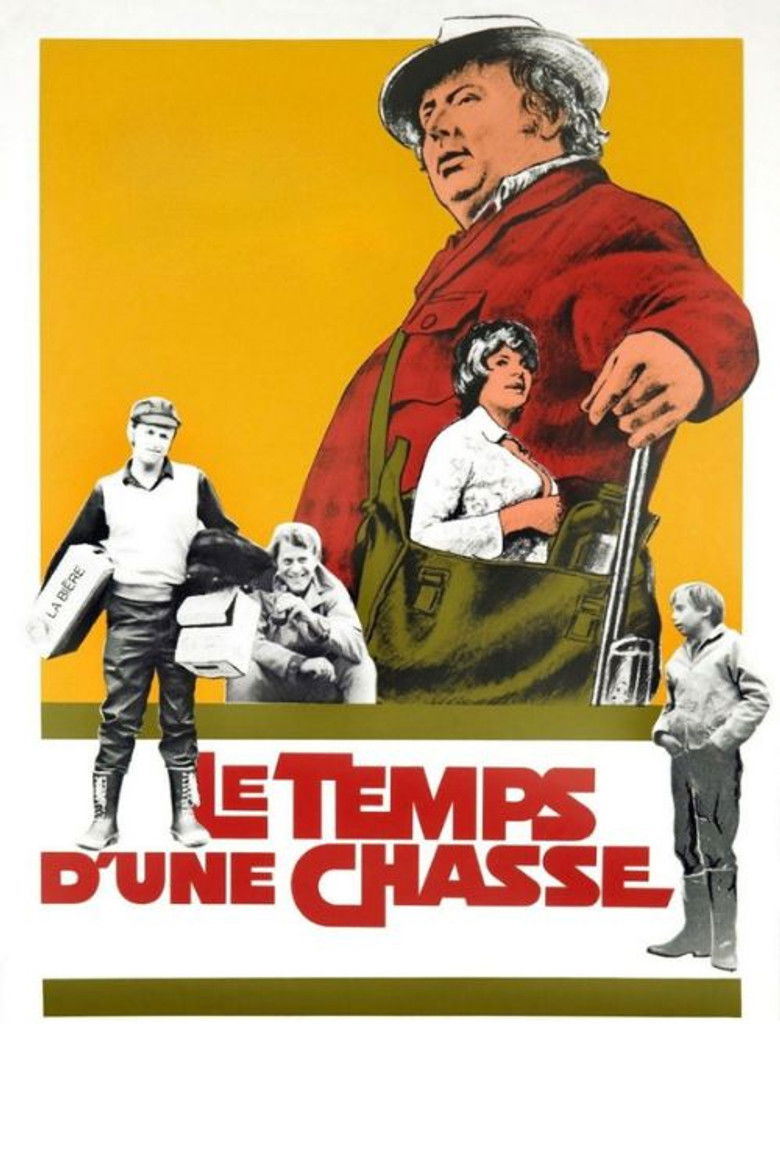
1972
Director
Francis Mankiewicz
Runtime
98 minutes
Average Rating
No ratings yetSynopsis
A young boy learns the rituals of what his father and his friends perceive as manhood on a weekend hunting trip.
Overall Score
Limited
Category Breakdown
LGBTQ+ Representation
The film operates within a strictly heteronormative framework. There are no visible non-cisnormative identities or narratives that challenge traditional gender norms.
Gender Representation
The story focuses heavily on masculine hierarchies and patriarchal rituals. Female characters lack agency, as the plot centers on the transmission of manhood from father to son.
Racial & Ethnic Diversity
The setting depicts a homogeneous social group typical of 1972 rural North America. No significant racial blending or diverse ethnic perspectives are present in the narrative.
Religious & Cultural Diversity
The film explores the breakdown of social order in the wilderness. However, it lacks systemic critiques or overt secularist themes, focusing instead on the volatility of youth.
Disability Representation
No visible or invisible disabilities are portrayed as central to the character arcs or the progression of the story.
Strengths
Areas for Improvement
AI Analysis
The Time of the Hunt is a character study focused on the ritualistic transition from childhood to adulthood. It prioritizes classical masculine archetypes and the friction between individual instinct and inherited social structures. The film reinforces traditional social hierarchies rather than subverting them. The narrative is deeply rooted in a localized, culturally specific experience of rural life that adheres to the demographic norms of its era. While the film touches on the tension between youth and authority, it lacks the intersectional frameworks or systemic critiques found in more contemporary cinema.
1972
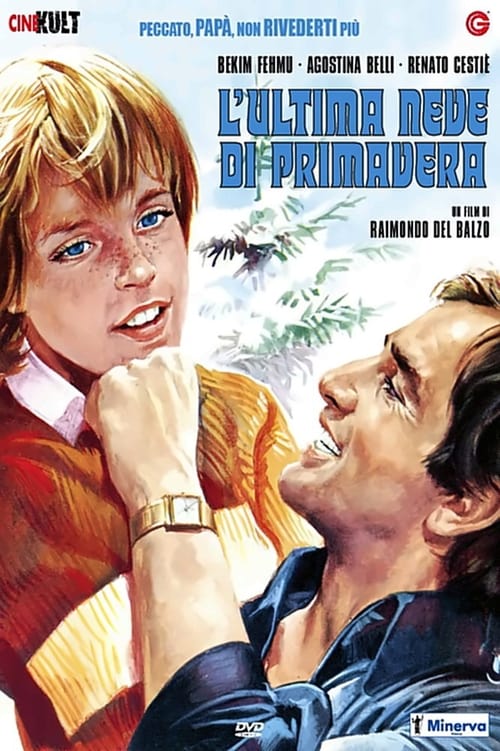
1973
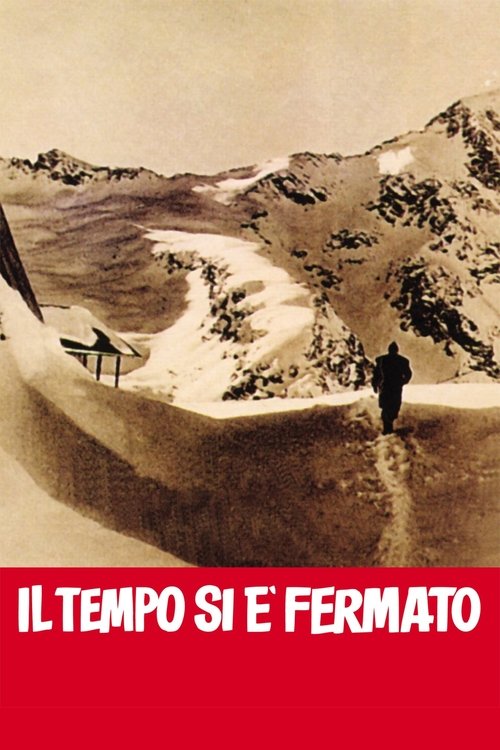
1960
1976
1966

1975
1957
1976
1956

1989

2004
1969
No reviews yet. Be the first to share your thoughts on this movie!
Use the rating form above to leave a star rating and optional review.