
Doctor Who: Earth Conquest - The World Tour
2014
No user ratings available yet
Representation score: 6.5 out of 10

Representation Score
Fair
2014
Director
Susannah Ward
Runtime
60 minutes
Average Rating
No ratings yetNew Showbiz Analysis
Unlocking Sherlock is a technical retrospective on the adaptation process. It explores how creators transform classic archetypes to fit modern sensibilities, focusing more on the evolution of a specific cultural canon than on promoting diverse representation. The film highlights the transition of traditional narratives into psychologically nuanced frameworks. It provides valuable context regarding the modernization of Victorian moral structures and the deconstruction of the gentleman detective archetype. However, the documentary remains tethered to its source material’s traditionalist roots, lacking significant racial blending or a dedicated focus on disability representation.
Category Breakdown
The film explores the subtle queer undertones in the relationship between Holmes and Watson, without directly depicting these themes. Instead, it delves into these ideas through character analysis.
The film focuses on male detectives but also highlights women like Irene Adler as intellectual equals. However, it does not make female perspectives the main focus of the narrative.
The film concentrates on the historical roots of a character tied to Victorian Anglo-Saxon traditions. It reflects the predominantly white casting typical of traditional adaptations.
The documentary looks at the shift from Victorian morality to modern, situational ethics. It offers an academic perspective on the evolution of a specific Western literary tradition.
The film does not specifically address physical or neurodevelopmental disabilities. The focus remains on the writing and production process rather than disability issues.
Present on Screen
Limited or Absent
Official Synopsis
Explore how writers Steven Moffat and Mark Gatiss created the hit television sensation. Take a personal voyage through the versions of Holmes that have served as inspirations for the new series - the original stories, their factual origins, hundreds of film adaptations - to arrive at their thoroughly modern Sherlock. Moffat and Gatiss explain the challenges they encountered adapting the original adventures of the iconic super-sleuth. Go behind the scenes on the set of the hit television series, including interviews with actors Benedict Cumberbatch, Martin Freeman and Lara Pulver, who talk about the reinvention of their fictional characters.
2014
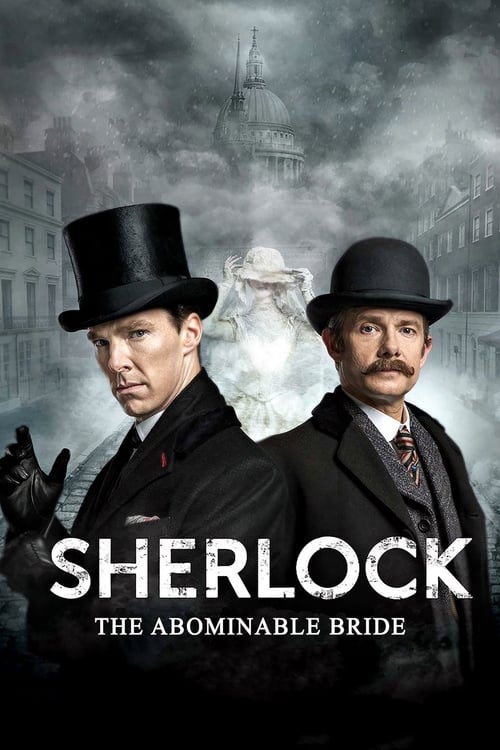
2016

2016

2019

2005

2018

2010

2012
No reviews yet. Be the first to share your thoughts on this movie!
Use the rating form above to leave a star rating and optional review.