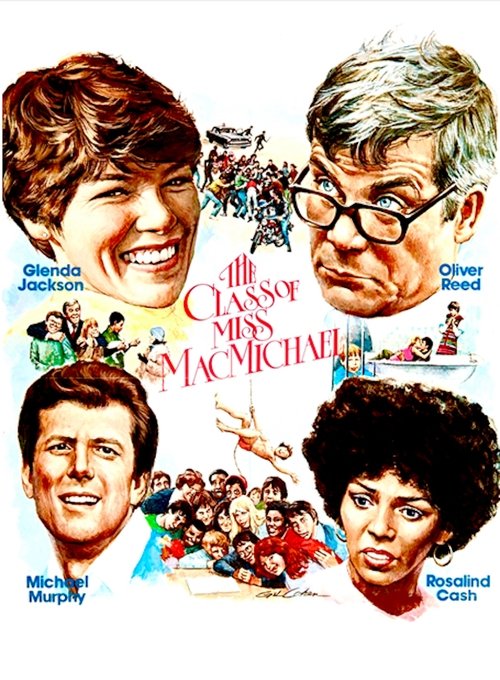
The Class Of Miss MacMichael
1978
No user ratings available yet
Representation score: 6.1 out of 10
Representation Score
Limited
1977
PGDirector
Silvio Narizzano
Runtime
100 minutes
Average Rating
No ratings yetNew Showbiz Analysis
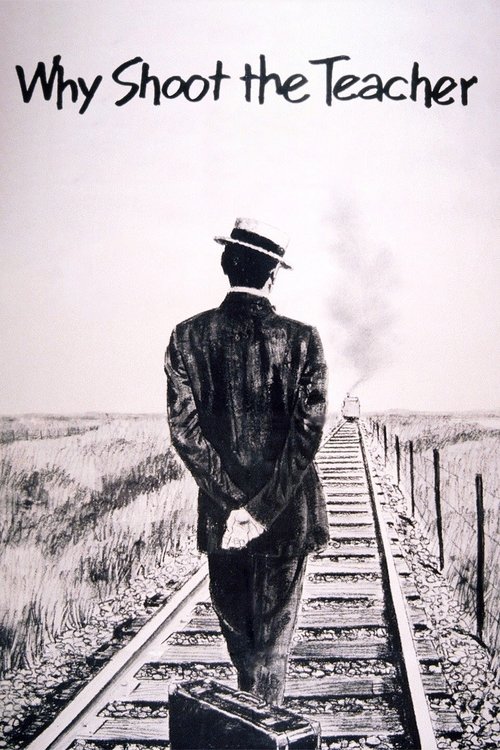
Why Shoot the Teacher? is a period drama that focuses on dismantling institutional power rather than modern identity-based issues. It examines social tensions through class and authority, not identity politics. Though the film lacks depth in addressing race, gender, or LGBTQ+ identities, it offers a progressive narrative structure. It portrays rebellion against rigid systems as a valid response to authority. Ultimately, the film studies generational and institutional conflict, successfully challenging established hierarchies but failing to offer meaningful representation for underrepresented groups.
Category Breakdown
The film follows the social structures typical of its 1935 setting, which assumes everyone is straight or cisgender. There are no LGBTQ+ characters or depictions of same-sex intimacy.
The story centers on a power struggle between a teacher and students, avoiding gender-specific conflicts. It does not challenge traditional views of masculinity or femininity.
The film depicts a rural prairie town with a homogeneous population, reflecting the demographics of the time. The cast seems to represent a non-Anglo-Saxon majority.
The movie critiques Western institutions by highlighting student rebellion as a central theme. It questions the sanctity of rigid educational systems and social orders.
There are no characters with visible or invisible disabilities portrayed with significant roles or central to the narrative.
Present on Screen
Limited or Absent
Official Synopsis
It's the winter of 1935 and Max Brown is newly arrived in Willowgreen, Saskatchewan - a rural Canadian prairie town - on his first teaching job in a one room schoolhouse. He quickly realizes that this is not a dream situation: the winter is harsher than he's ever experienced, he's living in the basement of the school, the older of his students treat him poorly and his wages are paltry if and when he ever does get paid.
1978
1967
1987
1955
1993

1945
1937
1976
No reviews yet. Be the first to share your thoughts on this movie!
Use the rating form above to leave a star rating and optional review.