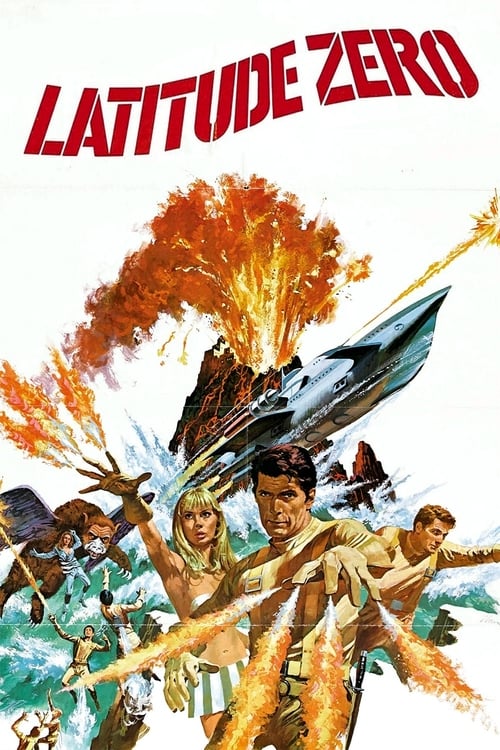
Latitude Zero
1969
No user ratings available yet
Representation score: 3.4 out of 10
Representation Score
Limited
1966
Director
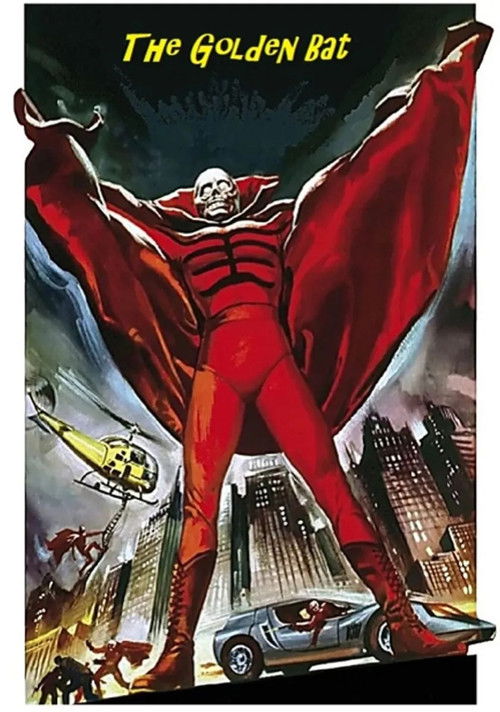
Hajime Sato
Runtime
73 minutes
Average Rating
No ratings yetNew Showbiz Analysis
The Golden Bat is a classic mid-century adventure that relies on traditional hero clichés. While it avoids some Western-centric pitfalls by focusing on international scientific efforts in Japan, it remains a male-dominated narrative centered on conventional action and institutional frameworks. The film's strength lies in its localized setting and its subtle critique of scientific hierarchies. However, it lacks depth in terms of identity representation, particularly regarding gender and LGBTQ+ characters, which were common omissions in the tokusatsu genre of this era. Ultimately, the work functions as a standard science fiction epic. It provides a sense of global scale through its UN involvement but does not actively seek to challenge social or identity-based hierarchies.
Category Breakdown
The film does not include explicit LGBTQ+ characters or identities. The plot centers around a traditional hero-driven adventure without queer representation.
Heroism is primarily centered on a teenage boy and the male Golden Bat. While a UN base suggests collaboration, female characters have limited defined roles and ability to act.
The setting of a UN base in the Japanese Alps challenges Western-centric sci-fi clichés. However, the storyline focuses on a homogenized global threat rather than specific racial or ethnic diversity.
The story critiques institutional rigidity through the protagonist's struggle with the scientific establishment. It emphasizes international cooperation through the UN setting.
There are no visible or invisible disabilities portrayed. No characters are identified as having neurodivergent or physical disabilities.
Present on Screen
Limited or Absent
Official Synopsis
A teenage boy discovers that the planet Icarus is on a collision course with Earth by gazing through his telescope. Scoffed at by the scientific establishment, the boy is kidnapped and brought to a secret UN base in the Japan alps. He is immediately inducted into the secret program whose mission is to finish the Super-Destruction Beam cannon and destroy Icarus. The cannon is missing a special mineral for the lens. The team heads for a mysterious island in the middle of the Pacific. There they find ancient ruins of Atlantis but they are suddenly attacked by a strange drill shaped metal squid spaceship. It's commanded by the evil being Nazu who has engineered the collision with Icarus! He doesn't want to share the universe with humans and he really doesn't want the cannon finished. The action is on and the team discovers the Golden Bat who has been asleep for over 10,000 years awaiting this very moment to save the earth!
1969

1961

1951
1964

1979
1956
1963
1979
No reviews yet. Be the first to share your thoughts on this movie!
Use the rating form above to leave a star rating and optional review.