Warhead
1996
No user ratings available yet
Representation score: 1.9 out of 10
Representation Score
Fair
2000
Director
Setsuro Wakamatsu
Runtime
129 minutes
Average Rating
No ratings yetNew Showbiz Analysis
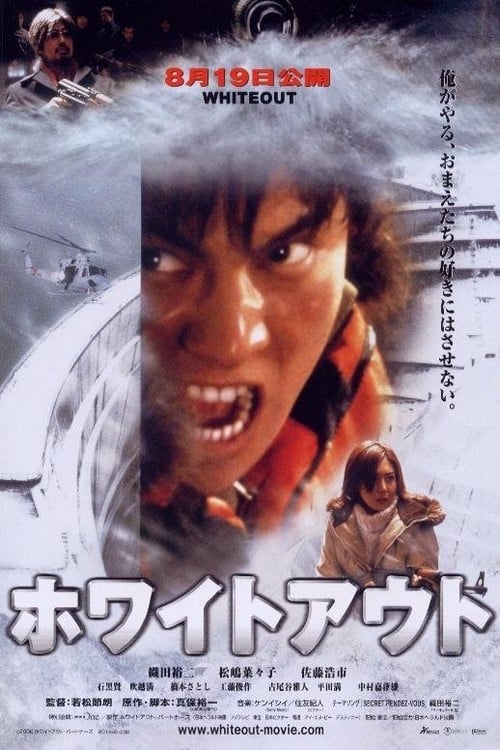
Whiteout functions as a high-stakes thriller that uses an isolated, snowy environment to conduct a psychological study of social alienation. The film moves beyond a simple hostage crisis to explore the breakdown of institutional stability and traditional hierarchies. While the film lacks racial and ethnic diversity, it succeeds in challenging cultural expectations. The director's history of exploring transgressive social boundaries adds a layer of psychological complexity that challenges standard genre clichés. Ultimately, the film's strength lies in its deconstruction of authority and its focus on fragmented identity rather than traditional social order.
Category Breakdown
The film explores non-traditional sexual politics through the director's established style. Although specific identities are not detailed, the narrative moves away from the assumption that everyone is straight or cisgender.
The story disrupts conventional gender roles by focusing on volatile interpersonal dynamics and psychological manipulation. It prioritizes shifting power dynamics and sexual power over traditional gender roles.
The cast is predominantly homogeneous, reflecting a localized Japanese production. It lacks diversity and focuses instead on culturally specific tensions.
The narrative critiques institutional control and the fragility of state structures. It favors a morally relativistic worldview by framing the crisis through social alienation and psychological instability.
There is no documented evidence regarding the portrayal of physical or neurodivergent disabilities in this work.
Present on Screen
Limited or Absent
Official Synopsis
A group of terrorists has taken hold of the largest dam in Japan. They also capture the workers as hostages, and demanded $5 billion yen from the government with a 24 hour deadline in exchange for the lives of the hostages. To make things more complicated, there was a snowstorm and no one can get in or out near the area. Fortunately, the terrorists did not capture Togashi, the dam controller, and he is the only person who can rescue those hostages from the terrorists...
1996
2006

2003
1974

1975
2017

2022
1980
No reviews yet. Be the first to share your thoughts on this movie!
Use the rating form above to leave a star rating and optional review.