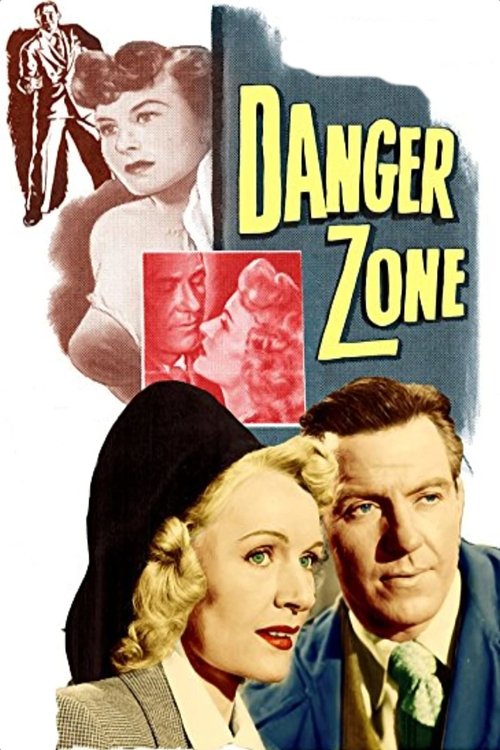
Danger Zone
1951
No user ratings available yet
Diversity score: 2.4 out of 10
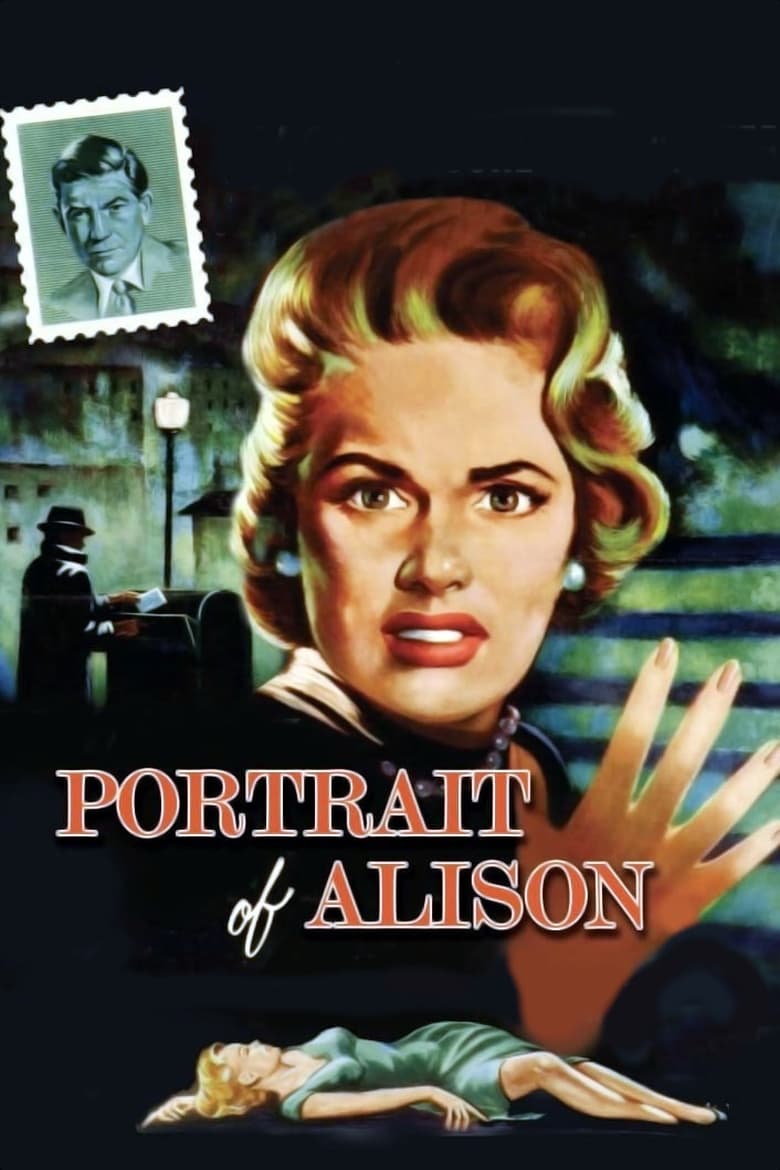
1955
NRDirector
Guy Green
Runtime
84 minutes
Average Rating
No ratings yetSynopsis
An actress and an artist are linked by his brother to deadly smugglers sought by Scotland Yard.
Overall Score
Minimal
Category Breakdown
LGBTQ+ Representation
The film lacks any evidence of non-cisnormative gender identities or same-sex intimacy. It adheres to the heteronormative structures typical of 1955 British cinema.
Gender Representation
While the protagonist is a female actress, her agency appears tied to romantic or domestic stakes. The narrative follows a period-typical pattern of women serving as catalysts for male-driven plots.
Racial & Ethnic Diversity
The production reflects the era's lack of racial pluralism. There is no indication of a diverse cast, suggesting a focus on a homogeneous Anglo-Saxon demographic.
Religious & Cultural Diversity
The story operates within a traditional Western framework centered on established social orders. It emphasizes standard procedural engagement with authority and legal institutions like Scotland Yard.
Disability Representation
There is no mention of characters navigating physical, sensory, or neurodivergent experiences. No specific evidence of disability portrayal is present in the narrative.
Strengths
Areas for Improvement
AI Analysis
Portrait of Alison is a mid-century crime drama that functions as a product of its specific temporal and cultural milieu. The film reinforces the conventional social and demographic standards of 1950s British cinema rather than challenging them. The narrative architecture relies on traditional hierarchies and lacks intersectional complexity. It presents a world defined by established Western institutions and standard procedural tropes. Ultimately, the film offers a narrow view of society, mirroring the era's emphasis on homogeneous casting and heteronormative social structures.
1951
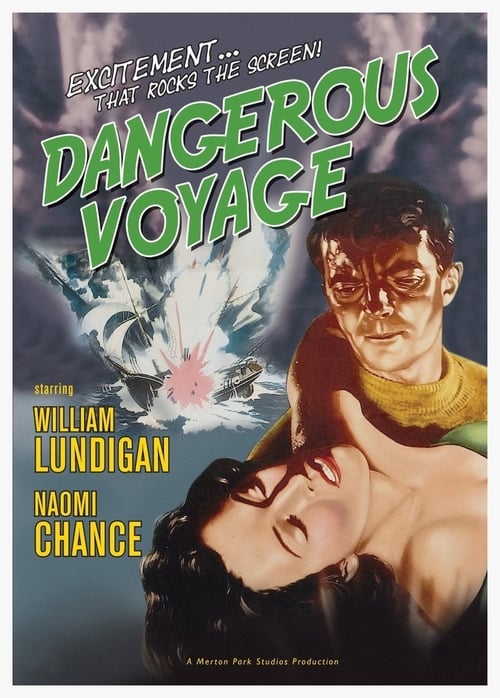
1954
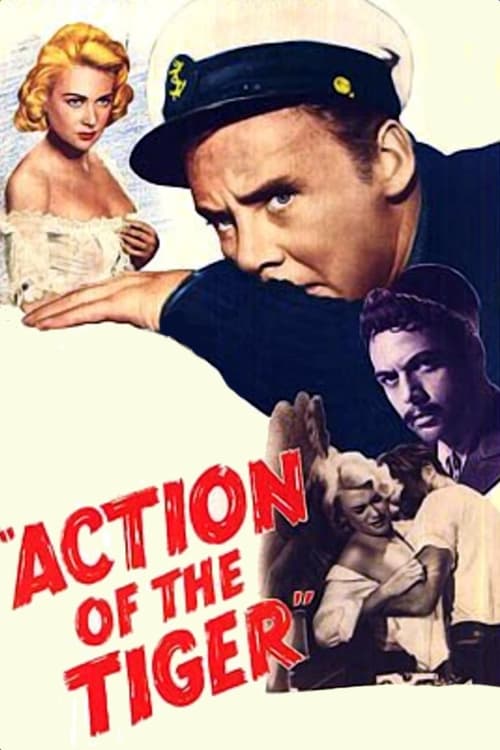
1957

1954
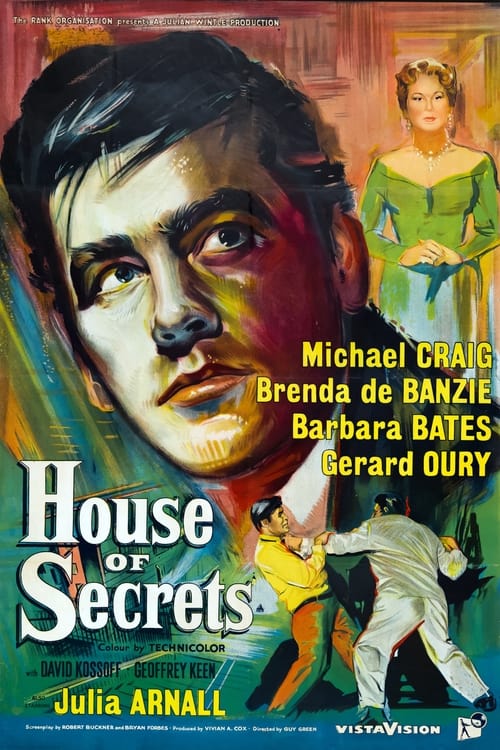
1956
No reviews yet. Be the first to share your thoughts on this movie!
Use the rating form above to leave a star rating and optional review.