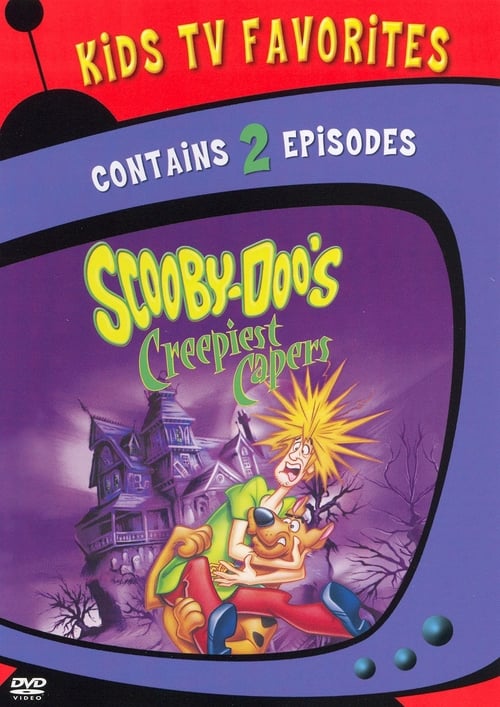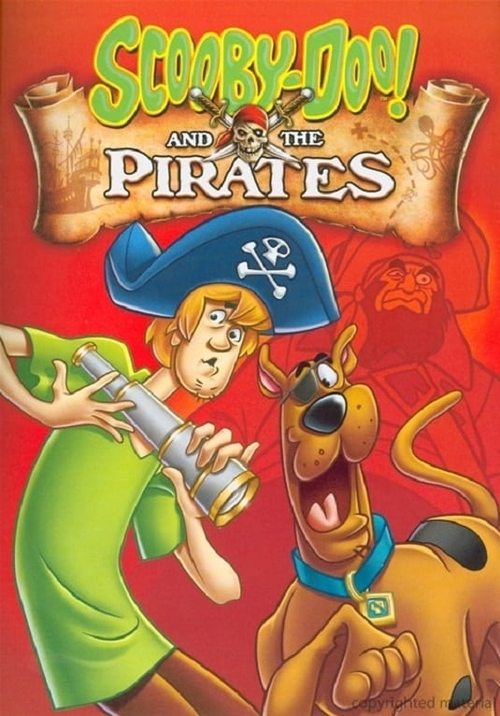
Scooby-Doo! and the Pirates
2011
No user ratings available yet
Diversity score: 3.0 out of 10

1972
TV-GDirector
Joseph Barbera, William Hanna
Runtime
41 minutes
Average Rating
No ratings yetSynopsis
With the Mystery Machine stuck in mud, Mystery Inc. ends up becoming housekeepers for the Addams Family while Gomez and Morticia go on vacation to the Okefenokee Swamp. A giant vulture like super villain known as the Vulture threatens the Addams house and Wednesday goes missing, so Scooby and the gang go to find her and stop the Vulture.
Overall Score
Limited
Category Breakdown
LGBTQ+ Representation
The film operates within a strictly heteronormative framework. No non-cisnormative identities or same-sex relationships are depicted, as character dynamics focus on established romantic pairings.
Gender Representation
While the Scooby-Doo cast follows traditional 1970s archetypes, the Addams Family subverts these norms. Gomez and Morticia exhibit an egalitarian devotion that challenges standard domestic hierarchies.
Racial & Ethnic Diversity
The animation reflects the demographic homogeneity of 1972 mainstream television. The cast lacks significant racial diversity, focusing instead on the stylistic contrast between the two families.
Religious & Cultural Diversity
The Addams Family serves as a celebration of the unconventional and the macabre. This counter-culture depiction implicitly critiques the rigidity of mainstream social standards.
Disability Representation
There is no central focus on disability or neurodivergence. The Addams' eccentricities are treated as stylistic character traits rather than explorations of lived experience.
Strengths
Areas for Improvement
AI Analysis
This crossover special thrives on the friction between the conventional mystery-solving tropes of Mystery Inc. and the non-conformist domesticity of the Addams Family. The Addamses act as a narrative catalyst, disrupting the standard social order through their celebration of the macabre. However, the production is heavily constrained by the era's limitations. It lacks meaningful racial and LGBTQ+ representation, adhering to the demographic homogeneity typical of 1970s American animation. Ultimately, the film's strength lies in its cultural subversion. By framing the 'frightening' as a source of familial joy, it provides a subtle critique of mainstream social norms despite its limited scope.
No reviews yet. Be the first to share your thoughts on this movie!
Use the rating form above to leave a star rating and optional review.