
Black Book
2006
No user ratings available yet
Representation score: 5.8 out of 10
Representation Score
Minimal
2011
PG-13Director
Peter C. Spencer
Runtime
102 minutes
Average Rating
No ratings yetNew Showbiz Analysis
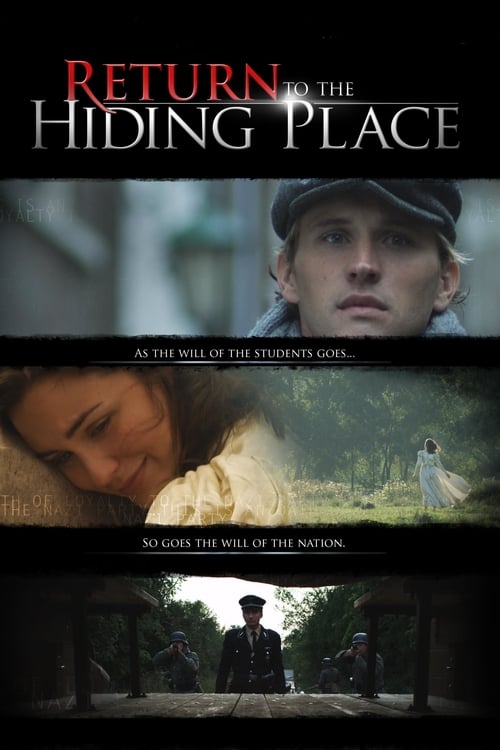
Return to the Hiding Place is a traditional historical film that emphasizes moral courage over demographic diversity. It serves as a critique of state-mandated fascism, using the ten Boom family's resistance as its main storyline. The film highlights the importance of individual ability to act against oppressive regimes. It underscores the role of religious and familial structures in guiding ethical behavior during wartime. However, the film does not incorporate modern diversity markers. It adheres to a specific historical and religious perspective that does not explore non-traditional identities.
Category Breakdown
The film does not include any LGBTQ+ characters or narratives. The social setting mirrors the mid-20th-century European context.
Corrie ten Boom and her female relatives play key roles in organizing resistance efforts. This turns traditional domestic duties into high-risk political activities.
The cast is primarily white, reflecting the historical context of the Dutch resistance. However, the story focuses on protecting Jewish characters from systemic oppression.
The moral framework is rooted in Christian ethics and traditional religious values. The film emphasizes a singular religious morality as the driving force behind the characters' actions.
There is no significant depiction of physical or neurodivergent disabilities in the film.
Present on Screen
Limited or Absent
Official Synopsis
When a young resistance fighter witnesses atrocities towards the Jews, he's drawn into a web of espionage and clandestine activities. When he meets a young physics students and resistance journalist - Hans Poley - they embark on a hunt through underground tunnels, Gestapo hijacks and daring rescues.
2006

2024

1975

2014
1962

1945
2018

1959
No reviews yet. Be the first to share your thoughts on this movie!
Use the rating form above to leave a star rating and optional review.