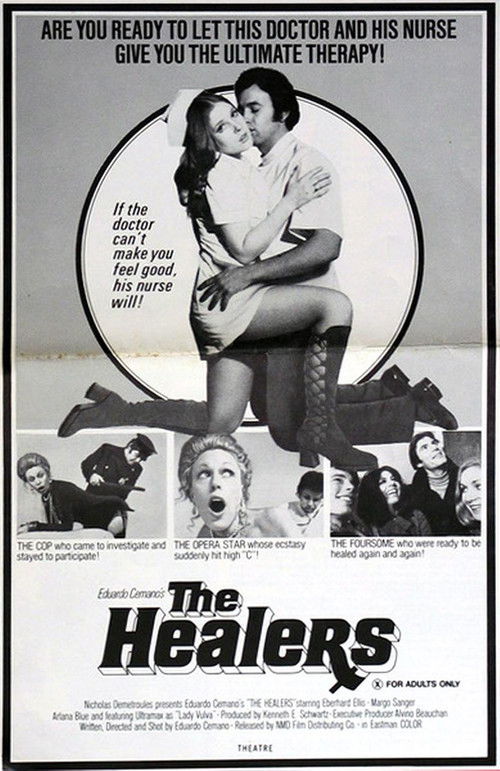
The Healers
1972
No user ratings available yet
Representation score: 3.9 out of 10
Representation Score
Good
2011
RDirector
Tanya Wexler
Runtime
100 minutes
Average Rating
No ratings yetNew Showbiz Analysis
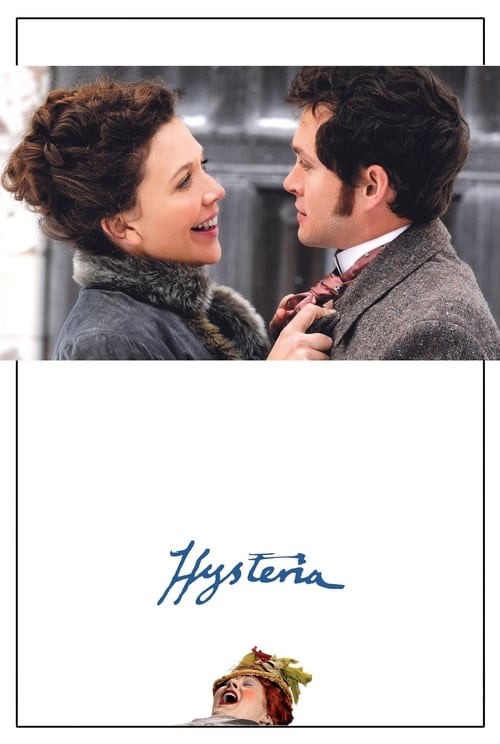
Hysteria is a revisionist comedy that deconstructs the medicalization of the female body. By focusing on the invention of the vibrator, the film shifts power from a patriarchal establishment to female subjects, granting them significant physical and intellectual control. However, the film's impact is limited by its narrow demographic scope. The historical context restricts the narrative to a predominantly white and heterosexual framework, lacking diverse racial and LGBTQ+ representation. Overall, the film is a strong critique of institutional control and gendered repression, though it remains limited in its broader social representation.
Category Breakdown
The film focuses on heterosexual relationships and lacks significant depictions of LGBTQ+ identities or queer narratives. It does not include characters with diverse sexual orientations or gender identities.
The narrative challenges the era's view of women as passive patients by showing women taking control of their bodies and lives. It highlights their intellect and autonomy, subverting the traditional gender roles of the time.
The cast is predominantly white, reflecting the demographic homogeneity of Victorian England. The film does not feature characters from diverse racial or ethnic backgrounds.
The film critiques the rigid social and religious norms of Victorian society, emphasizing the importance of bodily autonomy and scientific progress over traditionalist doctrines.
The story critiques how medical institutions historically diagnosed and treated 'hysteria' among women. However, it does not provide nuanced portrayals of characters with contemporary physical or neurodevelopmental disabilities.
Present on Screen
Limited or Absent
Official Synopsis
Two doctors in Victorian England use manual stimulation of female genitalia to cure their patients' ills, leading to the invention of the vibrator.
1972
2005

2017
1996
2017

2010

2002
2020
No reviews yet. Be the first to share your thoughts on this movie!
Use the rating form above to leave a star rating and optional review.