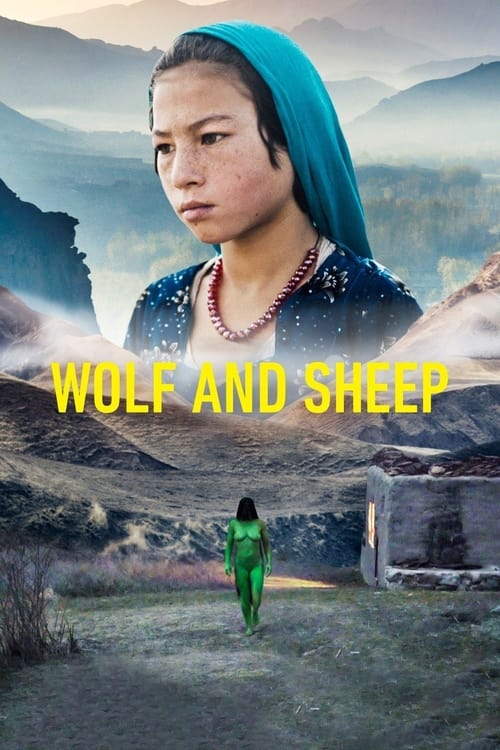
Wolf and Sheep
2016
No user ratings available yet
Representation score: 6.5 out of 10

Representation Score
Fair
2023
Director
Amir Toodehroosta
Runtime
91 minutes
Average Rating
No ratings yetNew Showbiz Analysis
Numb uses the microcosm of a kindergarten to explore social structures through the eyes of a child. By focusing on the period before strict educational segregation in Iran, the film highlights a temporary disruption of traditional gendered conditioning. The film's strength lies in its observational storytelling and its ability to critique institutional norms via a non-adult lens. It moves away from idealized social orders to examine the complexities of real life. While the film offers a strong localized cultural critique, it lacks specific representation regarding LGBTQ+ identities or disability, leaving those dimensions unexplored.
Category Breakdown
The film does not explicitly depict LGBTQ+ identities. However, the kindergarten setting offers a unique space where boys and girls interact freely before strict social segregation begins.
By focusing on a co-educational environment, the film challenges systemic gender separation. It provides a nuanced look at socialization before institutional norms become strictly defined.
The production offers a localized Iranian perspective that diverges from Western-centric norms. Although the cast appears ethnically homogeneous, it provides deep insight into specific regional social dynamics.
The narrative critiques restrictive national institutions by framing the school as a fleeting moment of freedom. It deconstructs monolithic social orders through the pupils' complex lives.
There is no evidence of characters with visible or invisible disabilities within the current narrative description.
Present on Screen
Limited or Absent
Official Synopsis
This time the action is restricted to a kindergarten, a world seemingly far removed from real life in Iran. Pre-school is the first and last time boys and girls can learn together freely before entering the strictly segregated education system. Much like the dog in Toodehroosta’s well received first feature Paat (2013), six-year-old Roham plays the often silent witness to the actions unfurling around him. As his curiosity grows, the complicated real lives of the other pupils start to unravel.
2016
2000
2024
2004

2017
2020

2017

2011
No reviews yet. Be the first to share your thoughts on this movie!
Use the rating form above to leave a star rating and optional review.