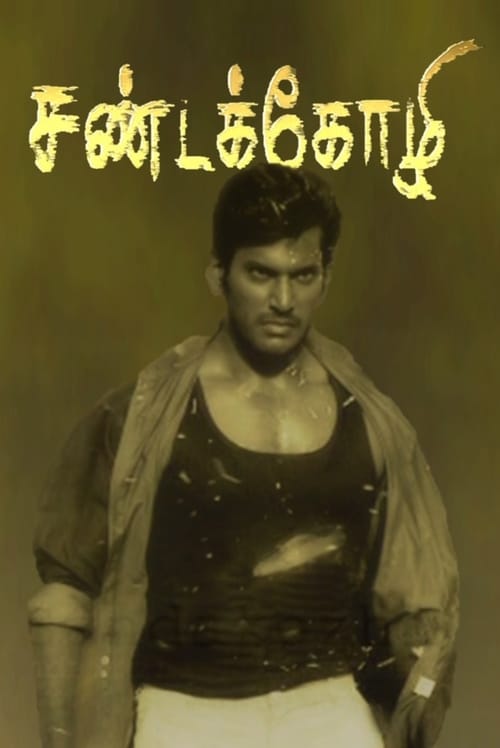
Sandakozhi
2005
No user ratings available yet
Diversity score: 3.0 out of 10
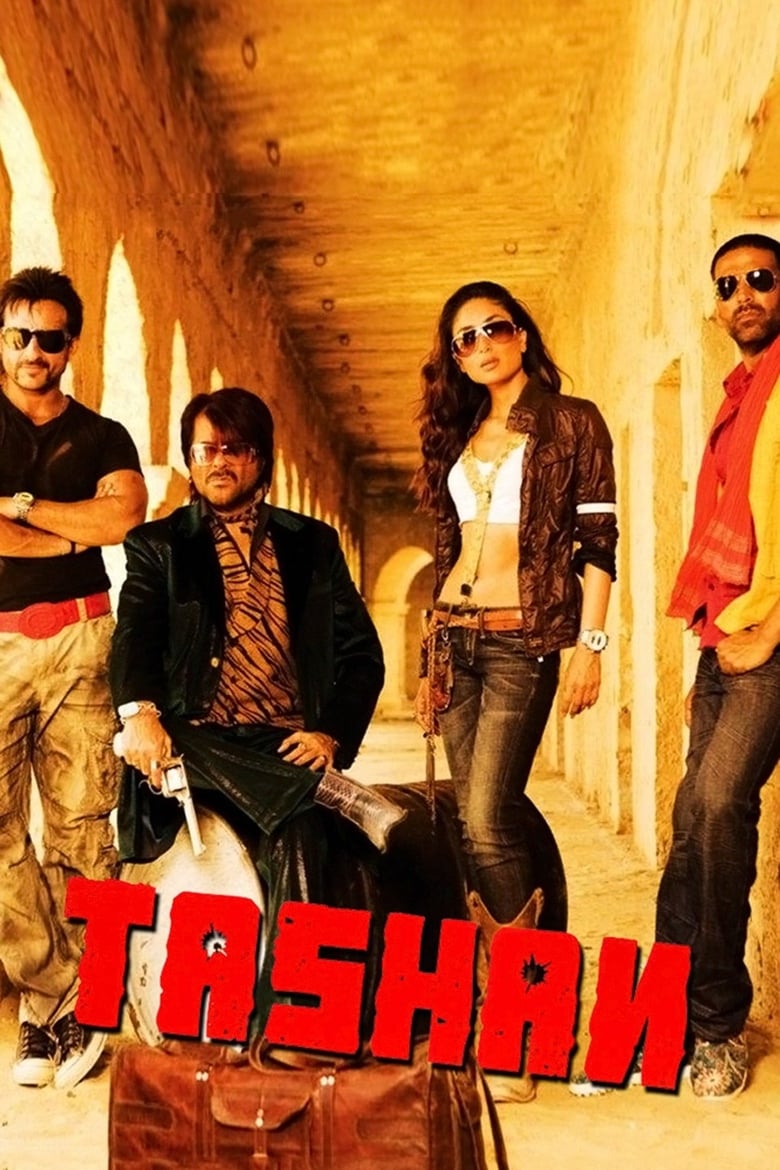
2008
Not RatedDirector
Vijay Krishna Acharya
Runtime
148 minutes
Average Rating
No ratings yetSynopsis
Jeetendra Kumar Makwana is employed full-time at a Call Center and works part-time teaching English. He is recruited by an attractive young woman, Pooja, to teach her Hinglish-speaking boss, Bhaiyaji, English. Jeetendra agrees to do so, falls in love with Pooja, and joins forces with her to steal a bag containing 25 Crore Rupees in cash. He will soon find out that Bhaiyaji is a hoodlum and extortionist known to the Police as Lakhan Singh.
Overall Score
Limited
Category Breakdown
LGBTQ+ Representation
The film adheres to a strictly heteronormative romantic structure. The central conflict relies on a traditional love triangle without any presence of same-sex intimacy or non-cisnormative identities.
Gender Representation
Pooja occupies a central romantic role, yet her agency remains tethered to male rivalries. The narrative reinforces traditional gender hierarchies rather than presenting female intellect as a primary driver.
Racial & Ethnic Diversity
The film centers South Asian actors within a London setting, avoiding whitewashing. However, it presents a glamorous, middle-class diaspora experience rather than exploring deep ethnic or intersectional identities.
Religious & Cultural Diversity
This stylized entertainer prioritizes escapism over systemic critique. It presents a polished, consumerist version of London that avoids engaging with anti-Western narratives or challenging traditional social hierarchies.
Disability Representation
There is no representation of physical or invisible disabilities. The character arcs do not engage with neurodivergence or physical impairment in any capacity.
Strengths
Areas for Improvement
AI Analysis
Tashan functions as a quintessential commercial entertainer that prioritizes genre tropes like romance and stylized action over social deconstruction. While it successfully places South Asian characters in a Western urban environment, it does so through a lens of middle-class affluence and aspirational aesthetics. The film relies heavily on conventional character archetypes and traditional social structures. This approach ensures mass appeal but results in a narrative that avoids post-colonial critique or the subversion of established gender and cultural hierarchies.
2005
1992
2007

2013

2021
2012
2008
1999
2007

2010

2011
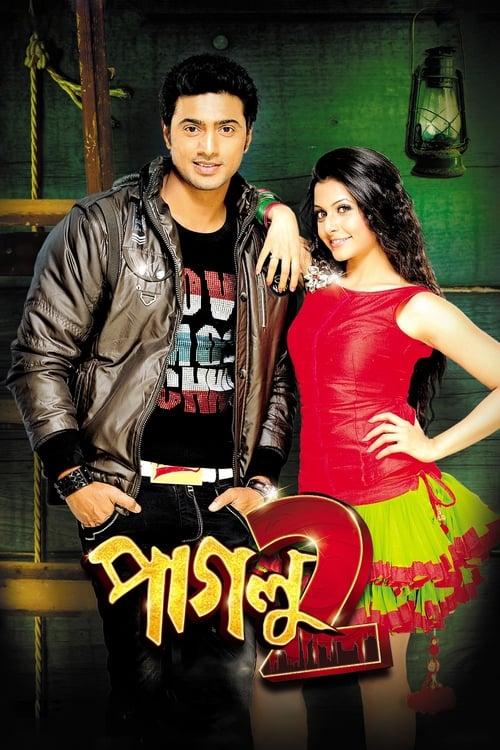
2012
No reviews yet. Be the first to share your thoughts on this movie!
Use the rating form above to leave a star rating and optional review.