
Fancy Dance
1989
No user ratings available yet
Representation score: 5.5 out of 10
Representation Score
Fair
2014
Director
Masayuki Suō
Runtime
135 minutes
Average Rating
No ratings yetNew Showbiz Analysis
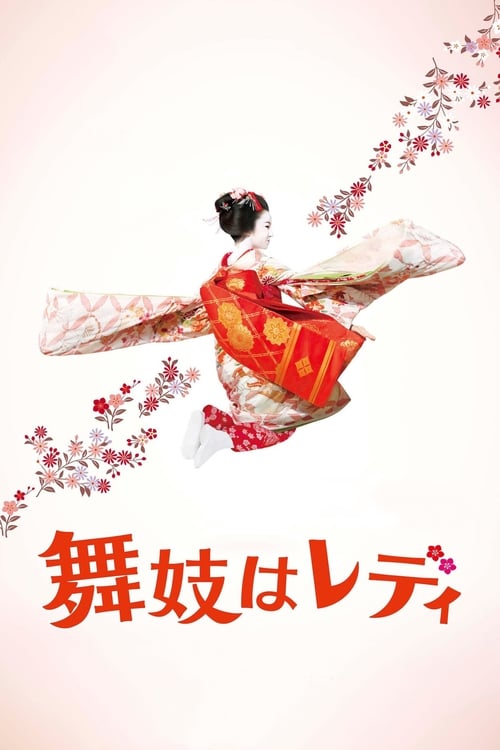
Lady Maiko is a character-driven story about professional success and social advancement. It successfully challenges traditional class hierarchies by turning the protagonist's regional accent and lack of formal education into advantages. Though the film does not engage with LGBTQ+ issues or diverse racial backgrounds, it offers a detailed look at Japanese regional identity. The tension between tradition and modernity enriches the exploration of cultural nuances. Overall, the film emphasizes individual empowerment through personal background and cultural heritage, rather than broad demographic representation.
Category Breakdown
The film does not include any explicit LGBTQ+ characters or stories focused on queer relationships. The narrative stays within a heterosexual framework.
Haruko, the main character, is a strong and ambitious woman who pursues a demanding career traditionally dominated by men. She actively challenges passive female stereotypes.
The film is set in a culturally homogenous Japanese environment, focusing on regional differences between rural and urban areas. It does not explore multi-ethnic diversity.
The story examines the contrast between traditional maiko customs and modern intellectual pursuits. It highlights how regional dialects can be seen as strengths rather than barriers.
There are no characters in the film who have physical, cognitive, or mental health disabilities.
Present on Screen
Limited or Absent
Official Synopsis
Country bumpkin Haruko only ever wanted to become a maiko, an apprentice geisha. Initially rebuffed for lack of references, Haruko's strong accent intrigues a linguistics professor, who undertakes to coach her.
1989

2018
2016
1996
1987
2008
2007

1961
No reviews yet. Be the first to share your thoughts on this movie!
Use the rating form above to leave a star rating and optional review.