
Kebab extra scharf!
2017
No user ratings available yet
Diversity score: 5.0 out of 10

2011
Director
Wolfgang Murnberger
Runtime
90 minutes
Average Rating
No ratings yetSynopsis
Johann Stanzerl sees himself surrounded. All other business premises in his Viennese district are already in Turkish hands. Only his beloved café "Prinz Eugen", named after the famous general who prevented the Turks from taking Vienna, is still resisting with its regular Austrian customers.
Overall Score
Fair
Category Breakdown
LGBTQ+ Representation
The film provides no explicit mention of LGBTQ+ characters or themes. There is currently no evidence regarding non-heteronormative identities or related tropes.
Gender Representation
The narrative centers on Johann Stanzerl, a male proprietor fighting to maintain his legacy. Without further details on female agency, the structure appears traditionally male-centric.
Racial & Ethnic Diversity
The plot is driven by the ethnic shift in a Viennese district, featuring both Austrian and Turkish identities. It acknowledges a diverse commercial landscape through its central conflict.
Religious & Cultural Diversity
The story explores the friction between historical Western identity and modern immigrant-driven shifts. It focuses on the defense of traditional institutions and historical legacies.
Disability Representation
There is no information available regarding the inclusion of characters with physical or neurodivergent disabilities.
Strengths
Areas for Improvement
AI Analysis
Kebab mit Alles functions as a social comedy exploring the demographic shifts in contemporary Vienna. The narrative uses the tension between traditional Austrian culture and a growing Turkish presence to drive its plot. While the film acknowledges ethnic diversity by making it the catalyst for the story, the framing leans toward cultural resistance. The protagonist's struggle to preserve a specific historical legacy suggests a focus on traditionalist perspectives rather than multicultural integration. Ultimately, the film serves as a study of cultural displacement. It highlights the changing face of a neighborhood but lacks evidence of intersectional empowerment or the subversion of established social hierarchies.
2017

2011

2017

2012
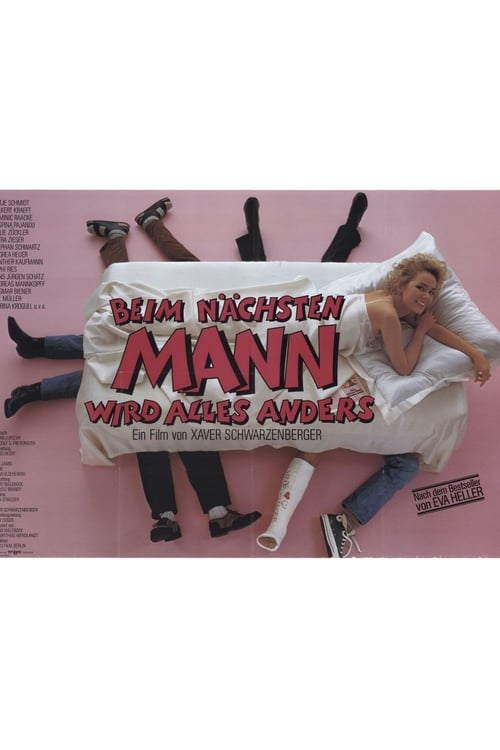
1989
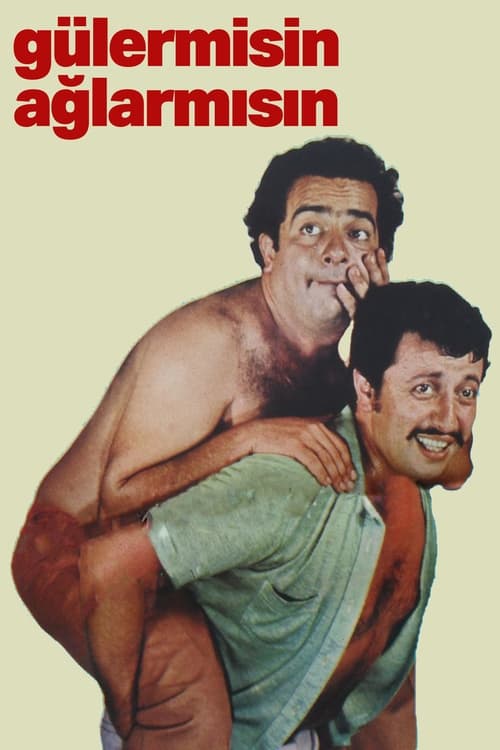
1975

2016
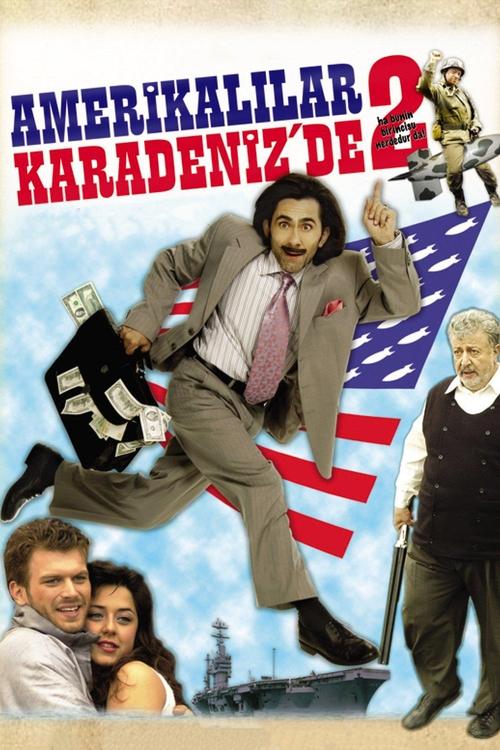
2007
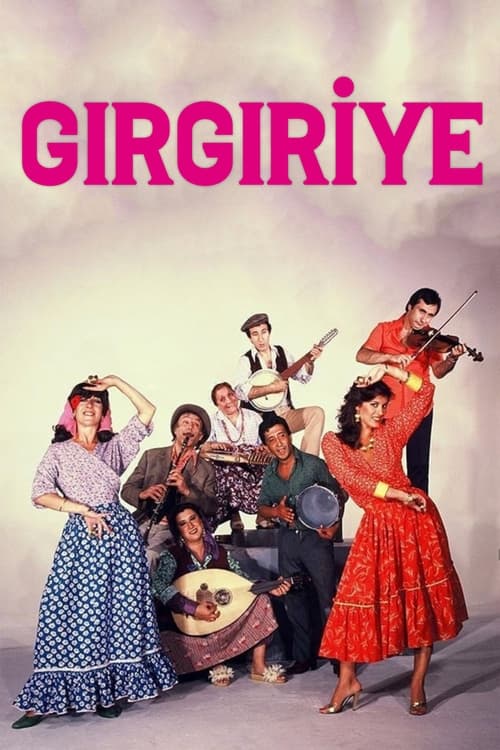
1981

2018
1978

2016
No reviews yet. Be the first to share your thoughts on this movie!
Use the rating form above to leave a star rating and optional review.