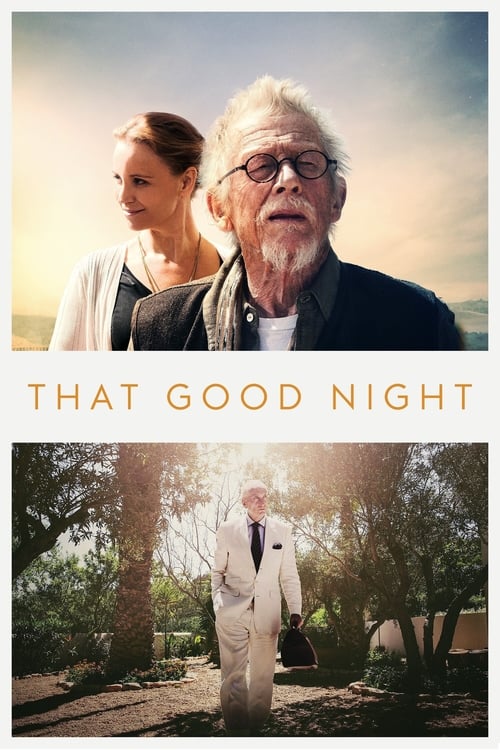
That Good Night
2017
No user ratings available yet
Representation score: 5.7 out of 10
Representation Score
Minimal
2026
RDirector
Joe Brooks
Average Rating
No ratings yetNew Showbiz Analysis
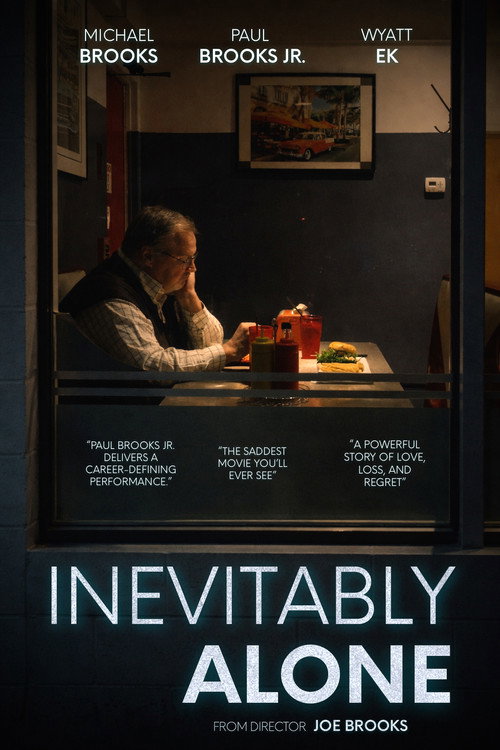
Inevitably Alone presents a tightly focused, male-centered drama. The father’s terminal cancer anchors the story, making disability representation the most substantive element. Yet the absence of women, LGBTQ+ characters, and clear racial or cultural context narrows its representational scope. The film’s emotional power lies in its exploration of grief and estrangement. However, its narrow casting and lack of diverse perspectives limit its broader social resonance. The narrative feels insular, reflecting a specific family dynamic without extending outward. With minimal evidence beyond the synopsis, the assessment remains cautious. The film’s strengths are thematic, not representational. Its diversity score reflects this imbalance.
Category Breakdown
No LGBTQ+ characters appear or are identified. The narrative centers on a father and his sons, with no same-sex relationships or non-binary identities present in the available material.
The story focuses entirely on male characters—a father and his estranged sons. No women are mentioned in the plot, indicating a male-only core cast.
No racial or ethnic details are provided for any characters. The cast composition cannot be determined from the current evidence.
The film centers on personal grief and family estrangement rather than broader cultural or institutional critique. No specific religious or political framing is evident.
The main character’s terminal cancer diagnosis places illness at the narrative’s core. This condition directly drives the plot and shapes character motivations.
Present on Screen
Limited or Absent
Official Synopsis
When a grieving father is diagnosed with terminal cancer, his desperate attempts to reconnect with his estranged sons force them all to confront the weight of loss, love, and the inevitability of being left behind.
2017

1989
2025
2025

2026

2005
2007

2016
No reviews yet. Be the first to share your thoughts on this movie!
Use the rating form above to leave a star rating and optional review.