
Vipers
2008
No user ratings available yet
Representation score: 1.9 out of 10
Representation Score
Fair
2005
RDirector
Tibor Takács
Runtime
92 minutes
Average Rating
No ratings yetNew Showbiz Analysis
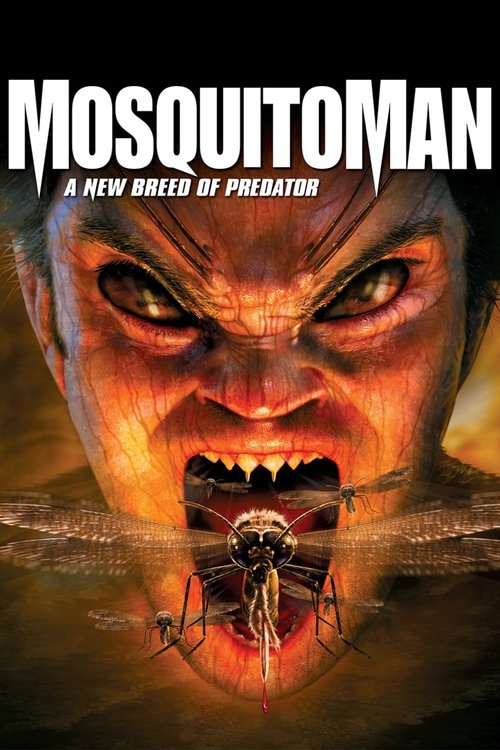
Mosquito Man adheres to typical mid-2000s B-movie horror conventions, emphasizing genre excitement over social commentary. The narrative relies on traditional archetypes, such as the male detective driving the plot and the female professional serving as a vulnerable catalyst. Representation is constrained by a lack of depth in addressing multiple aspects of identity. The film upholds existing hierarchies through its casting and focus on Western institutional structures, offering minimal disruption to conventional norms. Ultimately, the film serves as a straightforward science-fiction thriller. It employs biological mutation as a device for horror rather than exploring identity, resulting in a narrow and traditional viewing experience.
Category Breakdown
The film focuses on a typical heterosexual relationship between Thom Randall and Jennifer Allen. It does not include any non-conforming gender identities or critiques of heterosexuality.
Dr. Jennifer Allen holds a position of professional authority as a researcher, but her character arc revolves around physical vulnerability and serving as a catalyst for the male protagonist.
The cast appears to be predominantly white, following the standard casting practices of North American television during that time period. There is no indication of racial integration or diverse ethnic perspectives.
The storyline operates within a Western framework centered on law enforcement and pharmaceutical companies. It emphasizes institutional stability without challenging existing social or economic hierarchies.
Biological mutations are portrayed as monstrous threats rather than lived experiences. These transformations are depicted as catastrophic events rather than nuanced representations of disability.
Present on Screen
Limited or Absent
Official Synopsis
Police lieutenant detective Thomas 'Thom' Randall's steady girl-friend, Dr. Jennifer 'Jen' Allen, is Dr. Aaron Michaels's main assistant on his pharmaceutical firm Bellion's research program to cure the highly contagious, fatal infection Guinin. A convicted murderer, whom Thom arrested, is one of their special drug test subjects, but escapes. The convict and Jen are affected by radioactively altered DNA from an experimental reactor used on mosquitoes which transfer quinine. The convict soon mutates into a mosquito-like monster, which sucks its victims dry. By the time Thom and his junior murder brigade partner Charlie Morrison figure out what happens, Jen starts mutating herself.
2008
1954

2005
1977

2004
1975
1998
1997
No reviews yet. Be the first to share your thoughts on this movie!
Use the rating form above to leave a star rating and optional review.