Native Sun
2011
No user ratings available yet
Representation score: 6.1 out of 10
Representation Score
Fair
2001
Director
Stephen Johnson
Runtime
88 minutes
Average Rating
No ratings yetNew Showbiz Analysis
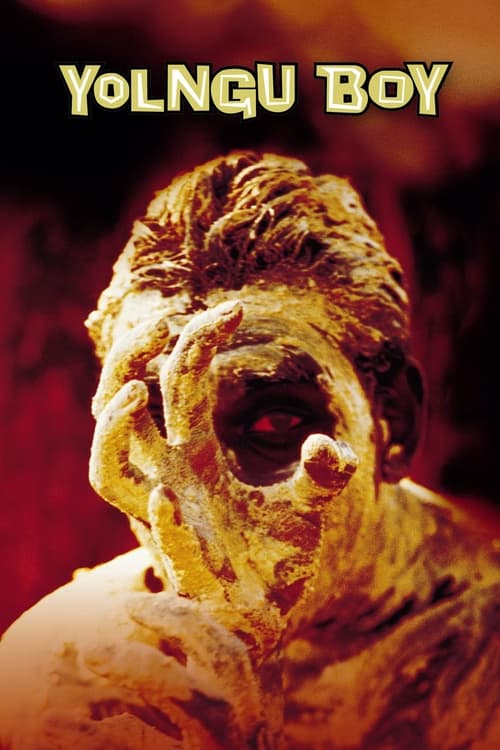
Yolngu Boy is a significant work of post-colonial cinema that challenges Western-centric storytelling. It centers Indigenous ability to act and critiques the systemic displacement caused by Western institutions. The film excels in racial and cultural authenticity, presenting an Indigenous worldview as the primary narrative lens. This approach disrupts conventional cinematic expectations and avoids common clichés. However, the film lacks representation for LGBTQ+ identities and disability. While it provides a nuanced look at masculinity, the scope remains focused on specific communal and cultural tensions.
Category Breakdown
The film lacks LGBTQ+ characters or narratives. The story focuses exclusively on the protagonist's cultural and developmental journey within his community.
The narrative examines adolescent masculinity and the tension between Yolngu traditions and Western social structures. It explores how gendered expectations are negotiated during the transition to manhood.
The film centers an almost entirely Indigenous cast, avoiding the white savior cliché. It presents an Indigenous worldview as the primary lens, giving high ability to act to Yolngu characters.
The story critiques colonial imposition by highlighting tensions between traditional law and Western systems. It validates traditional spiritualities over Western secular or Christian frameworks.
No depictions of physical or neurodivergent disabilities are central to the narrative arc.
Present on Screen
Limited or Absent
Official Synopsis
After committing a crime for which he is likely to be jailed, a Yolngu teenager convinces two of his childhood friends to join him on a journey from North East Arnhem Land to Darwin to seek help from a tribal leader.
2011
2016
2012
2013
1960
2002

2011
2014
No reviews yet. Be the first to share your thoughts on this movie!
Use the rating form above to leave a star rating and optional review.