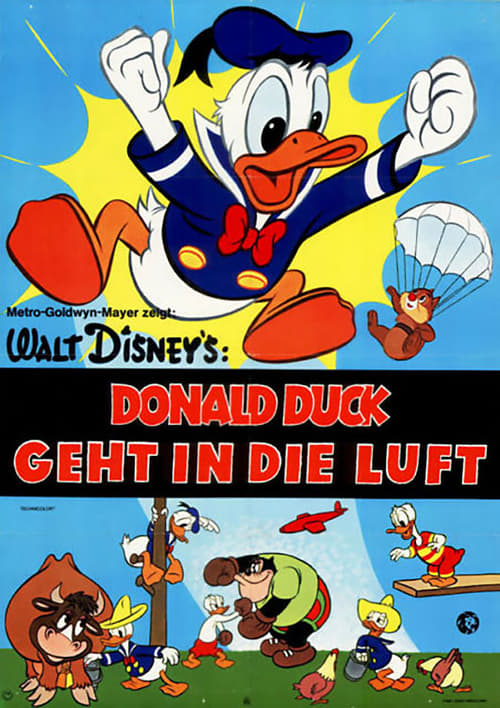
Donald Duck and his Companions
1960
No user ratings available yet
Diversity score: 2.0 out of 10
2006
TV-GDirector
Michael Hegner, Karsten Kiilerich
Runtime
90 minutes
Average Rating
No ratings yetSynopsis
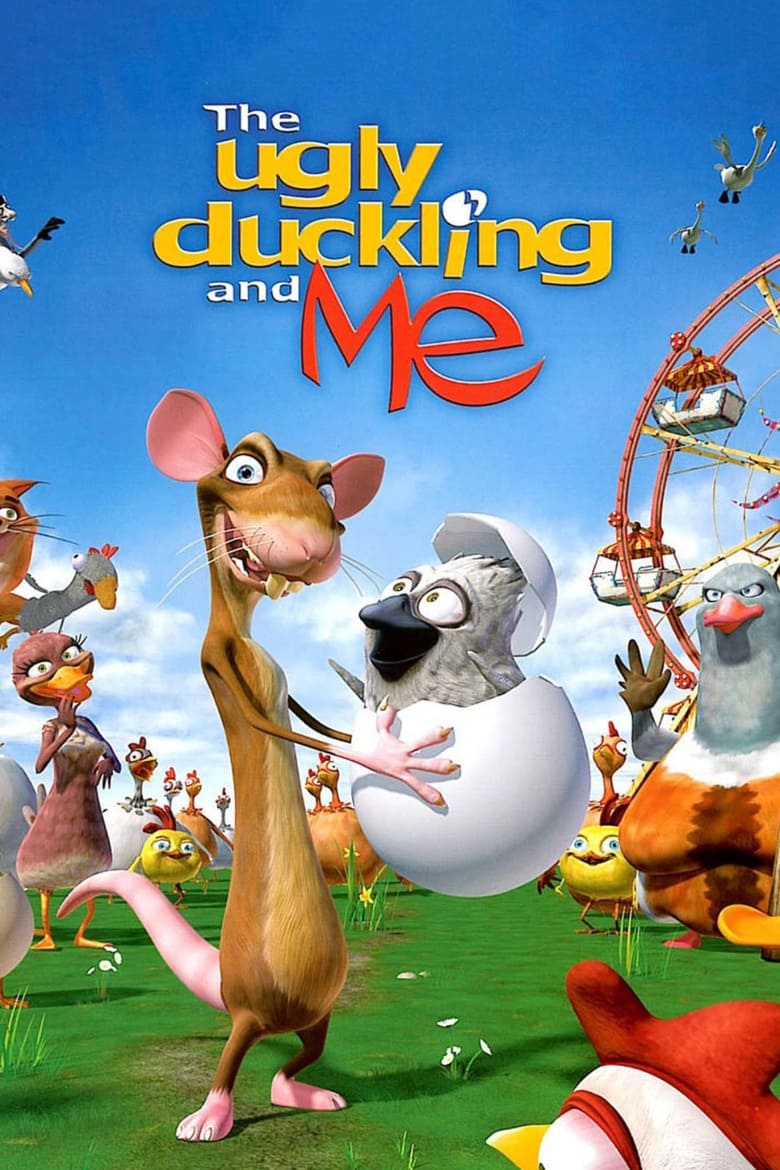
The Hans Christian Anderson tale gets a new treatment, this time with a rat trying to exploit the talents of a little ugly duckling for profit.
Overall Score
Limited
Category Breakdown
LGBTQ+ Representation
The film contains no LGBTQ+ characters or explorations of non-cisnormative identities. Social dynamics remain confined to standard anthropomorphic archetypes.
Gender Representation
Character dynamics follow conventional animated tropes and traditional narrative roles. The film lacks a significant subversion of traditional gender hierarchies.
Racial & Ethnic Diversity
The use of anthropomorphic animals precludes racial or ethnic representation. The setting functions as a homogenous biological environment without diverse cultural expression.
Religious & Cultural Diversity
The story operates within a traditional moral framework centered on perseverance. It does not engage in critiques of Western institutions or organized religion.
Disability Representation
The protagonist's appearance serves as a metaphor for social alienation. However, the narrative relies on a traditional transformation arc rather than nuanced agency.
Strengths
Areas for Improvement
AI Analysis
The film functions as a conventional character-driven fable that prioritizes traditional storytelling over progressive narrative disruption. It relies on established coming-of-age tropes rather than challenging systemic hierarchies. While the protagonist's struggle with being 'ugly' touches on themes of physical difference, the story ultimately leans into a standard transformation arc. This approach frames the character's initial state as a problem to be solved through appearance changes. Because the cast is entirely anthropomorphic, the film lacks the framework for racial, ethnic, or intersectional representation. It remains a localized, fable-like morality tale with limited social complexity.
1960

2017
1934
2008
2014
1939
2007

2014
2011
2022
2010

2008
No reviews yet. Be the first to share your thoughts on this movie!
Use the rating form above to leave a star rating and optional review.