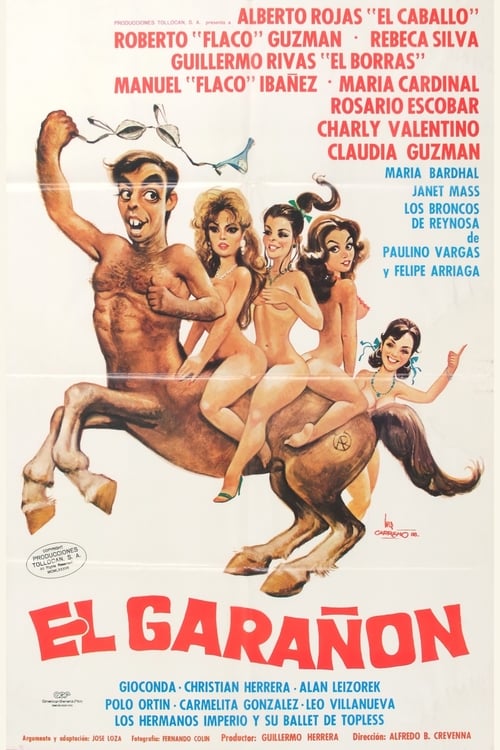
El garañón
1989
No user ratings available yet
Representation score: 2.3 out of 10

Representation Score
Limited
1979
Director
Ignacio F. Iquino
Average Rating
No ratings yetNew Showbiz Analysis
La basura está en el ático is a product of its specific cinematic era and genre constraints. As an erotic comedy from 1979, it prioritizes genre clichés over multi-layered representation. The film reflects the demographic and social limitations of the Spanish film industry during the transition from the Franco era. It lacks the intentionality required for modern progressive representation. While the work may have challenged certain social taboos through its eroticism, it does not provide documented complexity regarding diverse identities or broader social critiques.
Category Breakdown
The film does not include any LGBTQ+ characters or narratives. It seems to follow the assumption that everyone is straight or cisgender, which is typical of late-70s Spanish erotic comedies.
As an erotic comedy, the film likely centers on the female form or women's ability to drive the story. However, it remains unclear if it challenges traditional patriarchal gender hierarchies.
The production reflects a homogeneous Mediterranean demographic common to the era. There is no evidence of diverse racial or ethnic casting.
The film likely explores the tension between traditional Spanish values and post-Franco liberalization. It focuses on interpersonal dynamics rather than broader social critiques.
There is no documented evidence regarding the inclusion of characters with physical or neurodivergent disabilities.
Present on Screen
Limited or Absent
1989

1971
1990
1988
1971
1977
1989
1979
No reviews yet. Be the first to share your thoughts on this movie!
Use the rating form above to leave a star rating and optional review.