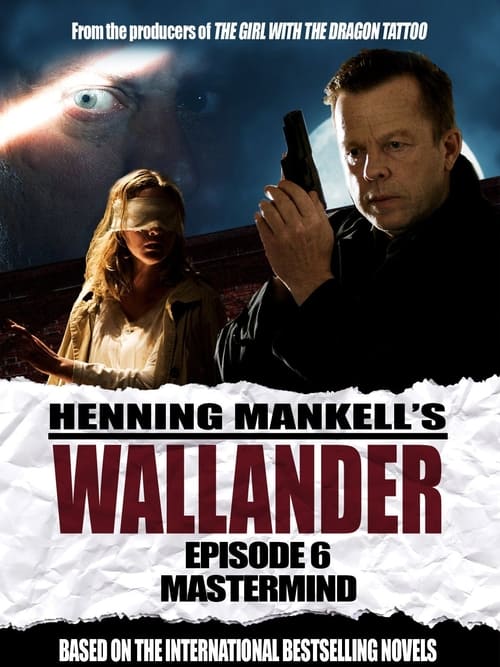
Wallander: Mastermind
2005
No user ratings available yet
Representation score: 2.4 out of 10

Representation Score
Limited
2005
Not RatedDirector
Jørn Faurschou
Runtime
90 minutes
Average Rating
No ratings yetNew Showbiz Analysis
Wallander: The Brothers functions as a quintessential Scandinavian Noir, prioritizing atmospheric tension and procedural accuracy over disrupting social hierarchies. The film relies on traditional genre conventions rather than systemic subversion. The narrative architecture is built around a homogeneous cast and a male-centric authority model. It focuses on individual criminal culpability and the restoration of order through state-sanctioned investigative processes. Ultimately, the film does not seek to challenge conventional social norms or integrate perspectives that reflect multiple aspects of identity.
Category Breakdown
The film follows traditional structures that assume everyone is straight and cisgender. There are no non-cisgender gender identities or same-sex relationships among the main characters.
Male authority is central through Commissioner Wallander and his team. Linda Wallander, as a new officer, provides a significant role in driving the story, but the overall structure remains patriarchal.
The cast is predominantly white, reflecting the Swedish setting. The narrative does not include diverse ethnic groups to challenge the status quo.
The story operates within a secular, Western framework typical of Scandinavian crime dramas. It focuses on restoring order through state processes without questioning Western institutions.
The film does not engage with visible or invisible disabilities. Characters are not used to explore neurodivergence or physical impairments.
Present on Screen
Limited or Absent
Official Synopsis
In the third Wallander film, starring Krister Henriksson, a bestial double murder is investigated in which the victims have been subjected to torture and where many point to the act of revenge. Henning Mankell's sharp-eyed commissioner has the assistance of daughter Linda, newly graduated police officer, and criminal inspector Stefan Lindman.
2005

1996
2006
2010
2013
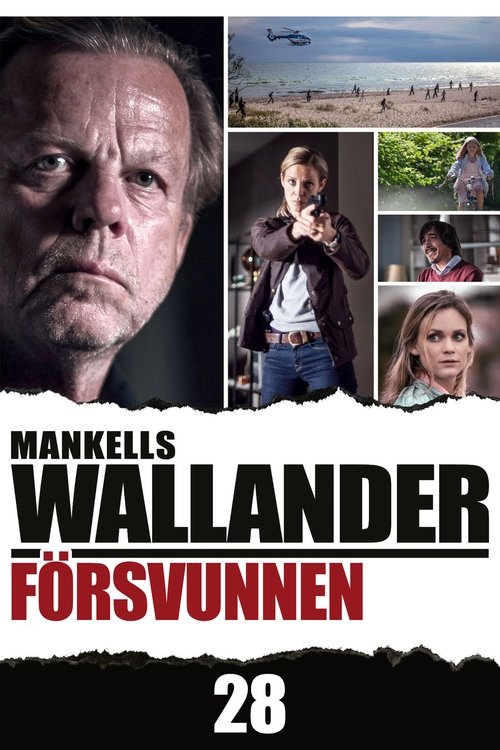
2013

2010
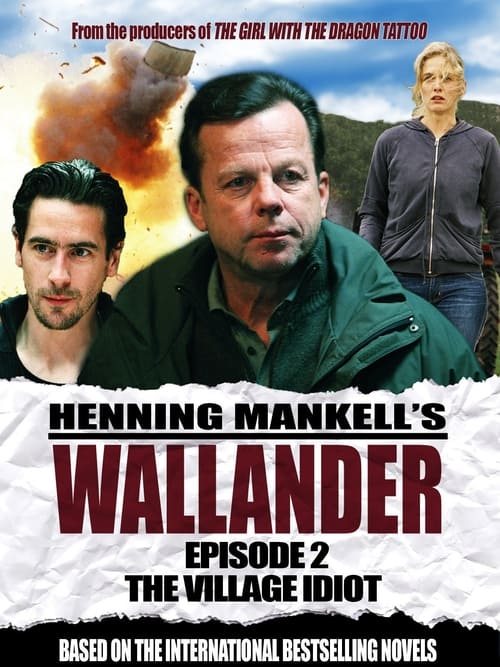
2005
No reviews yet. Be the first to share your thoughts on this movie!
Use the rating form above to leave a star rating and optional review.