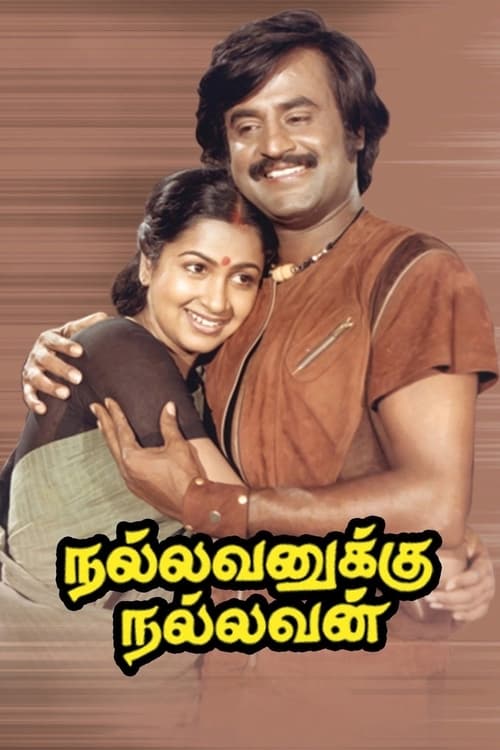
Nallavanukku Nallavan
1984
No user ratings available yet
Representation score: 1.5 out of 10
Representation Score
Limited
1986
Director
S. P. Muthuraman
Runtime
146 minutes
Average Rating
No ratings yetNew Showbiz Analysis
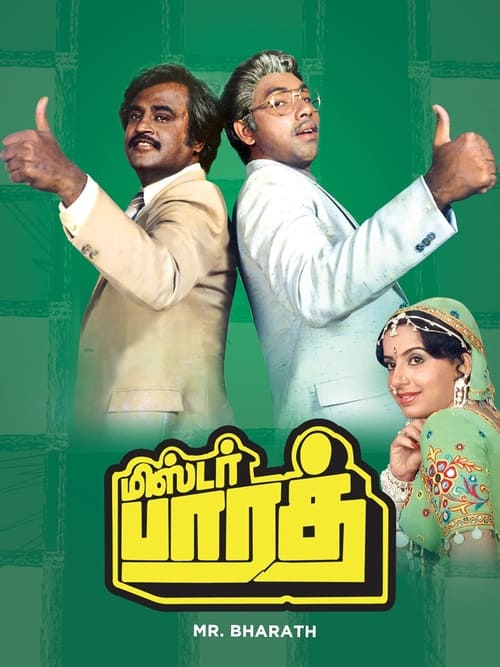
Mr. Bharath is a typical 1980s melodrama that emphasizes traditional storytelling arcs over the inclusion of diverse identities. The plot relies on well-known clichés of revenge and romantic injustice to drive the drama. The film reflects the characteristics of mid-80s commercial cinema, highlighting individual morality and familial consequences. It adheres to established genre conventions rather than attempting to challenge social hierarchies. While the film offers cultural context through its South Asian setting, it falls short in representing diverse gender roles and LGBTQ+ identities, focusing instead on a conventional heterosexual family structure.
Category Breakdown
The film focuses on heterosexual relationships and family ties, with no representation of LGBTQ+ narratives or non-cisgender identities.
The story revolves around the male protagonist's actions and his quest for vengeance. Female characters such as Shanti are portrayed mainly as victims influenced by the male characters' decisions.
The film features a predominantly South Asian cast, reflecting a culturally specific framework centered around non-Western identities. However, the specific ethnic diversity is not specified.
The melodrama upholds traditional ideas of justice and duty. It explores the consequences of neglecting romantic responsibilities, aligning with conservative social values.
There is no information about characters with physical or neurodivergent disabilities. No representation in this category is present in the narrative.
Present on Screen
Limited or Absent
Official Synopsis
Businessman Gopinath abandons Shanti, his first love, to marry a rich heiress. Later, Bharath, Gopinath and Shanti's illegitimate son, seeks revenge from him for the injustice meted out to his mother.
1984
1989
1978
1985

2006
1989

1993
1980
No reviews yet. Be the first to share your thoughts on this movie!
Use the rating form above to leave a star rating and optional review.