Little Vampire
2020
No user ratings available yet
Representation score: 7.3 out of 10
Representation Score
Excellent
2012
TV-Y7Director
Steve Ball
Runtime
45 minutes
Average Rating
No ratings yetNew Showbiz Analysis
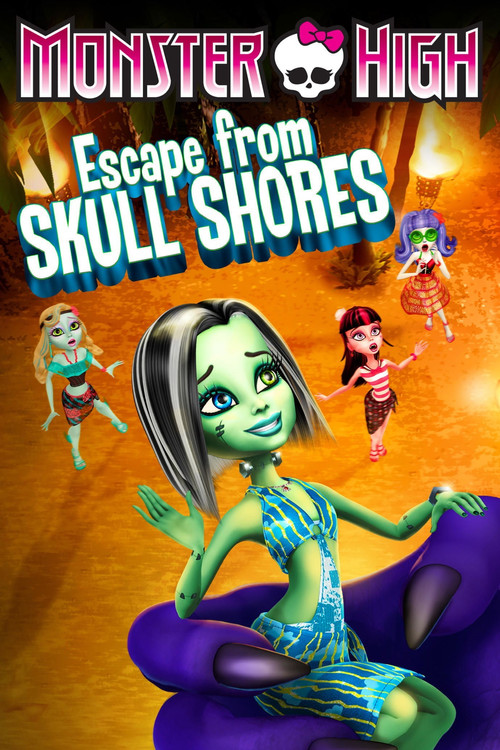
Monster High: Escape from Skull Shores uses the monster archetype to deconstruct conventional standards of normalcy. By centering a diverse ensemble of non-human protagonists, the film disrupts traditional social hierarchies and promotes radical acceptance. The narrative excels at using fantasy elements to facilitate discussions on social inclusion. It empowers characters who are inherently 'othered' by their biology, turning physical differences into strengths rather than deficits. While the film is strong in gender ability to act and allegorical diversity, it lacks overt LGBTQ+ representation and specific depictions of neurodivergence. It relies heavily on metaphor rather than explicit, granular social commentary.
Category Breakdown
The film focuses on adolescent friendship and teamwork. While it lacks explicit depictions of same-sex intimacy or non-cisgender identities, the franchise's ethos of embracing differences creates a welcoming subtext.
The narrative is notably female-centric, placing a core group of female protagonists in positions where they drive the plot through intellect and collective problem-solving. This subverts traditional passive roles.
Monster identities serve as metaphors for racial and ethnic diversity. Characters like Lagoona Blue and Clawdeen Wolf use non-human species to mirror the complexities of a multicultural society through allegory.
The film celebrates the subversion of normality by prioritizing the outsider perspective. It deconstructs dominant cultural standards by finding value in the monstrous and the othered.
Representation is primarily metaphorical, using physical differences like Frankie Stein’s stitches as visual signifiers of bodily difference. However, the film lacks granular depictions of neurodivergence or chronic illness.
Present on Screen
Limited or Absent
Official Synopsis
It's officially Spring Break at Monster High, and Lagoona takes her gilfriends across the sea to the Great Barrier Reef, but they are ship wrecked and end up on a mysterious skull shaped island. At Skull Shores, they enjoy the local hospitality until they realize that they are being used by a slippery showman named Farnum to lure the rarest, most mysterious monster of them all, "the Beast.”
2020
2004
2007
2003
2017
2011
2011
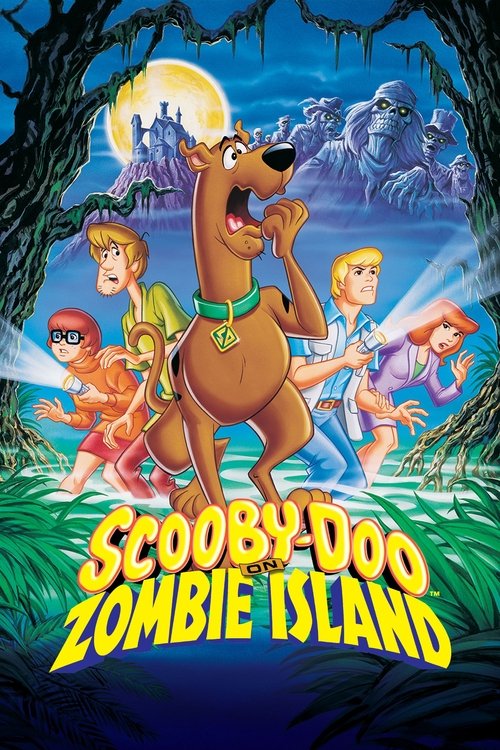
1998
No reviews yet. Be the first to share your thoughts on this movie!
Use the rating form above to leave a star rating and optional review.