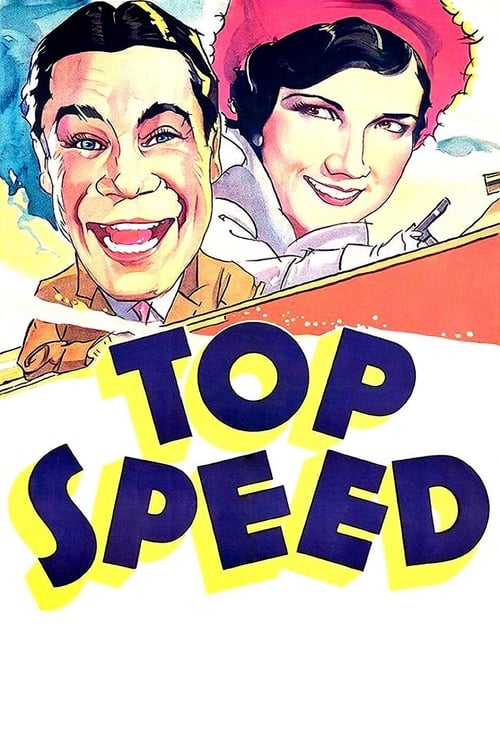
Top Speed
1930
No user ratings available yet
Representation score: 1.8 out of 10
Representation Score
Minimal
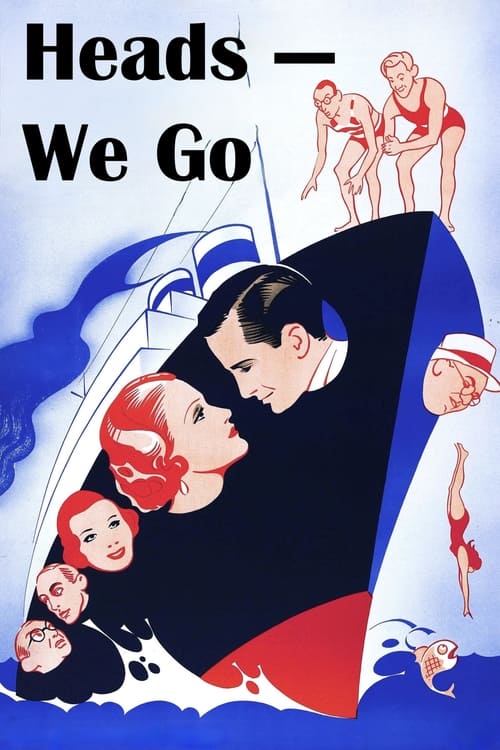
1933
PassedDirector
Monty Banks
Runtime
86 minutes
Average Rating
No ratings yetNew Showbiz Analysis
Heads We Go is a conventional early sound-era comedy centered around a mistaken identity cliché. The plot follows a model who inherits wealth and pretends to be a movie star, focusing on socioeconomic shifts rather than systemic critique. The film operates within the established social and cultural frameworks of the early 20th century. It lacks the narrative complexity needed to disrupt traditional hierarchies or offer nuanced identity politics. Ultimately, the work adheres to the comedic structures and casting norms of 1933.
Category Breakdown
The film does not depict any non-straight relationships or identities, which was typical for films made in 1933 due to industry restrictions.
The main character is a woman who rises in social status. She plays a key role in driving the story, but the plot may rely on traditional romantic comedy formulas.
The film likely reflects the homogeneous casting practices of 1930s Hollywood. There is no indication of diverse racial or ethnic representation.
The story uses Western themes of inheritance and social mobility. It celebrates the acquisition of wealth without challenging Western institutions.
There is no information about the inclusion of characters with visible or invisible disabilities.
Present on Screen
Limited or Absent
Official Synopsis
A model inherits a great deal of money and pretends to be a movie star.
1930
1926

1937
1930
1936
1934
1933
1935
No reviews yet. Be the first to share your thoughts on this movie!
Use the rating form above to leave a star rating and optional review.