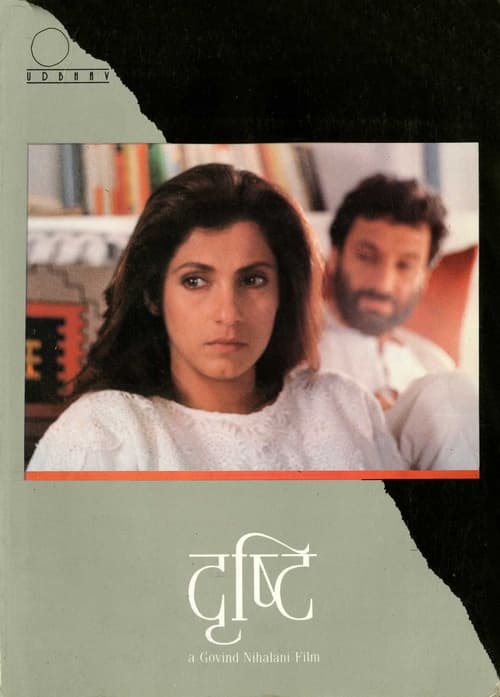
Drishti
1990
No user ratings available yet
Representation score: 7.5 out of 10
No Poster Available
Representation Score
Fair
2002
Director
Ram Madhvani
Runtime
98 minutes
Average Rating
No ratings yetNew Showbiz Analysis
Let's Talk explores the messy realities of marital infidelity and the consequences of extra-marital pregnancy. By centering the story on Radhika's internal conflict, the film moves away from idealized domestic archetypes to examine complex interpersonal ethics. While the film provides a nuanced look at women's ability to drive the story and the breakdown of traditional family structures, it remains largely confined to assumptions that everyone is straight or cisgender. The lack of diverse identity representation limits its broader social impact. Ultimately, the film succeeds as a character study of moral ambiguity within a specific cultural setting, even if it lacks broader representation of underrepresented identities.
Category Breakdown
The film centers on heterosexual relationships and does not include characters with non-cisgender identities or stories that question the assumption that everyone is straight.
Radhika is shown taking a leading role in the story through her affair and pregnancy. The film challenges the idea of a stable wife by delving into her complex moral situation.
The cast reflects a specific South Asian cultural context. It provides a localized representation without using multi-layered or non-majority casting to break norms.
The story disrupts traditional family sanctity by exploring infidelity and the breakdown of the nuclear family. It presents a nuanced, situational ethical landscape rather than an idealized model.
The film contains no mention of characters navigating physical, neurodivergent, or mental health disabilities.
Present on Screen
Limited or Absent
Official Synopsis
Radhika (Maia Katrak) has been married for over ten years to Nikhil (Boman Irani) and is having an affair for the past six months with an interior designer, Krish. Radhika is now pregnant with Krish’s child and pours out her plight to a friend, Rita (Anahita Oberoi). She mentions a particular incident where she suffered a miscarriage of their second child that had started the rift.
1990

2006
2006

2003

2009

2004

2024
1993
No reviews yet. Be the first to share your thoughts on this movie!
Use the rating form above to leave a star rating and optional review.