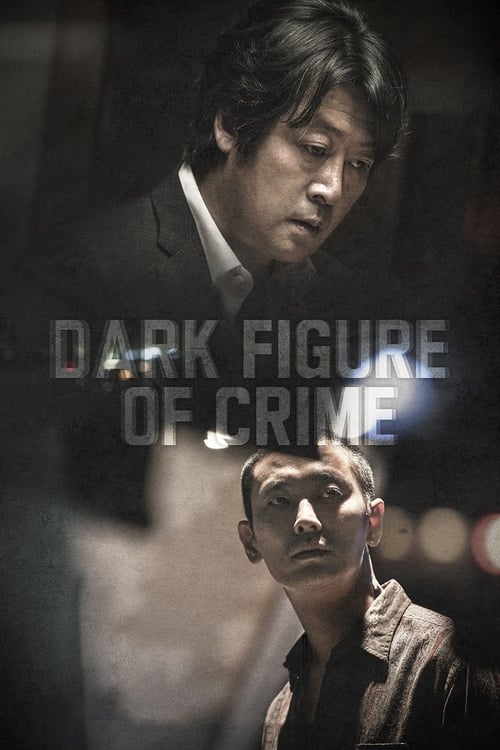
Dark Figure of Crime
2018
No user ratings available yet
Representation score: 3.2 out of 10
Representation Score
Fair
2015
Not RatedDirector
Kwak Kyung-taek
Runtime
108 minutes
Average Rating
No ratings yetNew Showbiz Analysis
The film stands out by disrupting the typical crime drama monopoly on truth. By elevating a fortune teller to a position of essential ability to act alongside state authority, the narrative values decentralized power and diverse ways of knowing. While the film succeeds in offering a non-Western perspective and challenging institutional norms, it remains limited in its representation of underrepresented identities. The focus stays strictly within the bounds of a procedural investigation, exploring how truth exists outside of official bureaucracy.
Category Breakdown
The film follows a standard procedural format centered around a detective and a shaman. It does not explicitly explore queer identity or LGBTQ+ character arcs within the plot.
The narrative challenges traditional investigative hierarchies by pairing a state detective with a fortune teller. This partnership balances masculine-coded authority with intuitive, non-traditional perspectives.
As a South Korean production, the film provides a culturally specific perspective. It centers East Asian social structures and local realities rather than a Western lens.
The story prioritizes spiritual and intuitive knowledge over rigid state bureaucracy. It uses a true story to critique institutional rigidity through unconventional social practices.
The film focuses on the trauma of kidnapping. It does not portray characters with disabilities with specific ability to act.
Present on Screen
Limited or Absent
Official Synopsis
A detective and a fortune teller join forces to find a kidnapped child whom no one expects to be alive. Based on a true story.
2018

2011

2011

2017

2021
2013
2020
2015
No reviews yet. Be the first to share your thoughts on this movie!
Use the rating form above to leave a star rating and optional review.