
The Voyeur
1977
No user ratings available yet
Representation score: 2.9 out of 10

Representation Score
Limited
1996
RDirector
Paul Thomas
Runtime
84 minutes
Average Rating
No ratings yetNew Showbiz Analysis
Other Men's Wives is a character-driven study focused on individual transgressions within the context of marriage. The narrative challenges the sanctity of the traditional family unit by exploring infidelity and domestic dissatisfaction. However, the film does not address broader multi-layered identities beyond straight-centered dynamics. It operates within conventional social frameworks, focusing on a narrow exploration of desire and domestic issues. The work offers minor subversions of domestic stability but fails to engage with diverse racial, cultural, or LGBTQ+ perspectives.
Category Breakdown
The film focuses solely on heterosexual relationships and does not include any non-cisgender identities or same-sex intimacy. There is no representation of LGBTQ+ characters or themes.
The film portrays active female desire through unsatisfied wives, but the central conflict is driven by a male protagonist's obsession. The depiction of jealous husbands aligns with traditional masculine responses.
The narrative centers on interpersonal domestic drama within a specific social class. There is no indication of a diverse cast or characters representing multiple racial backgrounds.
The film examines moral ambiguity by focusing on a character who challenges traditional marital fidelity. It presents Western institutions as a backdrop for individual moral struggles.
The film does not provide any information about the inclusion or portrayal of characters with physical, sensory, or neurodivergent disabilities.
Present on Screen
Limited or Absent
Official Synopsis
Uncle Eddie writes children's books for a living. and he's very successful at it , but he's OBSESSED with women, and so little time is life's dilemma for him. Needless to say this leads to numerous close calls with jealous husbands and tight squeezes with flirtatious, unsatisfied wives.
1977
1939
1997
1989
1994

1999
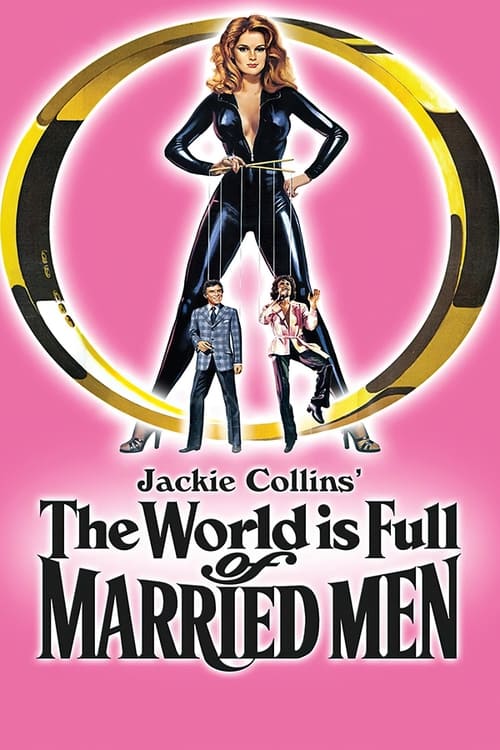
1979

2010
No reviews yet. Be the first to share your thoughts on this movie!
Use the rating form above to leave a star rating and optional review.