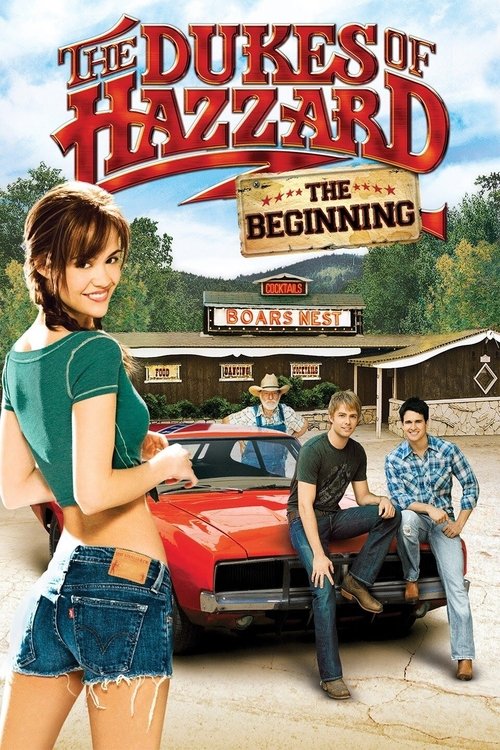
The Dukes of Hazzard: The Beginning
2007
No user ratings available yet
Representation score: 1.4 out of 10
Representation Score
Minimal
1997
PGDirector
Lewis Teague
Runtime
90 minutes
Average Rating
No ratings yetNew Showbiz Analysis
The film functions as a traditional genre piece that prioritizes established social archetypes and regional clichés. It operates within a conservative framework of small-town justice and family preservation. While the narrative critiques institutional authority, it does so to protect traditional property rather than to promote systemic change. The storytelling reinforces conventional hierarchies regarding gender and race. Ultimately, the work lacks the intentionality needed to disrupt traditional social structures, opting instead for a familiar, localized approach to conflict and characterization.
Category Breakdown
The film does not include any LGBTQ+ characters or explore non-heterosexual relationships. It focuses on traditional heterosexual relationships without any queer subtext.
The story follows a patriarchal structure where men primarily drive the action. Daisy Duke's role aligns with traditional gender stereotypes rather than challenging gender hierarchies.
The cast is predominantly white, reflecting a homogeneous depiction of rural Georgia. There is a lack of diverse characters with multi-layered backgrounds or those having significant influence in the main plot.
The story presents conflict as a struggle between local heritage and external commercial interests. It portrays local institutions as corrupt, favoring vigilante actions to protect family interests.
The film does not represent any visible or invisible disabilities. Characters are shown through a lens of able-bodied action and physical prowess.
Present on Screen
Limited or Absent
Official Synopsis
Mama Josephine Max wants to build a theme park in Hazzard, right on the Duke family farm! To stop her, Bo and Luke have to win a cross-country moonshine race. Because that's how things get settled in Hazzard.
2007
1973
2000
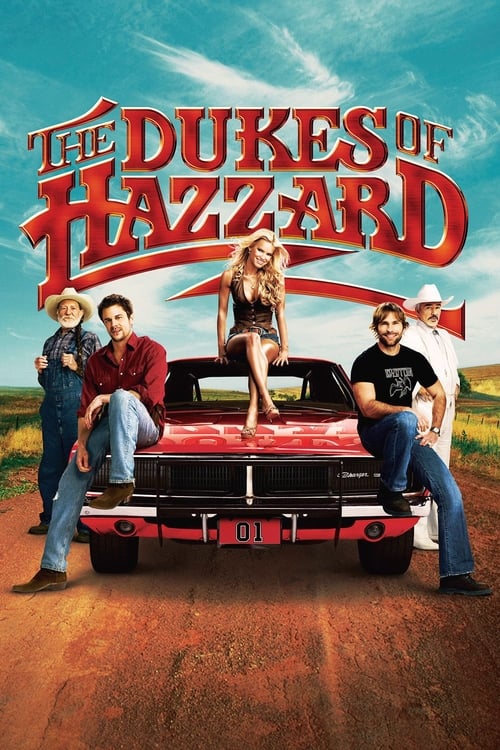
2005
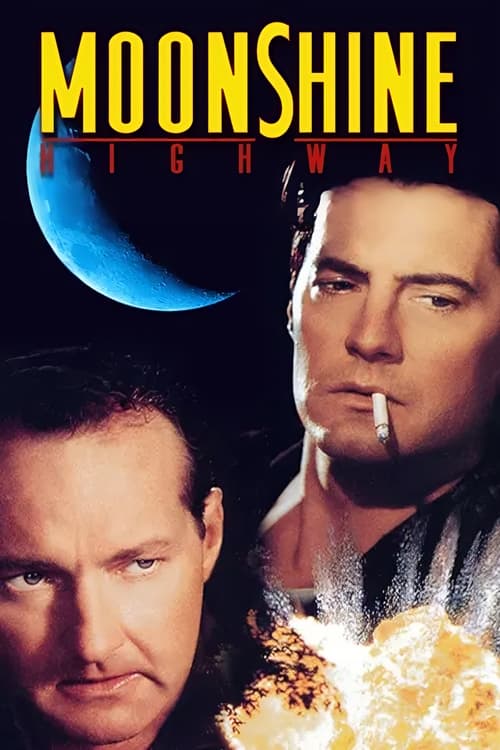
1996

1990
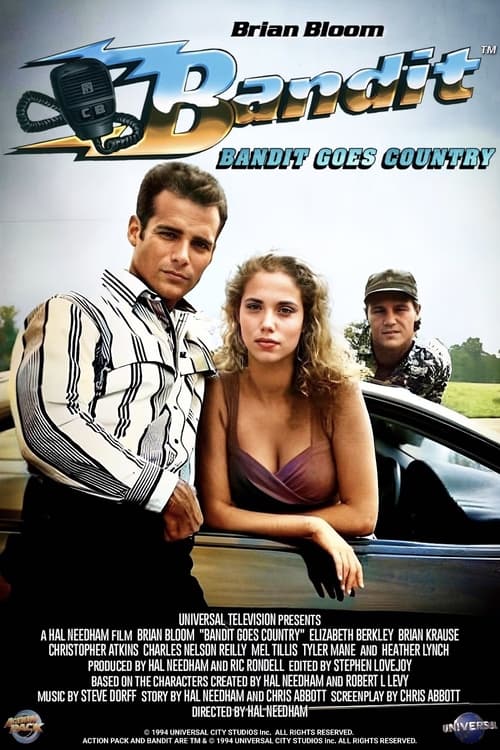
1994
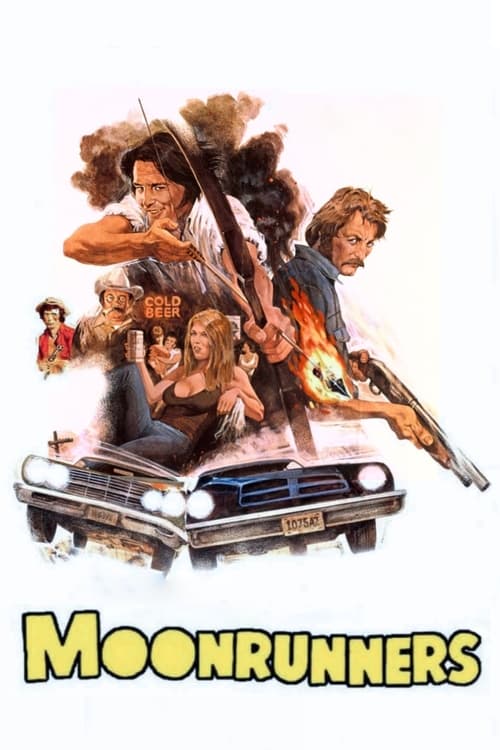
1975
No reviews yet. Be the first to share your thoughts on this movie!
Use the rating form above to leave a star rating and optional review.