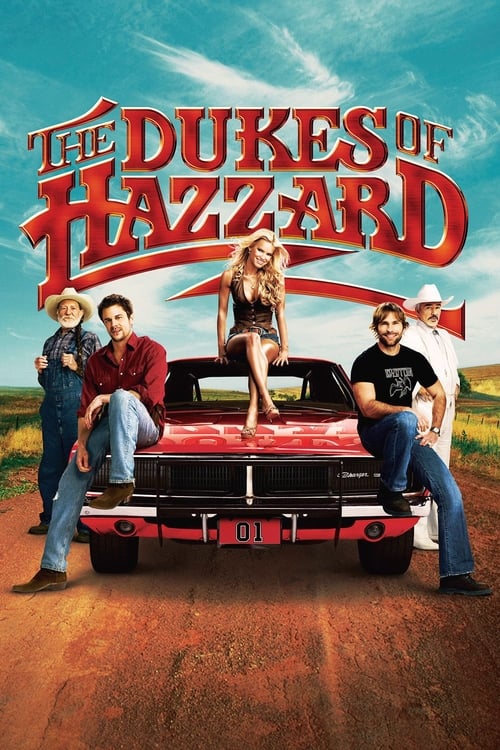
The Dukes of Hazzard
2005
No user ratings available yet
Representation score: 1.4 out of 10
Representation Score
Minimal
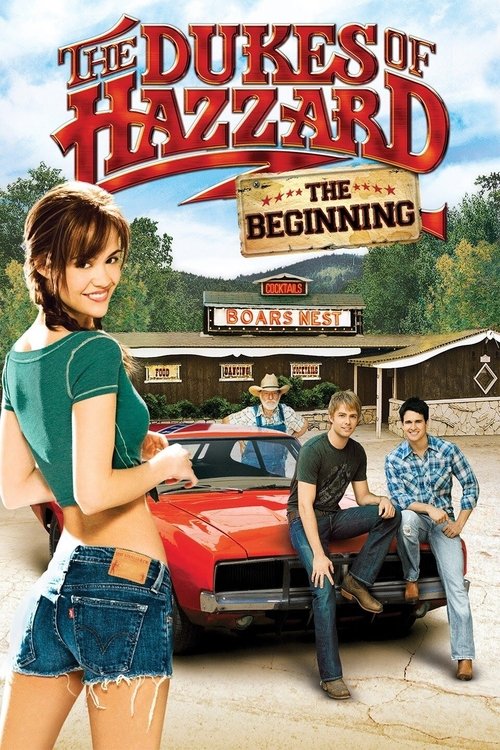
2007
RDirector
Robert Berlinger
Runtime
95 minutes
Average Rating
No ratings yetNew Showbiz Analysis
The film operates as a traditional narrative that reinforces established social hierarchies. It prioritizes conventional family structures and historical clichés of the American South, avoiding an multi-layered perspective. character's ability to drive the story is heavily centered around male leads, emphasizing a patriarchal hierarchy. This approach maintains a standard action-comedy framework that avoids disrupting social norms. The setting and themes lean into a homogeneous view of rural life. By focusing on the preservation of local heritage and property, the film aligns with traditionalist values rather than progressive social critiques.
Category Breakdown
The film centers on traditional rural dynamics and familial bonds. It does not depict any non-conforming gender identities or narratives that challenge the assumption that everyone is straight or cisgender.
A male-dominated hierarchy drives the main conflict and key actions. While Daisy Duke is a central character, the story relies on traditional gender roles typical of action-comedies.
The narrative is set in a historically homogeneous Southern American context. It leans towards a traditional depiction of rural Americana without evidence of a diverse cast.
The plot emphasizes the sanctity of the family farm and local heritage. It prioritizes conservative themes of localism and traditionalist values over critiques of Western institutions.
The film provides no information regarding characters with visible or invisible disabilities.
Present on Screen
Limited or Absent
Official Synopsis
When mischievous teenaged cousins Bo and Luke Duke are arrested, both boys are paroled to the care of their Uncle Jesse in Hazzard, sentenced to a summer of hard work. It's not long before the Duke boys learn of Boss Hogg's plans to foreclose on Uncle Jesse's farm. Together, with help from their cousin Daisy, Bo and Luke vow to save the family's property and its storied history of producing the best moonshine in all of Hazzard.
2005
1974
2007
2008
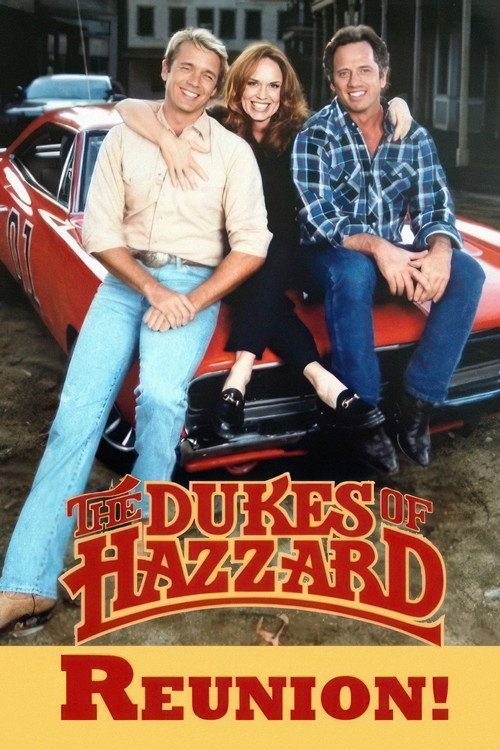
1997
1985
1977
1972
No reviews yet. Be the first to share your thoughts on this movie!
Use the rating form above to leave a star rating and optional review.