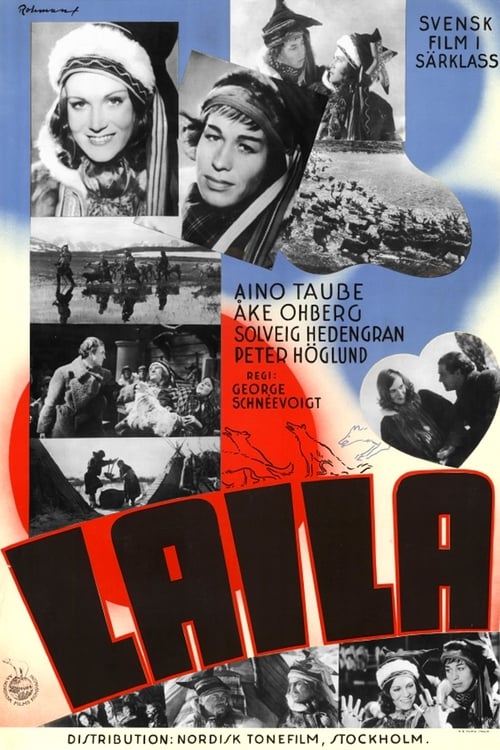
Laila
1937
No user ratings available yet
Representation score: 3.7 out of 10
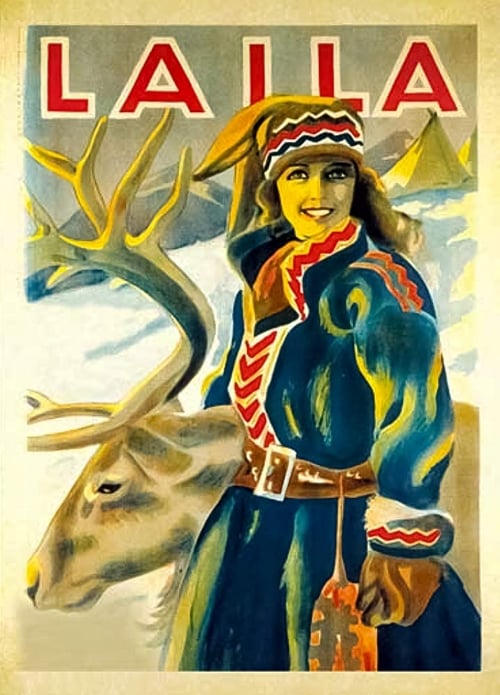
Representation Score
Limited
1929
Director
George Schnéevoigt
Runtime
165 minutes
Average Rating
No ratings yetNew Showbiz Analysis
Laila stands out for its inclusion of the Sámi people, providing a level of ethnic ability to act rarely seen in 1920s European cinema. The presence of a prominent indigenous character like Jaampa moves the story beyond purely Anglo-centric perspectives. However, the film remains tied to the social and gender hierarchies of its time. The narrative structure favors traditional family structures and romantic clichés, offering little in the way of systemic critique or diverse representation. Ultimately, while the ethnic representation is a significant strength, the lack of progressive gender or LGBTQ+ dynamics keeps the overall diversity score moderate.
Category Breakdown
The film centers on themes of family lineage and romantic drama. It does not include any characters with non-cisgender identities or same-sex relationships, sticking to the assumption that everyone is straight and cisgender.
The story revolves around traditional maternal and paternal roles within a family unit. While Laila is a key figure, the film does not challenge conventional gender hierarchies.
The narrative includes the Sámi community meaningfully, with Jaampa playing a prominent role that offers ethnic ability to act and breaks from the era's typical homogeneous European storytelling.
The film follows a classic dramatic arc of loss and displacement. It does not feature explicit anti-Western or secularist narratives, instead upholding traditional views of social order and destiny.
There are no visible or invisible disabilities that play a central role in the character arcs or the plot progression.
Present on Screen
Limited or Absent
Official Synopsis
Ranged across several generations, the story begins with a wealthy merchant, Lind, and his wife travelling in the coldest depths of winter to christen their baby daughter. Attacked by wolves, they lose the baby, which is found by the Lapp Jaampa (a dominating performance by Tryggve Larssen) and subsequently raised by a rich reindeer herder,
1937

1946

1973
1920
1939

1951
1925

1926
No reviews yet. Be the first to share your thoughts on this movie!
Use the rating form above to leave a star rating and optional review.