Robots
2005
No user ratings available yet
Representation score: 7.5 out of 10
Representation Score
Good
2021
PGDirector
Sarah Smith, Jean-Philippe Vine
Runtime
107 minutes
Average Rating
No ratings yetNew Showbiz Analysis
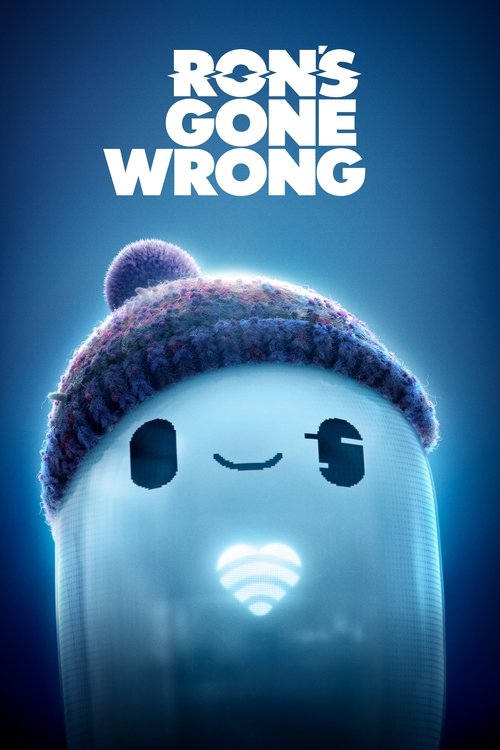
Ron's Gone Wrong is a sophisticated postmodern critique of digital connectivity. It excels at deconstructing corporate hegemony and celebrating non-conformity through its central metaphor of a 'glitched' robot. While the film's demographic representation is moderate, its thematic structure is highly progressive. It explores how modern institutions and digital ecosystems shape individual identity and social cohesion. The film effectively uses a non-human entity to explore the value of existing outside standardized societal expectations, even if its human character diversity remains somewhat surface-level.
Category Breakdown
The story focuses on the friendship between a boy and his robot, without prominently featuring LGBTQ+ characters or queer relationships. It stays within traditional social dynamics.
The narrative centers on a male protagonist navigating social hierarchies. There are no complex female roles that significantly drive the story forward.
A diverse group of children reflects a multicultural suburban setting. Their representation is realistic but does not delve deeply into multiple aspects of identity.
The film sharply critiques late-stage capitalism and the attention economy. Tech corporations are portrayed as systemic antagonists prioritizing profit over genuine human connection.
The robot Ron’s glitches serve as a metaphor for neurodivergence. His struggles with programmed social norms mirror the experiences of those who process information differently.
Present on Screen
Limited or Absent
Official Synopsis
In a world where walking, talking, digitally connected bots have become children's best friends, an 11-year-old finds that his robot buddy doesn't quite work the same as the others do.
2005
2005
2018
2019
2017
2001

2021
2007
No reviews yet. Be the first to share your thoughts on this movie!
Use the rating form above to leave a star rating and optional review.