Malady of Love
1987
No user ratings available yet
Representation score: 3.4 out of 10
Representation Score
Good
1976
Director
Jean-Louis Bertuccelli
Runtime
100 minutes
Average Rating
No ratings yetNew Showbiz Analysis
The film excels as a character study that challenges traditional gender hierarchies. By centering a female professional with significant influence, it moves away from mid-century domestic clichés. The narrative also provides a nuanced look at the breakdown of the idealized nuclear family. However, the film lacks breadth in terms of racial and LGBTQ+ representation. The cast appears homogeneous, and the story does not explicitly center on queer identities, focusing instead on infidelity within a heterosexual context. Ultimately, the work is a realistic exploration of professional identity and personal crisis, though it remains rooted in a specific European demographic and traditional dramatic realism.
Category Breakdown
The film centers on an extramarital affair, challenging the idea that romantic relationships are confined to sanctioned marriages. Though it doesn't explicitly feature LGBTQ+ identities, it explores the flexibility of romantic attachments beyond traditional marriage.
Françoise is a high-functioning professional whose career autonomy drives the plot. The narrative deconstructs the submissive matriarch stereotype by highlighting the tension between her professional success and domestic responsibilities.
The cast reflects a relatively homogeneous European demographic typical of 1970s French cinema. The story focuses on class and professional status rather than ethnic or racial diversity.
The film critiques the sanctity of the nuclear family by depicting a household in disarray. It favors individual experience and moral relativism over rigid social or religious morality.
A cancer diagnosis serves as a central plot element. Françoise is portrayed as an active participant in navigating her mortality rather than a passive victim of her illness.
Present on Screen
Limited or Absent
Official Synopsis
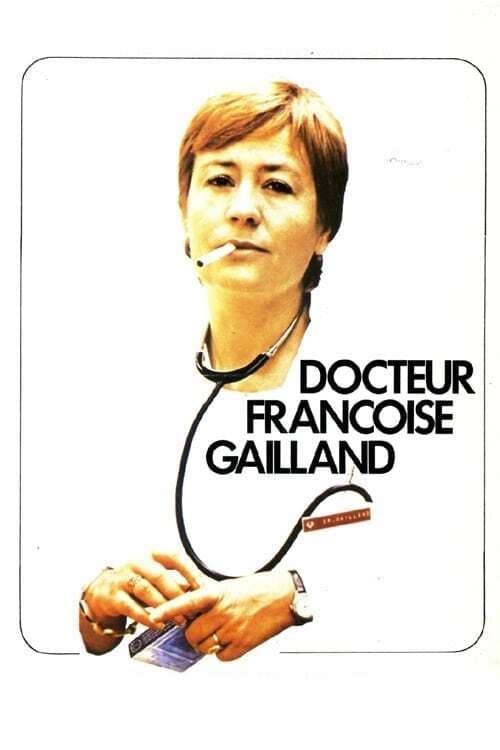
Dr. Françoise Gailland has a hectic schedule, which causes her to have little time to spend with her family, which consists of her husband Gérard, her pregnant teenager daughter Élisabeth, and her sullen son Julien. However, she does manage to find the time to spend with her lover, Daniel Letessier. While her life in such disarray, she learns that she has cancer. Françoise tries to put a brave face on it, and is determined to face the life-threatening disease with courage.
1987
1970

2007

2008

1999
1993

1976

2001
No reviews yet. Be the first to share your thoughts on this movie!
Use the rating form above to leave a star rating and optional review.