Oui
1996
No user ratings available yet
Representation score: 5.2 out of 10
Representation Score
Limited
1985
Director
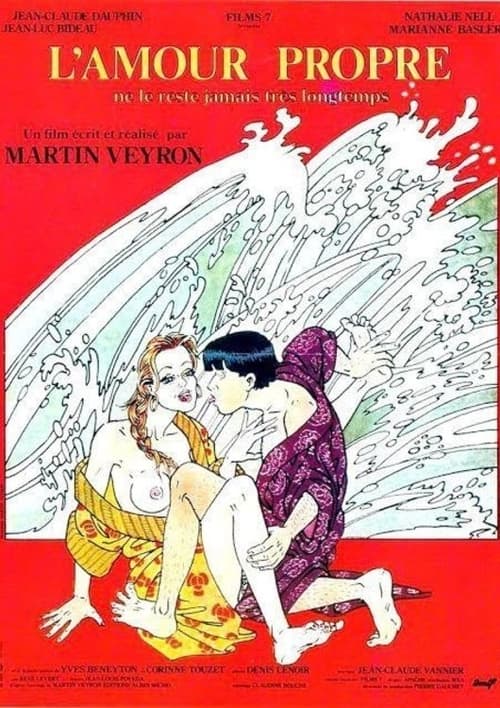
Martin Veyron
Runtime
85 minutes
Average Rating
No ratings yetNew Showbiz Analysis
This sex farce offers a unique twist on gendered sexual dynamics by positioning the male protagonist as a learner of female pleasure. However, the film remains constrained by the cinematic conventions of its time, lacking racial and LGBTQ+ diversity. The narrative stays within a traditional framework focused on heterosexual relationships. Ultimately, the film's strength lies in its deconstruction of traditional romantic etiquette and its emphasis on women's ability to drive the story.
Category Breakdown
The film centers on heterosexual relationships and does not include any queer narratives or non-cisgender identities.
The movie challenges traditional gender roles by having the male lead learn about female pleasure. Rose plays a significant role in guiding the protagonist's journey.
The cast is predominantly European, typical of 1980s French comedy. There is no evidence of diverse casting or mixed racial backgrounds.
The film takes a secular approach to morality, focusing on personal sexual exploration rather than traditional social or religious institutions.
There is no mention of characters with visible or invisible disabilities in the narrative.
Present on Screen
Limited or Absent
Official Synopsis
In a routine sex farce, Gautier (Jean-Claude Dauphin) is a man determined to figure out how to give a woman an orgasm -- which of course requires a lot of practice and experimentation. His buddy Roussel (Jean-Luc Bideau) also chases after women but does not share Gautier's unique quest. Rose (Nathalie Nell) finds Gautier entrancing and devises a way to capture his heart while helping him on his search for the ultimate turn-on.
1996
1961
2001

1974
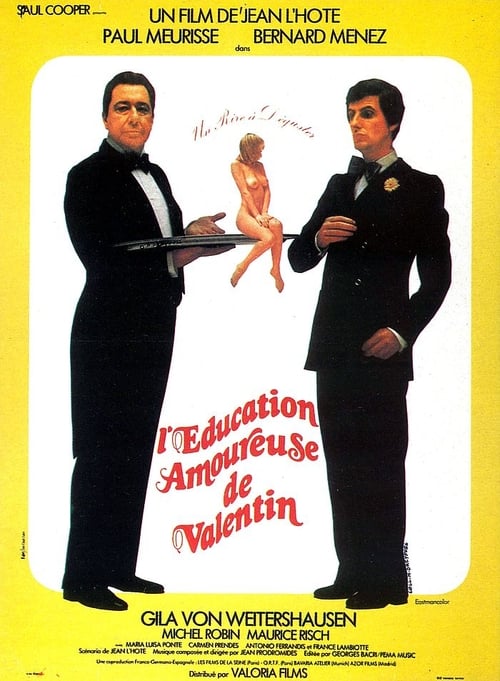
1976
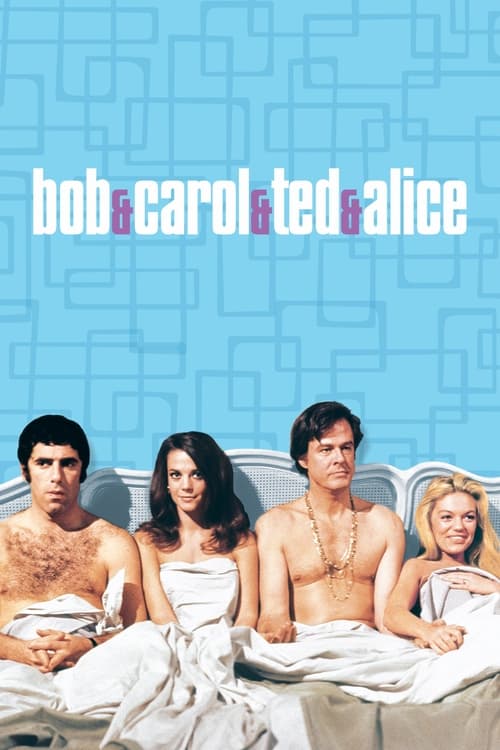
1969
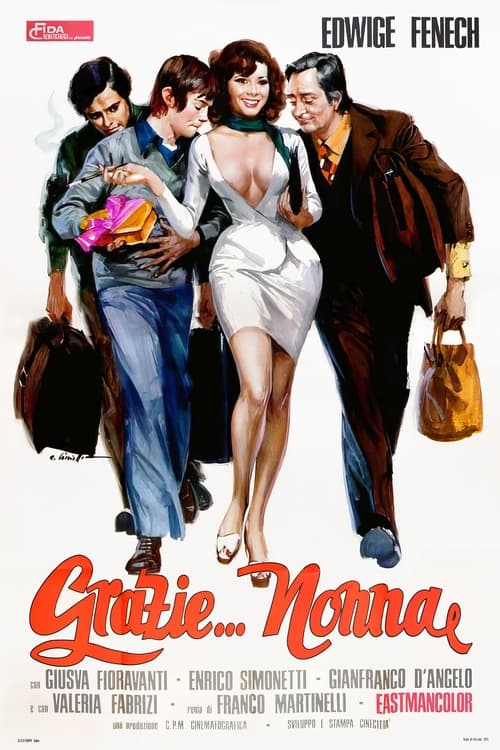
1975
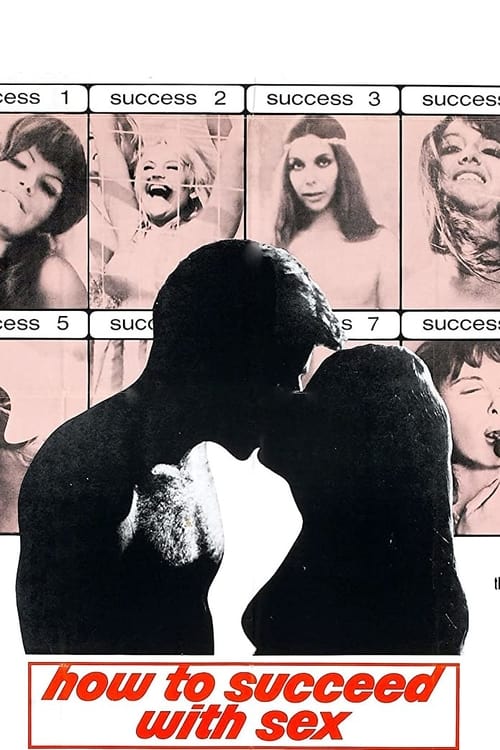
1970
No reviews yet. Be the first to share your thoughts on this movie!
Use the rating form above to leave a star rating and optional review.