
Crooks and Coronets
1969
No user ratings available yet
Diversity score: 1.8 out of 10
1960
Director
Axel von Ambesser
Runtime
95 minutes
Average Rating
No ratings yetSynopsis
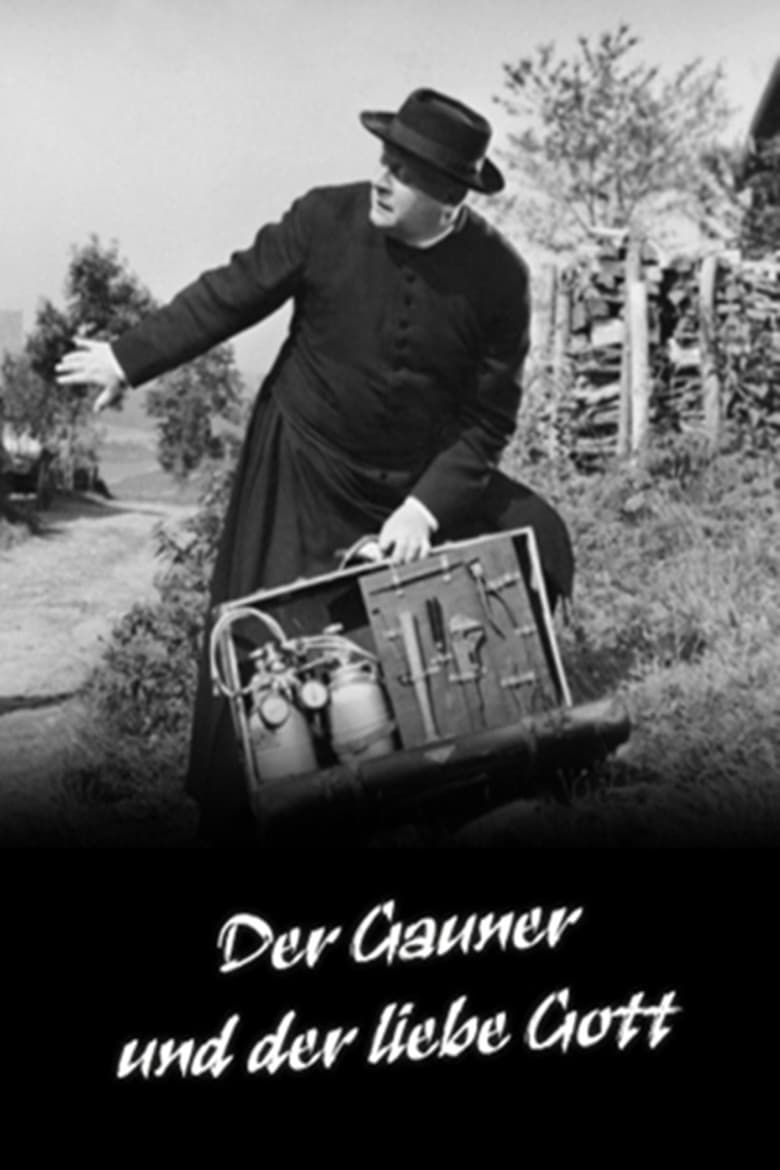
With the help of God, the loveable safecracker Paul Wittkowski – aka “Cracker-Paulie” – manages to escape the clutches of the cops. He dresses up as a priest and ends up in a village, whose pastor is in dispute with an influential businessman. To help the pastor and a young widow, Paulie has to use his own special abilities. This work leads him back to the path of righteousness. He contacts the police and, after serving his time, starts a new life with the widow.
Overall Score
Limited
Category Breakdown
LGBTQ+ Representation
The film adheres to heteronormative structures typical of mid-century cinema. It focuses on a heterosexual romantic resolution between the protagonist and a widow, with no same-sex intimacy present.
Gender Representation
Gender roles remain largely traditional. While female characters like the widow drive the protagonist's reformation, they primarily serve as catalysts for male development rather than autonomous agents.
Racial & Ethnic Diversity
The cast is ethnically homogeneous, reflecting the localized village setting and cinematic conventions of the era. There is no evidence of racial blending or color-blind casting.
Religious & Cultural Diversity
The narrative reinforces traditional Western values by emphasizing religious morality and legal order. It treats religious and legal institutions as stabilizing forces for social reintegration.
Disability Representation
There are no prominent depictions of physical or neurodivergent disabilities that serve as central character traits or drive the narrative forward.
Strengths
Areas for Improvement
AI Analysis
Axel von Ambesser’s comedy functions as a traditional moral fable centered on the redemption of a 'lovable rogue.' The story prioritizes the restoration of social and religious order, following a protagonist who moves from criminality toward alignment with established institutions. The film operates within a conventional framework that reinforces traditional hierarchies. Rather than challenging social norms, the narrative demonstrates the value of reintegrating into legal and familial structures to achieve character growth.
1969
1960
1950

1963
1962
1964
1956

1983
1962
1959
1967
1940
No reviews yet. Be the first to share your thoughts on this movie!
Use the rating form above to leave a star rating and optional review.