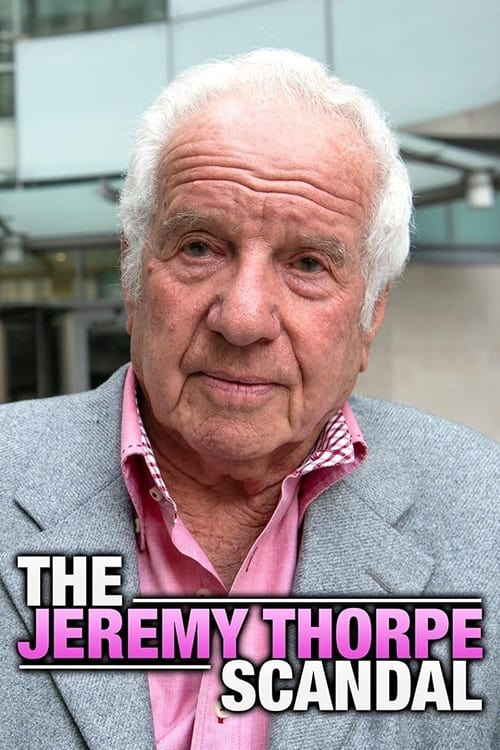
The Jeremy Thorpe Scandal
2018
No user ratings available yet
Representation score: 5.6 out of 10

Representation Score
Limited
1989
TV-14Director
Peter Orton
Runtime
65 minutes
Average Rating
No ratings yetNew Showbiz Analysis
This film serves as a historical examination of how personal relationships can undermine the perceived sanctity of the governing class. It prioritizes the dismantling of institutional authority over broad demographic representation, emphasizing the tension between private behavior and public integrity. Though the documentary lacks significant representation of LGBTQ+ identities and racial diversity, it achieves a moderate score by challenging traditional class and political hierarchies. The narrative centers on the intersection of political power and social instability. Ultimately, the work offers a specialized perspective on the vulnerability of the British political establishment during a time of significant demographic homogeneity.
Category Breakdown
The film focuses on a heterosexual relationship between John Profumo and Christine Keeler. There is no depiction of LGBTQ+ identities or narratives addressing non-cisgender experiences.
Christine Keeler plays a pivotal role in the crisis by challenging traditional power structures. However, the narrative emphasizes her professional impact rather than systemic empowerment.
The setting reflects the homogeneous demographics of the 1960s British political establishment, focusing on the Anglo-Saxon elite without addressing multi-ethnic perspectives.
The documentary highlights the vulnerability of Western institutions by showing the collapse of a minister's reputation. It portrays established political and social structures as susceptible to corruption and disruption.
The film does not include any characters with physical or neurodivergent disabilities.
Present on Screen
Limited or Absent
Official Synopsis
In Summer 1961, at a party held on the Cliveden estate of Lord Astor, Minister for War John Profumo met, and subsequently had a brief affair with, a call-girl by the name of Christine Keeler, who had also been seeing a Soviet diplomat. The rumours circulated throughout the following year, but the Fourth Estate was less inclined in those days to disturb the privacy of those at the top of the tree. Eventually, the story made the papers, and Profumo made a statement to the Commons, denying impropriety over his relationship with Keeler. Three months later he was back, confessing that he had misled the House, and he resigned as an MP. But that was only the start of it.
2018

1989

2013

2005
2003
2024

2018
2022
No reviews yet. Be the first to share your thoughts on this movie!
Use the rating form above to leave a star rating and optional review.